

How to Choose a Shape for Oboe Reeds
When looking for a new shape, a few basic principles can guide our choices. Whether we want a new sound or a different feel, understanding these principles makes selecting the right shape much easier. The overall width, curve, and certain key measurements influence the sound, intonation, and response. Combined with the appropriate staple and gouge, these factors lead to a reed that truly supports musical expression.
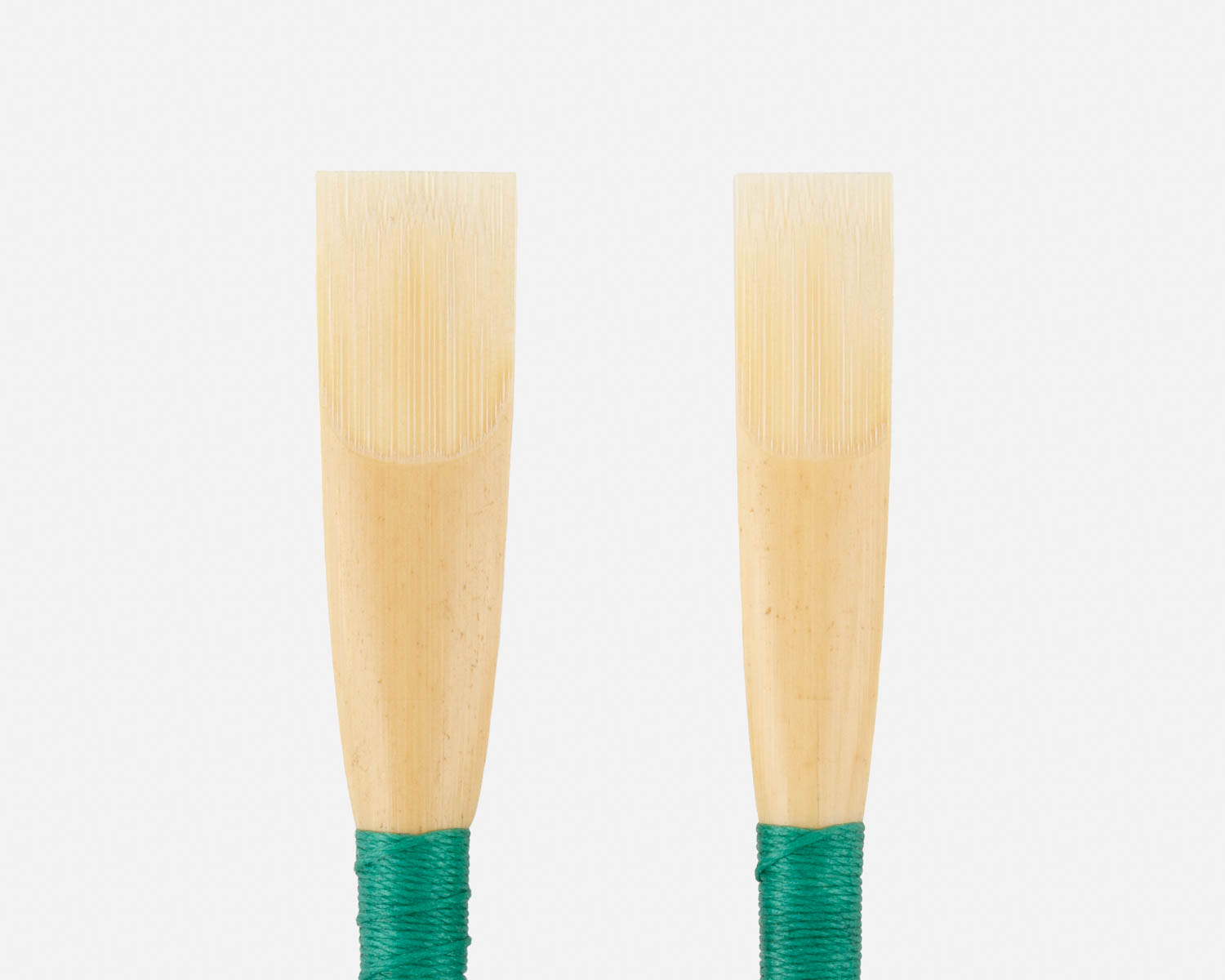
Overall Width
A wider shape will give us a warmer sound, easier response, and greater flexibility. It also lowers the pitch, with the strongest effect on A5.
On the other hand, a narrower shape will provide more focus and projection, although with less flexibility. It will raise the pitch as you go up the scale, reducing the C5–D5 distance.
The Tip
Several aspects of the tips of our reeds greatly influence our experience playing on them. This part of the reed influences the overall response as well as the upper register most directly.
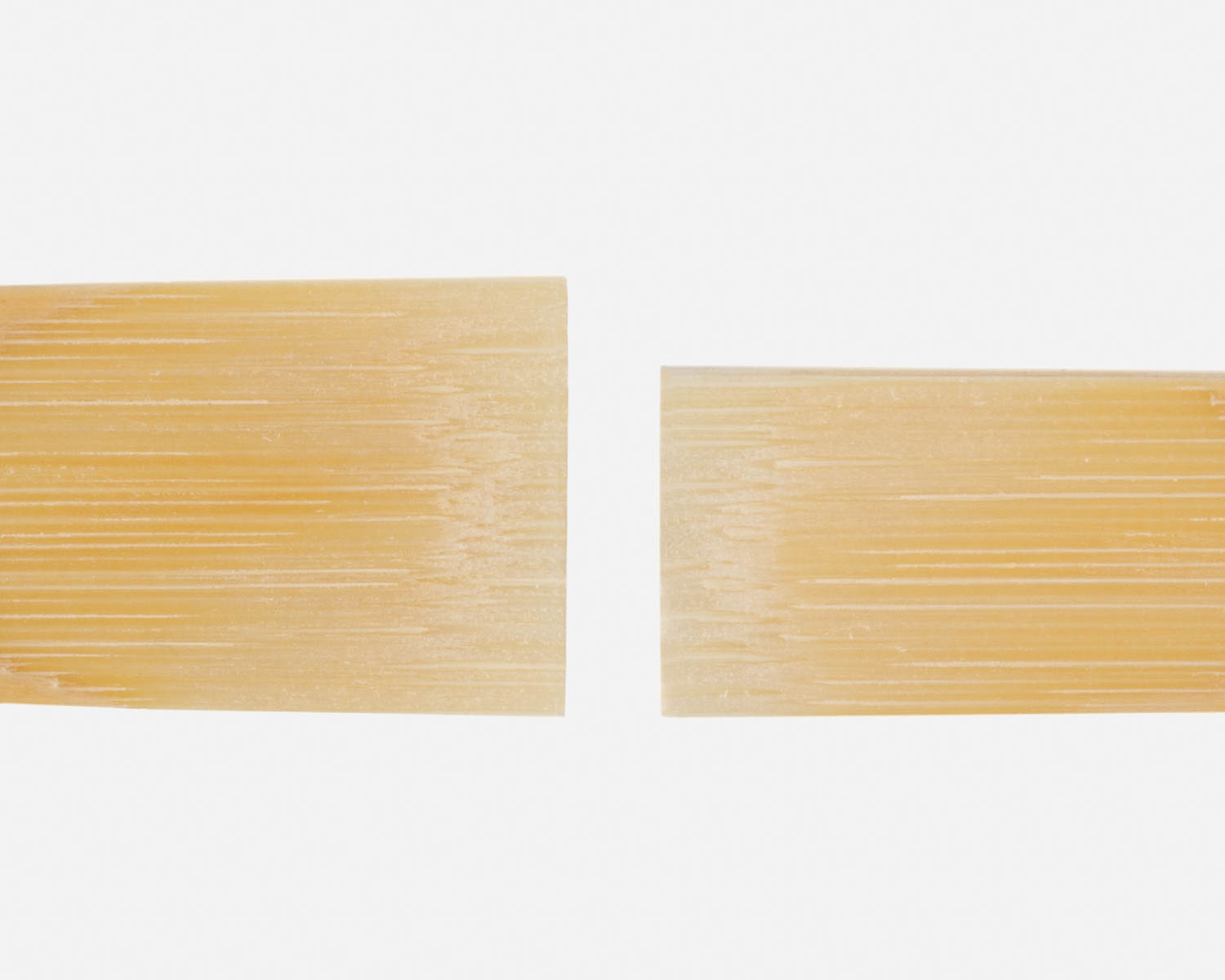
Tip Width
A wider tip will make articulation easier but may lower the pitch of A5 and B5. A narrower tip will provide more resistance and more focus of the tone in the upper register.
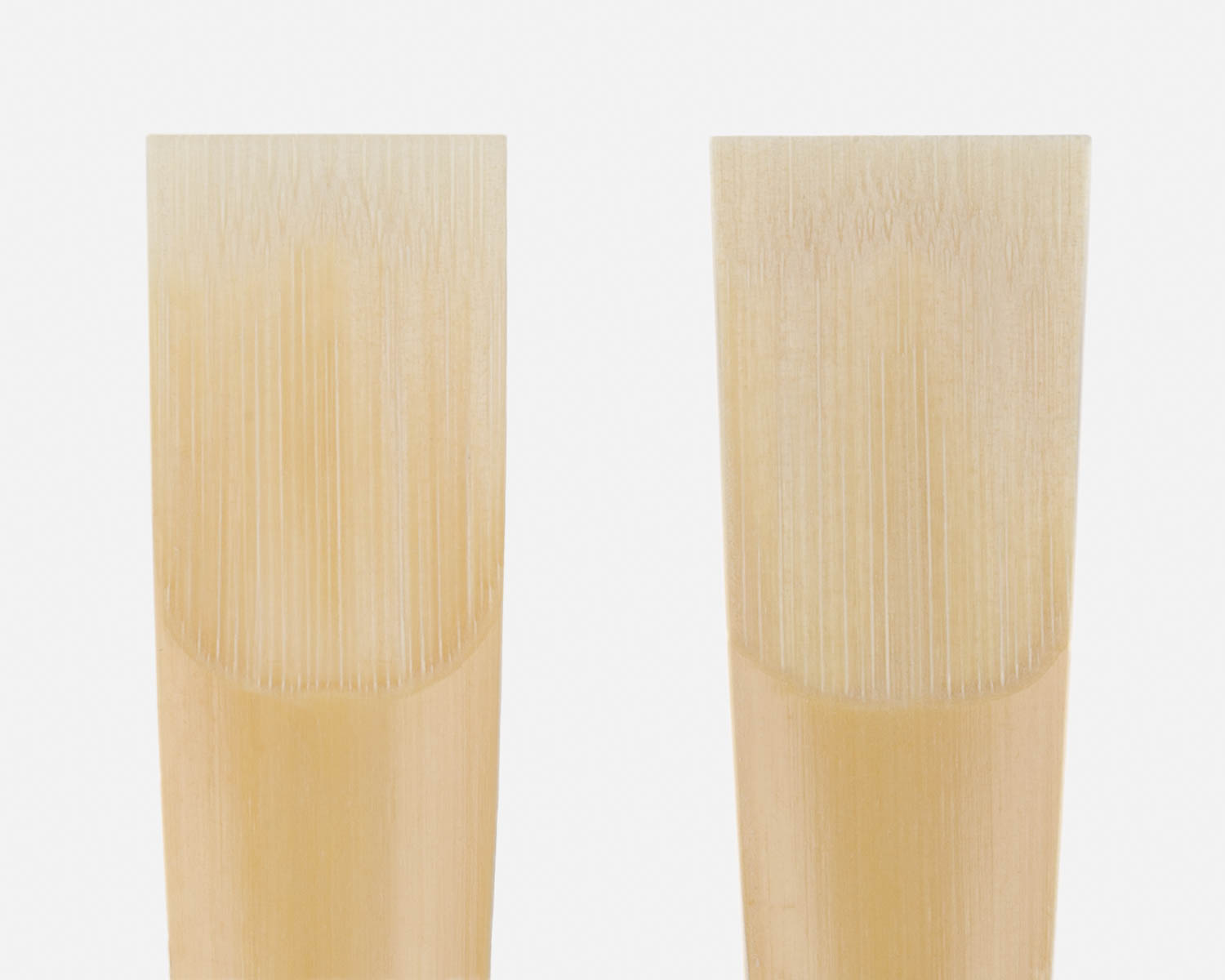
Tip Side Contour
The first 5 or 6 mm of the finished reed mainly affect the notes A5–C6. When the sides are parallel here, the reed maintains its opening better, giving more stability to the high notes and more focus to the sound. When the sides are tapered the opening of the reed is easier to control with the embouchure.
The Curve
How the reed is shaped behind the tip helps us control various aspects of our playing. Whether we are looking for a darker sound, or affect the intonation of certain registers, changes here will have the following effects.
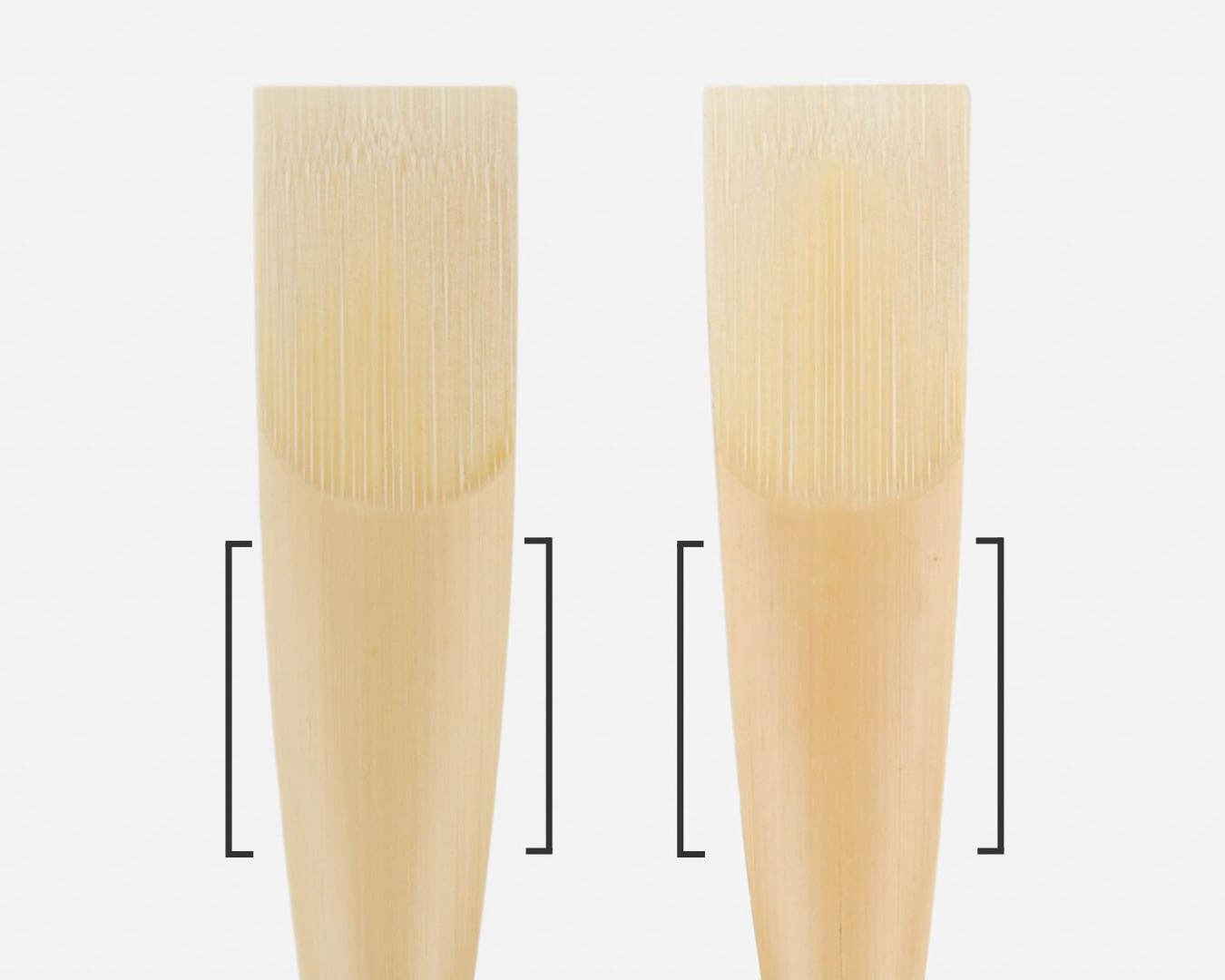
Belly Width
The measurements at 15 mm and 20 mm on the shaper measurement chart are especially important.
A wider shape in this area will give a darker and more resonant sound, lower the pitch of the middle register (especially F♯5 and G5), and open the reed.
Conversely, a narrower shape will close more and raise the pitch of the middle register.
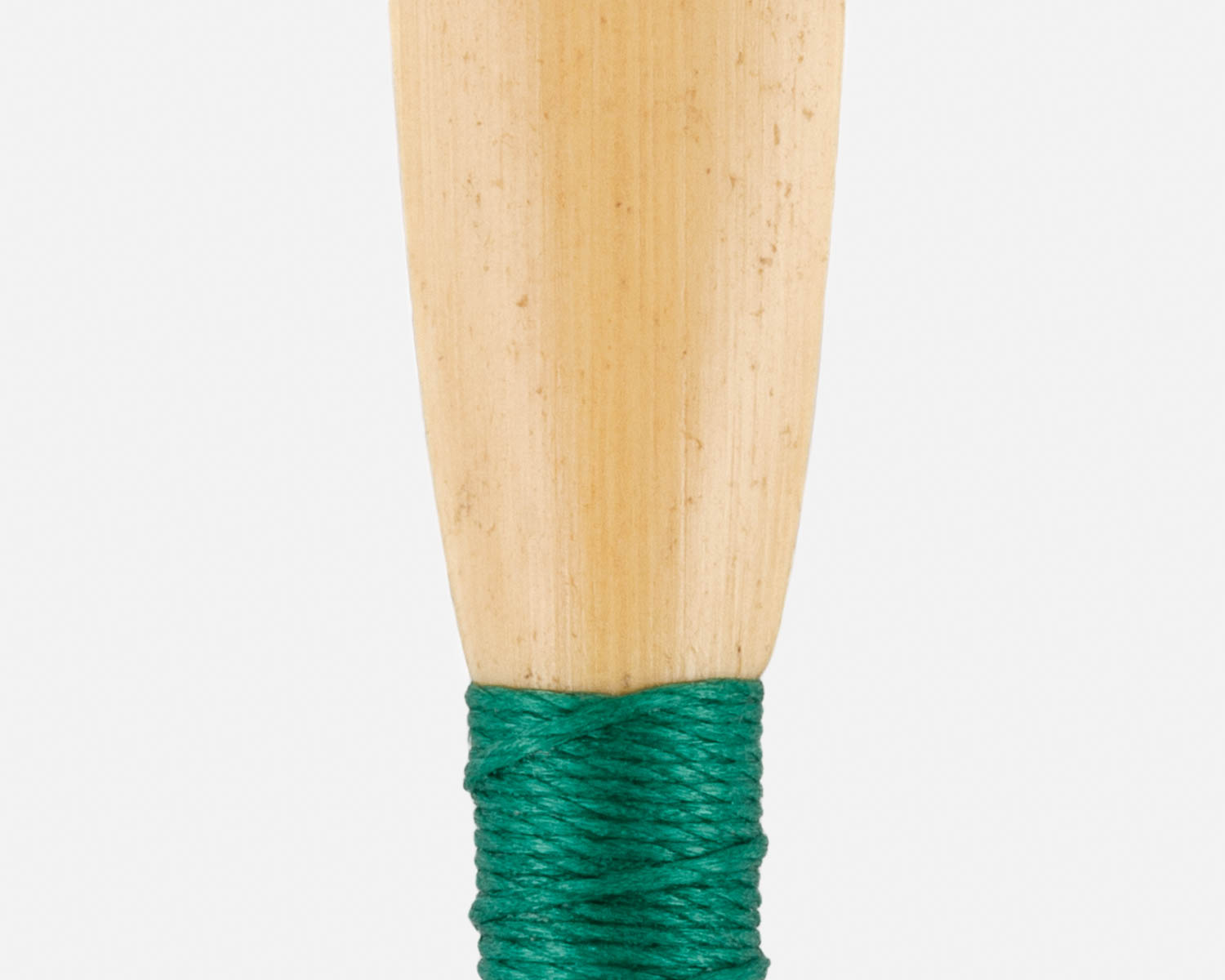
Throat Width
This area just above the thread mainly affects the highest notes of both octaves (B and C). If it is wider, these notes will go flat and the reed will be more open. If it is narrower, the opposite occurs.
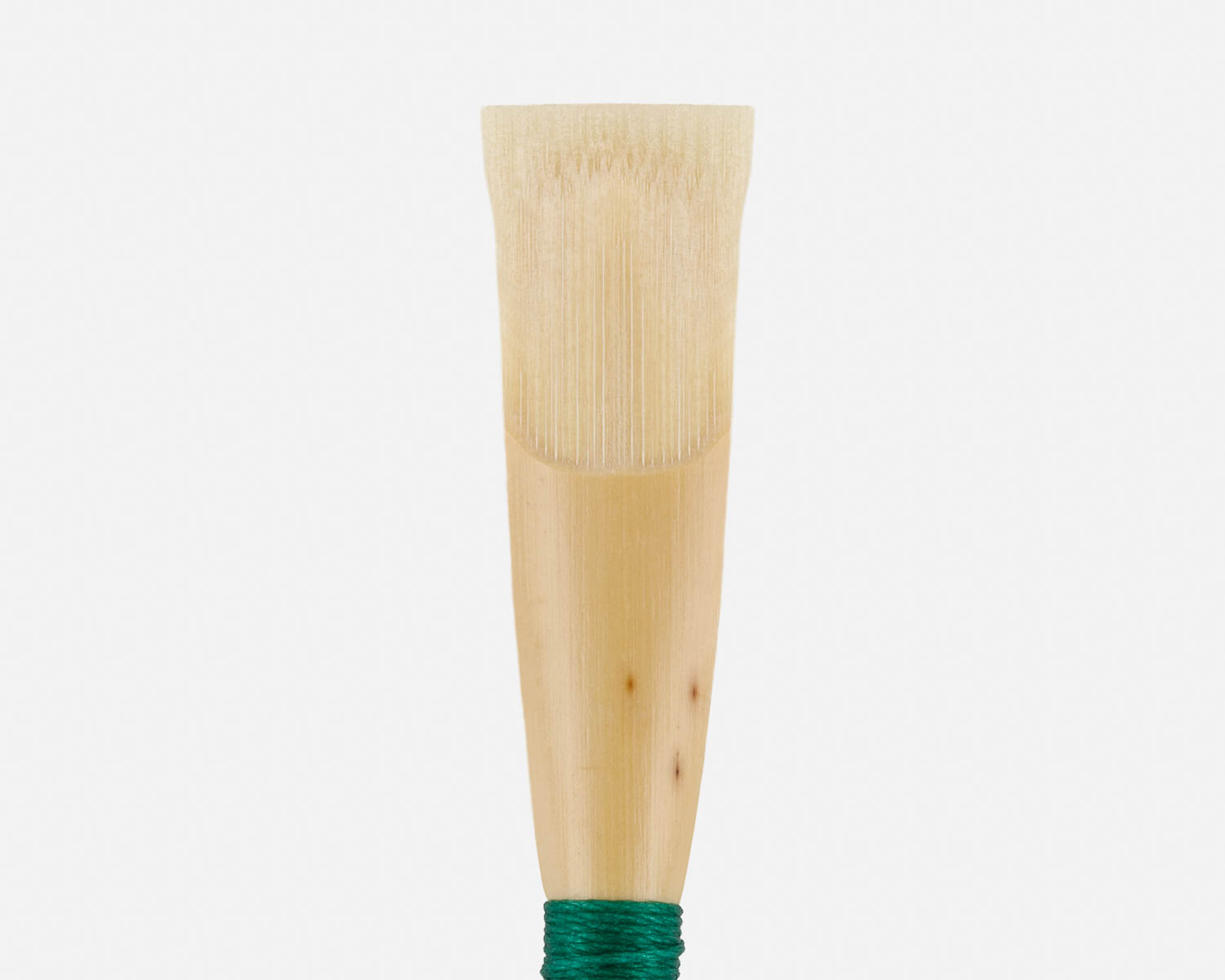
Ears
Some shapes reproduce the characteristic widening at the tip of traditional shapers. This can provide greater stability in the high register and make articulation easier. Albrecht Mayer’s shaper produces these “ears”. When the reed works well but is a bit softer than he needs, he easily removes them with a well‑sharpened blade.
May 6, 2026
Guide Oboe