

Death of a Reed with Dr. Brigit Pacher

Visiting Assistant Professor of Music at Lawrence University
Dr. Brigit Pacher is an award-winning artist teaching at Lawrence University and Conservatory in Appleton, Wisconsin. Emphasizing creativity and individualized instruction, she collaborates with students to inspire a lifelong commitment to learning and artistic growth as 21st-century musicians.
Her interdisciplinary background in mathematics and music inspired a passion for acoustics that informs her approach to the instrument, creation of applied musical acoustic coursework, and authorship of Foundations of Bassoon Intonation.
How does a reed die?
Put another way, what makes a reed lose that special magic that keeps us pulling it out of the reed case? Why does a reed inevitably find its way to the graveyard, wall test, or garbage bin? This article explores these questions from a physical and chemical perspective of what happens to a reed as it approaches the end of its playing career. In addition to providing an explanation of the “why” behind commonly experienced symptoms of reed degradation, this article supports having practical discussions of how we can delay these changes.
If you long to spend more time with the reeds you love, keep reading.
Physical Decay
There are two primary factors contributing to the physical decay of a reed:
1. - a diminishing capacity for the cane to absorb water
2. - an increase in mass from bacterial growth
Less water absorption
Have you observed that soaking a reed in water causes the tip to open? When the cane absorbs water, it swells and becomes more flexible. This increase in the cane’s size and ability to bend while still constrained by wires supports a wider tip opening with increased tension between the swelled blades. As the water evaporates, swelling decreases and flexibility diminishes, returning the reed to its dry state… almost.
This is an imprecise process, with structural changes occurring in the cane each time it undergoes a cycle of expansion and contraction. Evidence of this deformation is often observable in a dry reed’s newly asymmetrical tip. However, the more significant effect of cane’s repeated swelling to its fully expanded state is a loss of ability to reach peak absorption as the water-retaining structure degrades. In a fully soaked reed, decreased absorption can often be observed in loose wires, blades that may no longer fully meet on the sides, or a narrower tip opening. Pressure from the embouchure further contributes to the narrowing of the reed opening, which has significant effect on how the reed plays.
Together, these symptoms contribute to a reed to becoming sharp in pitch and unpredictable in response. Thankfully, there are actions that can be taken to help counteract the effects of diminishing water retention.
Longevity Tips:
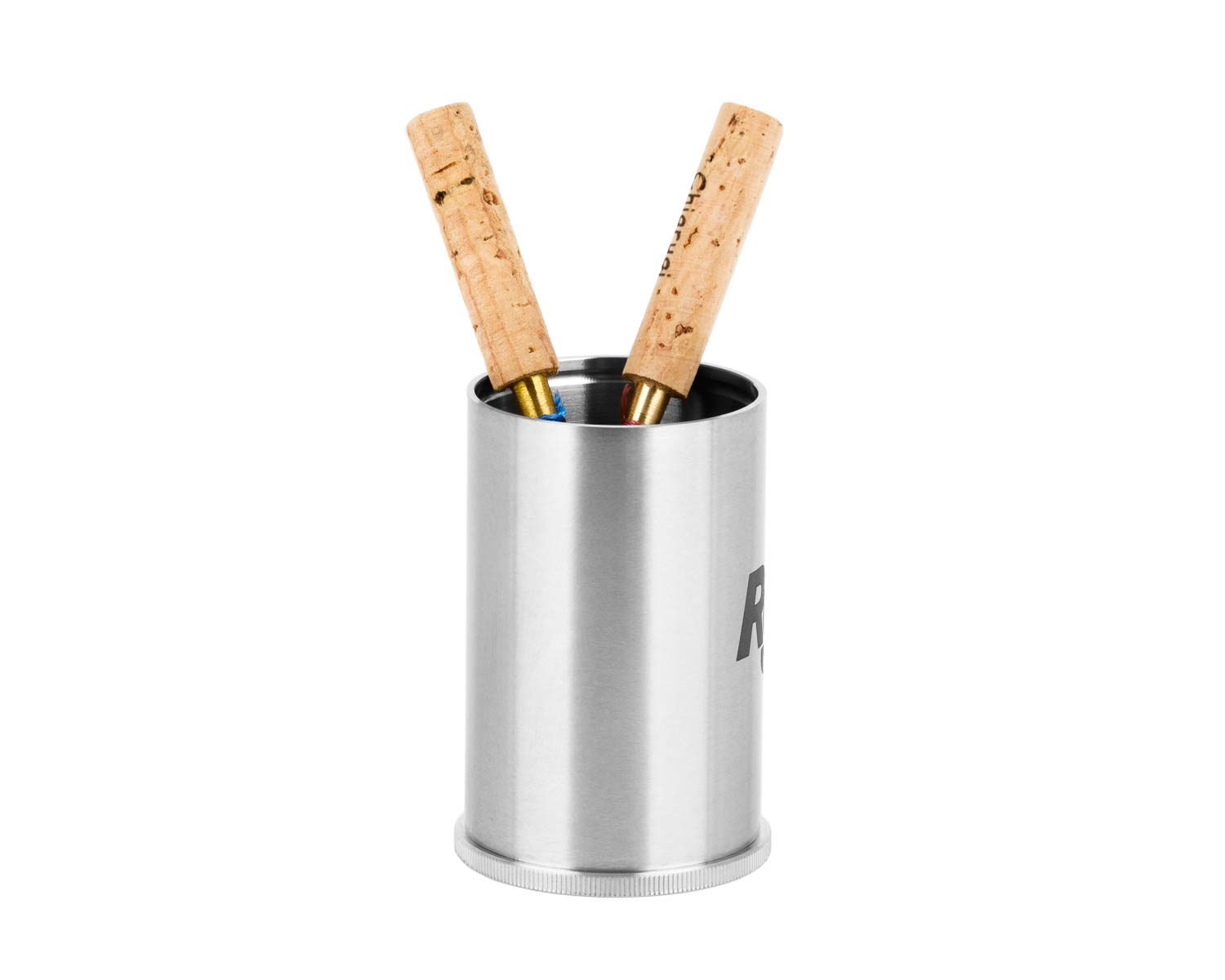
Minimize the number of swells and contractions a reed experiences. Soak only the reeds you want to use and consider using multiple reeds on rotation to extend the time between when they are soaked for use.
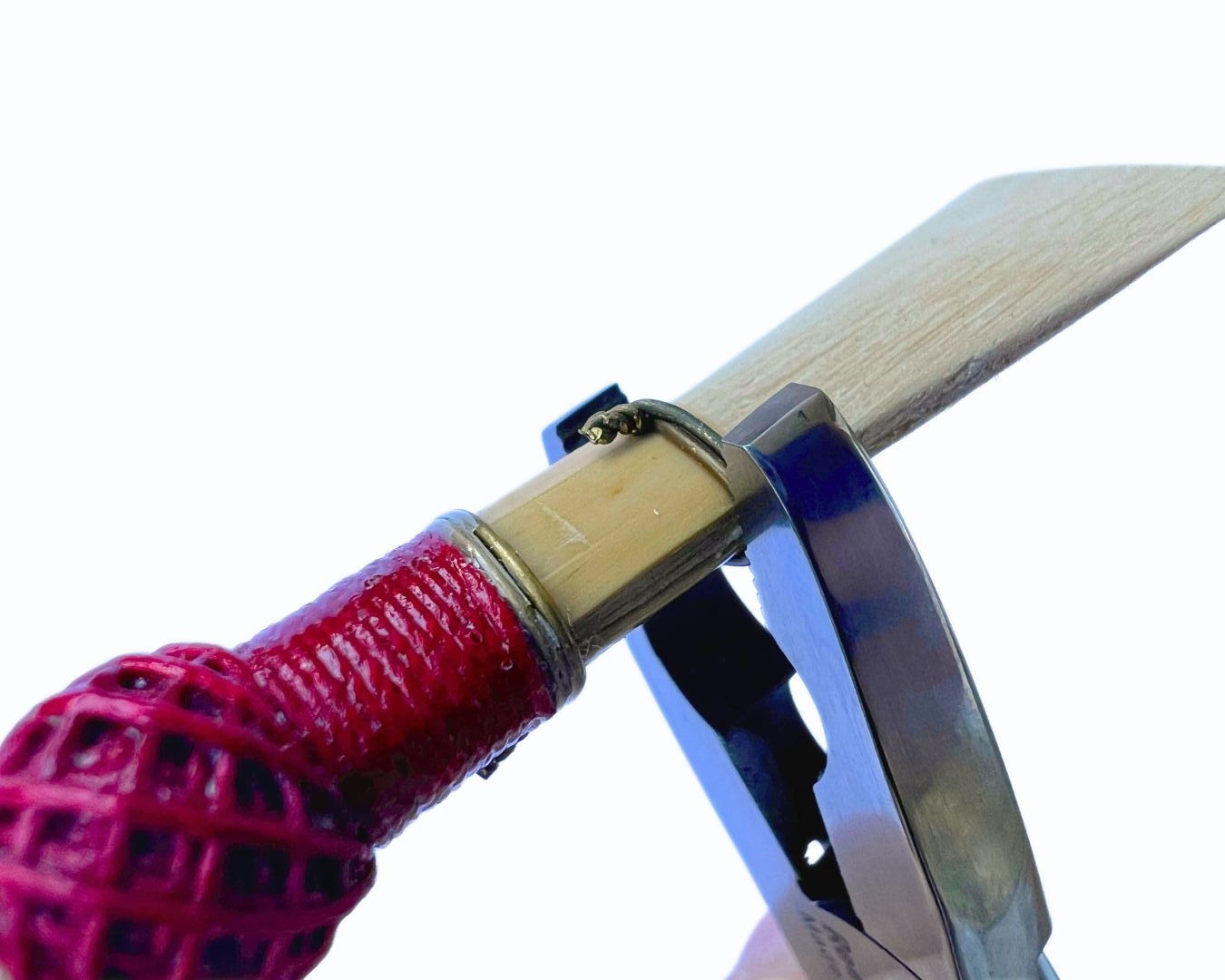
Open the tip throughout the reed’s life with minor wire adjustments. This can compensate for the gradual closing that comes with age (which you can now explain)! Although this adjustment helps maintain a familiar tip opening and shape, it will change how the reed plays. You may notice decreased embouchure control over the tip opening or response difficulties.
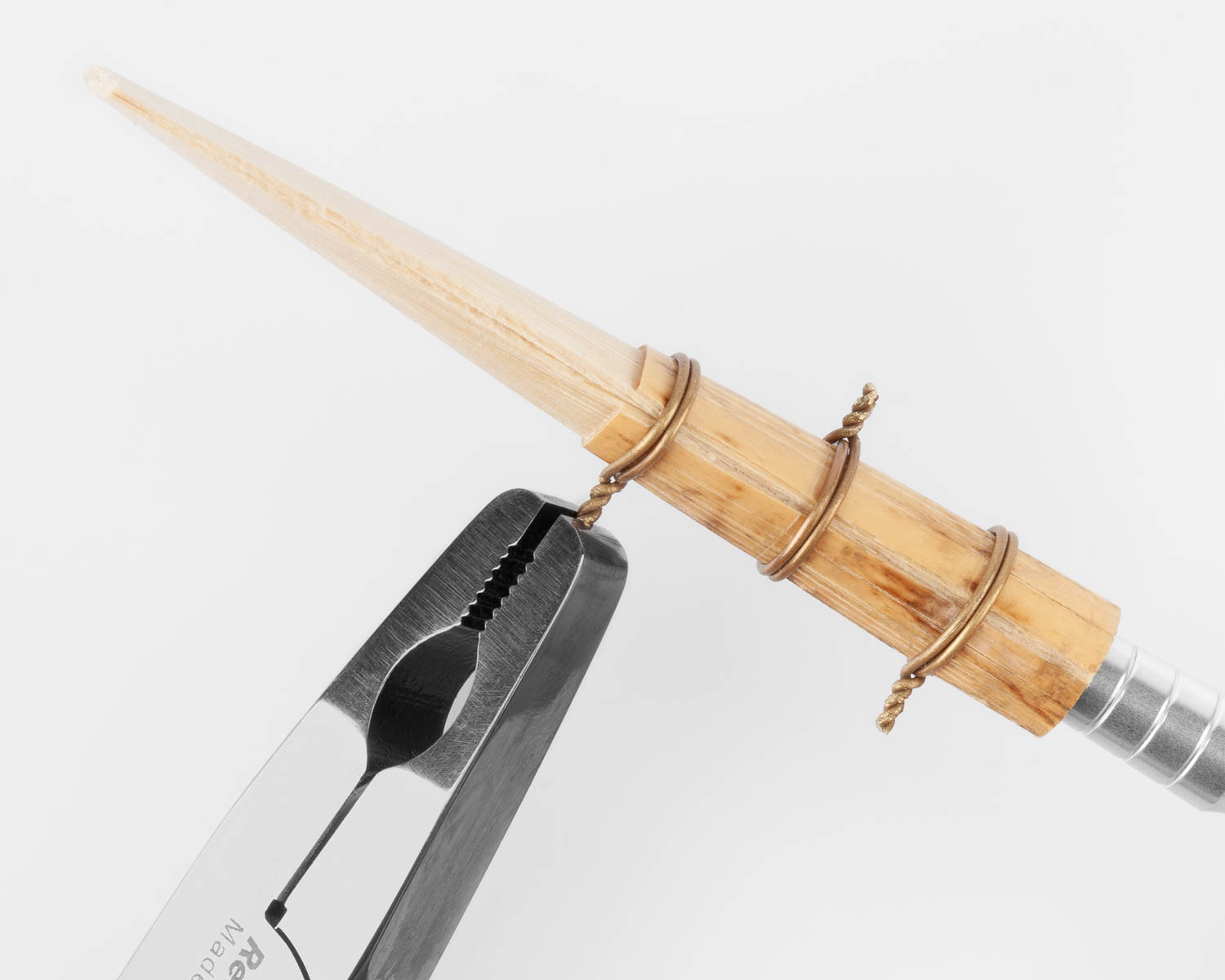
Slightly tighten loose wires when the reed is fully soaked. This can be tricky as overtightening dampens the desirable vibrations of a reed. However, tightening the wires no more than 180 degrees when they are loose can support consistency in the reed’s structure and vibration pattern.
Increased mass from bacterial growth
You may be surprised to read about bacteria in the “Physical Decay” section, but bacterial growth meaningfully changes the physical vibration of the reed. Although unpleasant to think about, the growth of a film of bacteria on the surface and within the porous reed blade is inevitable.
This addition of bacteria mass can alter the shape and density of the reed, relatively thickening portions of the blade with non-cane material. Small changes can have a large effect when working on the scale of nanometers and milligrams. Acting as a damper to vibration and flexibility, the bacterial growth also reduces the range of motion of the blade and requires greater input of energy for vibration to begin.
A reed with bacterial growth may experience response inconsistencies from the increased mass of the blade and unpredictably altered shape. It is likely to play sharp and to have a more muted, dampened, or less resonant sound than it once did. Thankfully, portions of this bacteria can be removed, and there are action steps to prevent abundant growth.
Longevity Tips:

Brush your teeth before you play and avoid eating or drinking anything other than water near to playing. This limits introducing materials to the cane that spark growth on the blade.
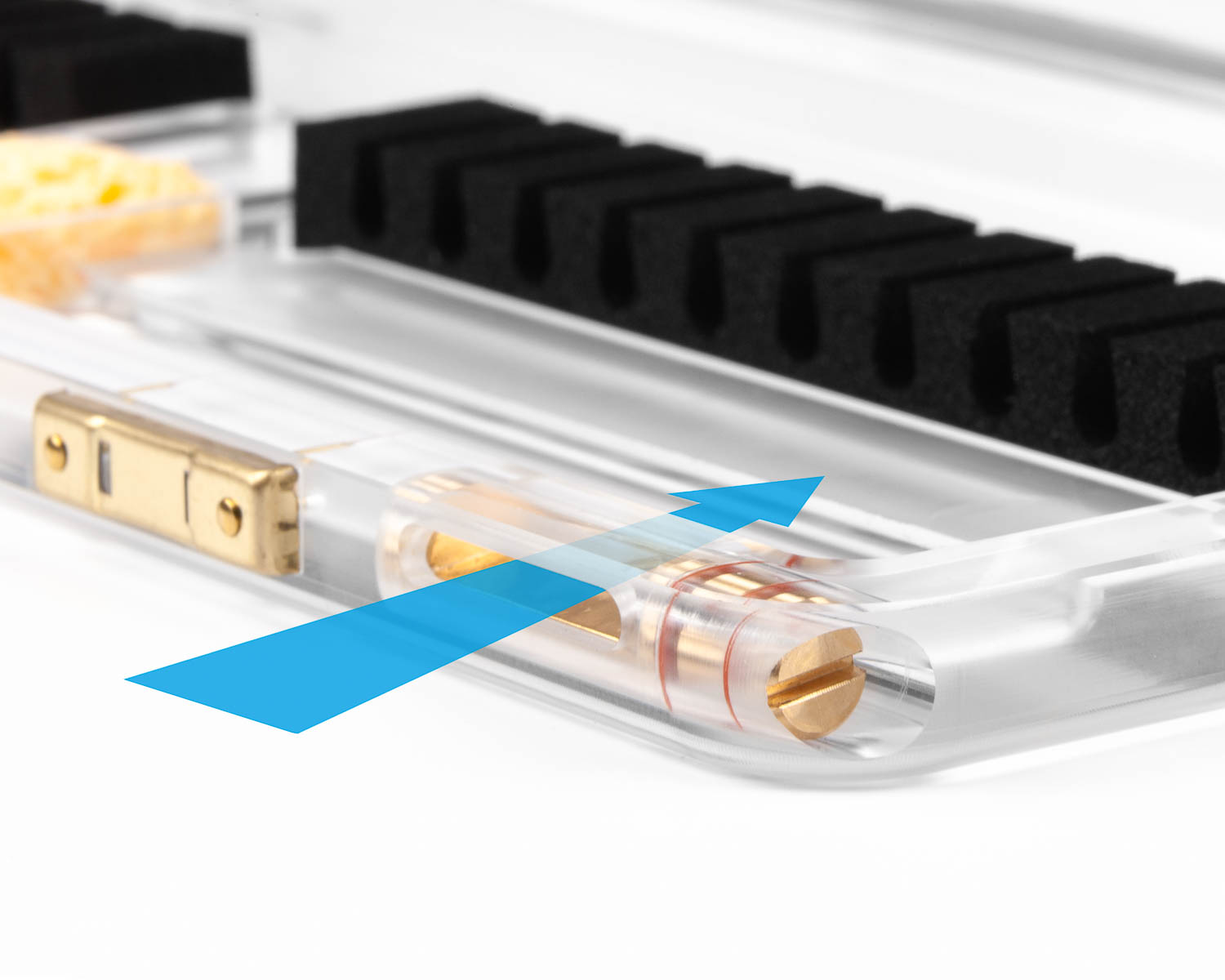
Avoid storing reeds in airtight containers. This helps the reed dry out between uses and decrease the likelihood of mold growth. (Eww!)
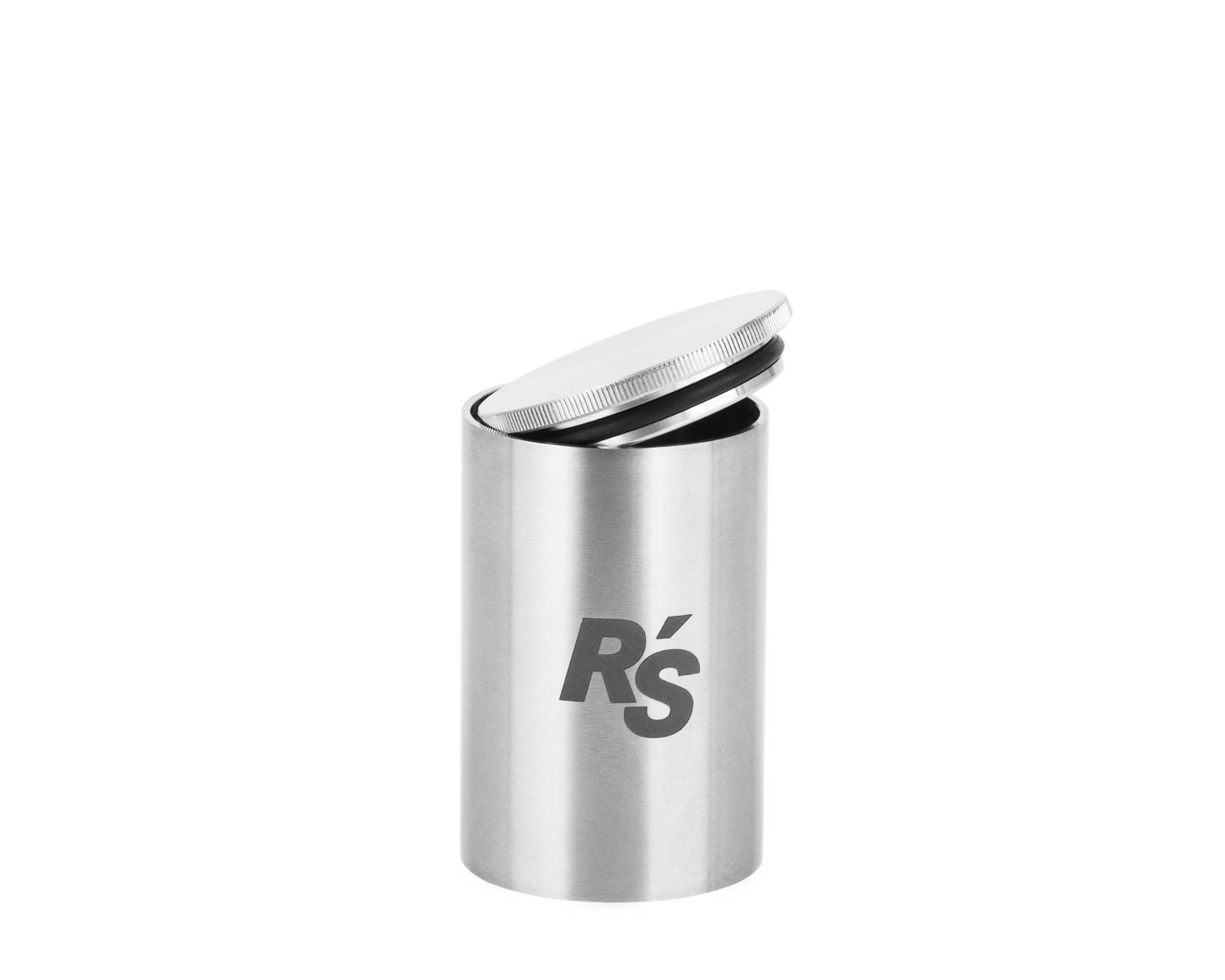
Frequently change the water in which you soak your reeds. Filling your reed cup with fresh water every day is an excellent idea. Don’t forget to clean your reed cup with soap on occasion.
Chemical Decay
There are two primary factors contributing to the chemical decay of a reed:
1. - the departure of AMGX (I will explain what this is)
2. - the effects of saliva on cane
Departure of AMGX
Have you observed that fresh cane may have a sweet taste or smell? This originates from the hemicellulose (arabino-4-O-methyl glucuronoxylan to be specific, or AMGX) within the material. Hemicellulose makes up 20-24% of mature cane and helps it retain water, both while the plant is alive and in reed form. A fresh reed that has never been played will have a higher concentration of AMGX than at any other point in its reed life. As a result, this reed may absorb water rapidly, swell unpredictably, and have an unstable material structure.
While in use, the reeds are submerged in water, absorb saliva, and undergo intense flexing from sustained vibrations. (Read more about the nature of this vibration and mechanism of producing sound here.) AMGX partially dissolves in water and is shaken out of the cane while the reed is played. As the amount of this material in the cane decreases, so does the cane’s ability to absorb water.
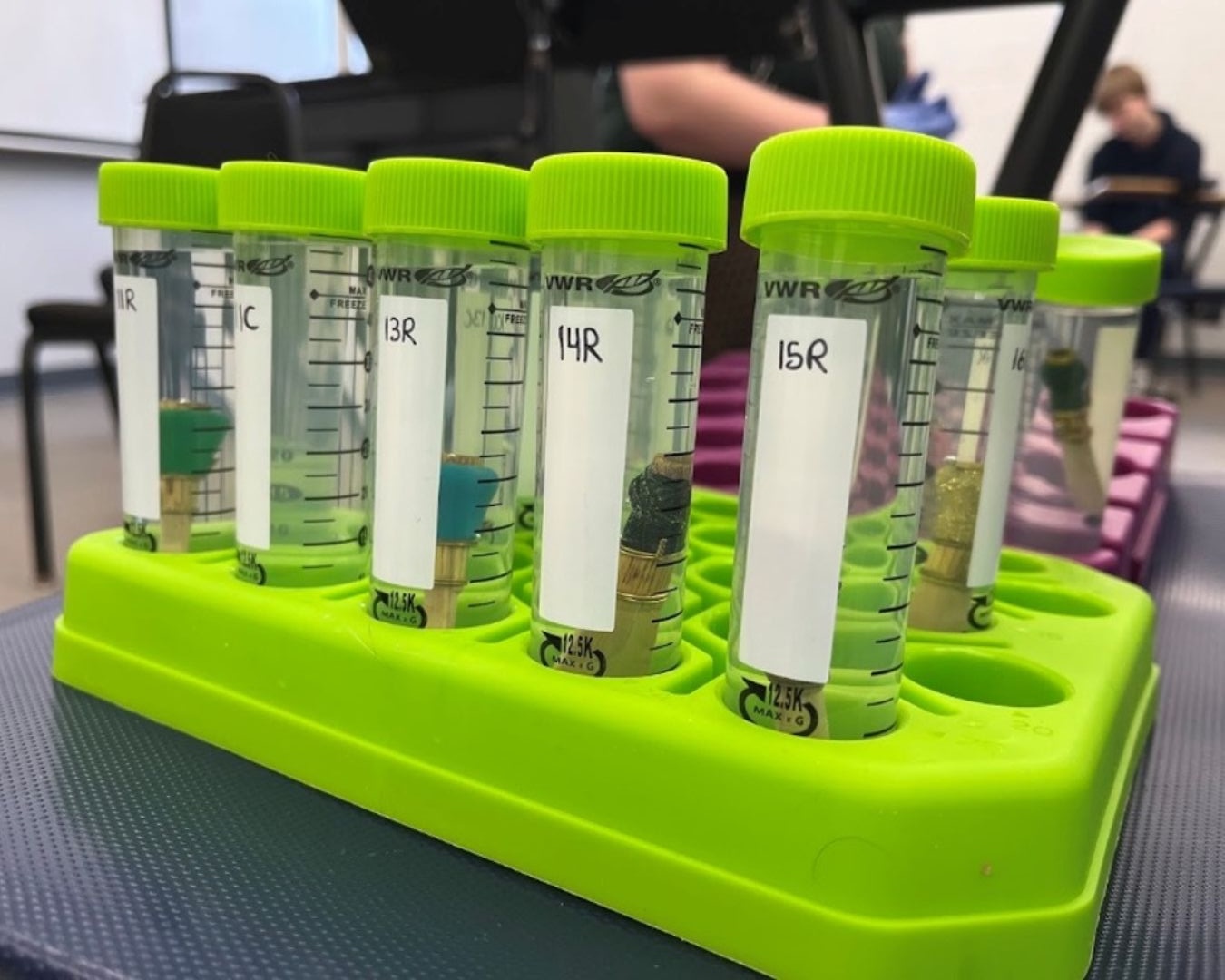
Consequently, as the amount of AMGX in the cane decreases and stabilizes, the reed may become more predictable. It will still swell with absorbed water, but in a more controlled and consistent manner. This stage of a reed’s life is when we might call it “broken in.” This is also a reminder that not all changes in our reeds are negative! Predictability is a desirable reed attribute, and this chemical change positively contributes to the pursuit of that goal.
However, the departure of AMGX continues throughout a reed’s life as it is exposed to water, saliva, and vibration. When too much AMGX is lost, the reed will have difficulty absorbing water, with effects similar to those in the “Physical Decay” portion of this article.
Longevity Tip:
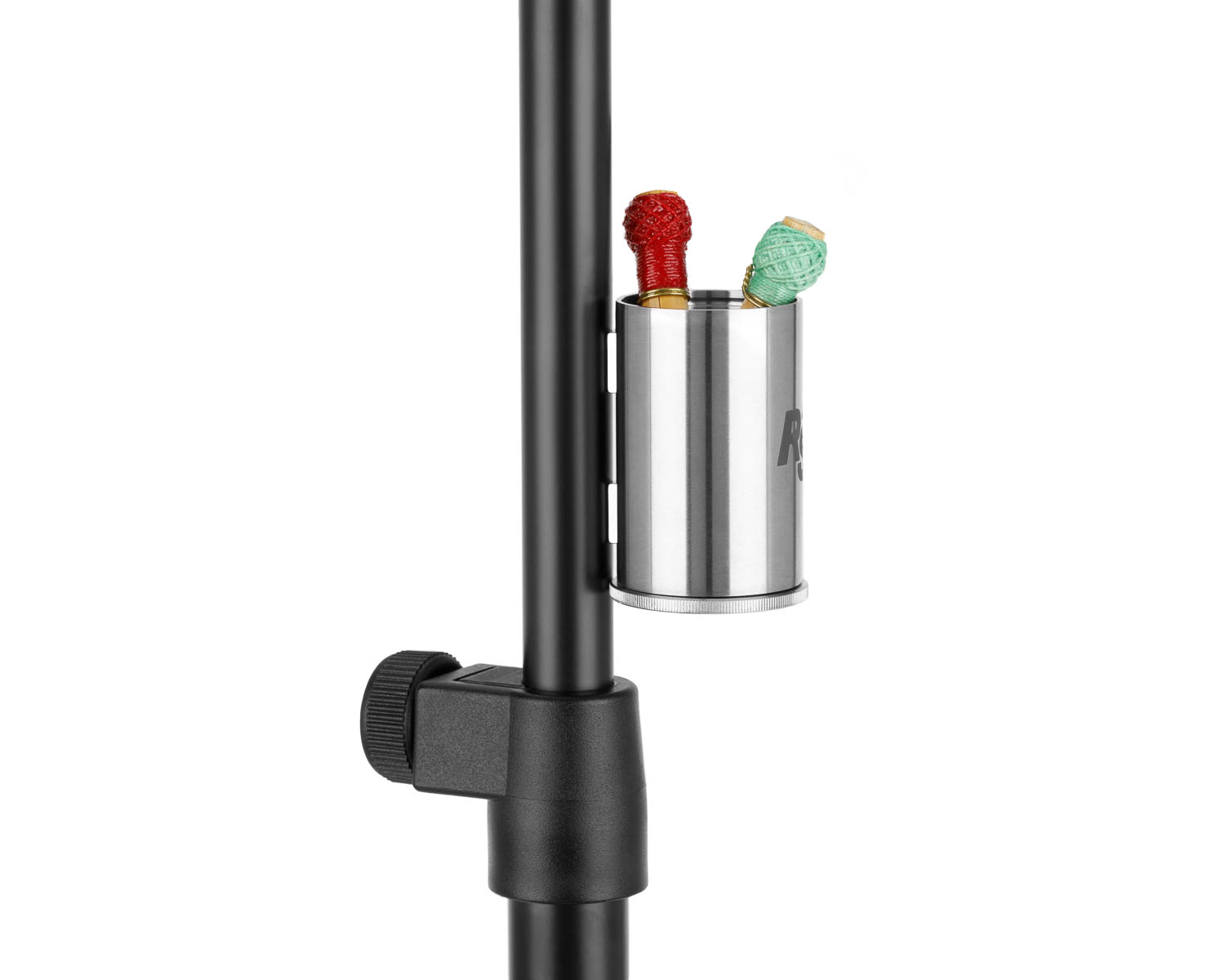
If you are a reed maker, do not finish your reeds while they still have abundant AMGX. Let the initial stage of AMGX departure take place by soaking the reed, playing it, and drying it at least three separate times prior to making the most intricate final scrapes. Otherwise, it is wont to change again after all your careful scraping!
The effects of saliva
A reed must encounter a player’s saliva to be used. There are two primary chemical consequences of this interaction that contribute to reed aging: the accumulation of residual saliva on the reed blades and the degradation of lignin bonds from alkaline components in the saliva.
When saliva evaporates from a reed, it leaves behind minerals that remain on the surface of and within the blade material. Have you ever observed a white coating that you can scrape of the reed with your fingernail? If so, you know exactly what we are talking about. This additional material will have similar physical effects as discussed in the “Bacterial Growth” section. However, the presence of ammonia and other alkali in saliva furthers the chemical degradation of the cane. The lignin structure gradually breaks down, contributing to softer and more brittle cane (“plasticization”). A reed may have increased difficulty in sustaining vibration or a decreased response because of this chemical interaction.
Longevity Tips:
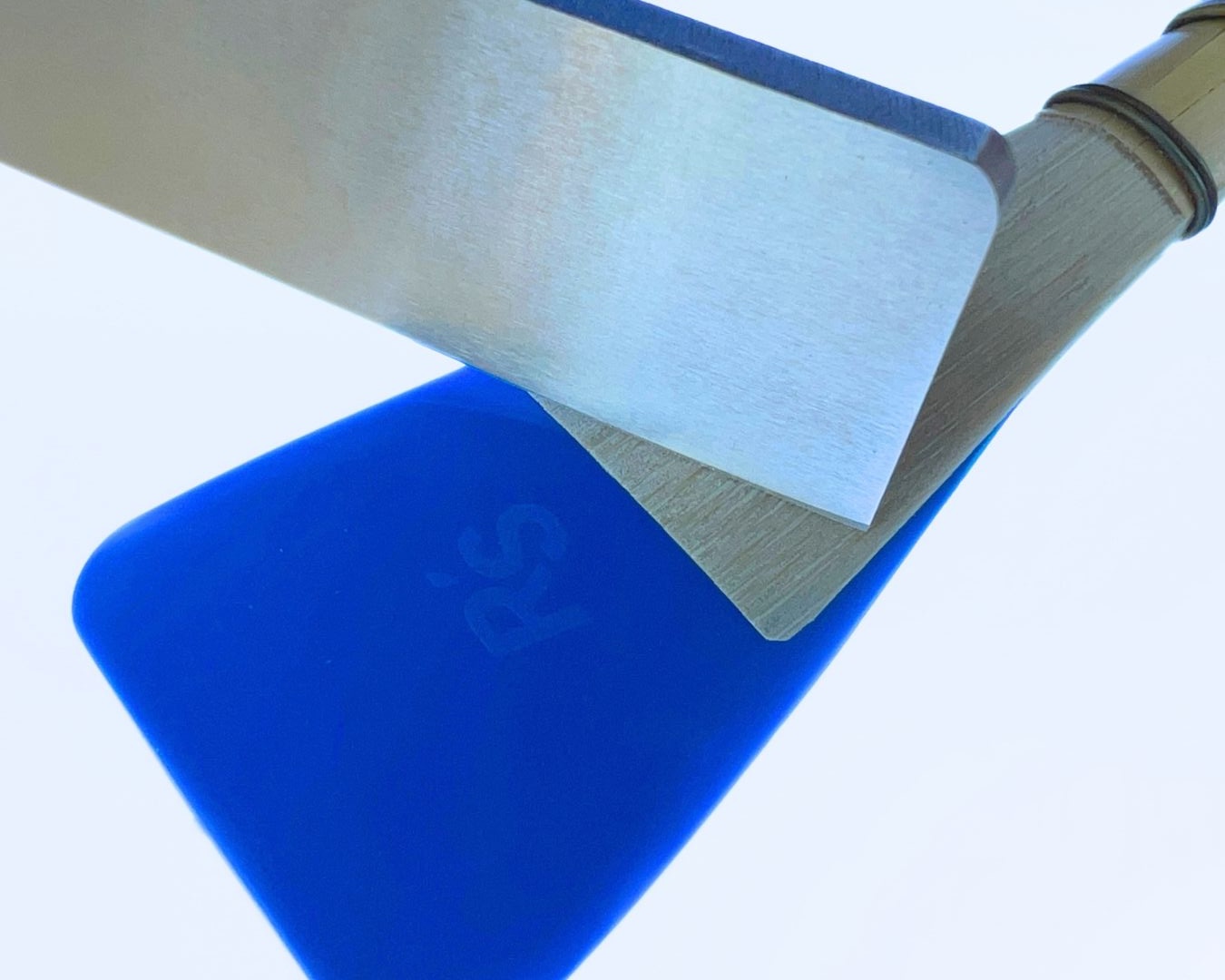
Remove some of the saliva remains by scraping the blade with a fingernail, file, or knife. Your goal is not to remove cane, but to remove the residual saliva. It is recommended to do this with a plaque in the reed.

A reed cleaner can be used to remove saliva components on the inside of the reed. Alternatively, an ultrasonic cleaner (often used for jewelry) can use vibration to help shake this residue off the reed.

If you have a cold or are ill, know that you will likely produce more saliva residue. You could designate one or two reeds to use during this time to preserve the lifespan of the others.

Rinse your reeds in water after playing to remove wet saliva before it evaporates and leaves behind residue.
Into The Future
Something beautiful about playing a double reed instrument is the connection between an artist and their reeds. Our reeds and the cane we use are a part of our artistic identity, signature sound, and musical lineage. We pass this craft from one generation to the next in a beautiful tradition that spans centuries. It is my hope that we continue to discover how modern tools can further our exploration of this artform in a way that respects tradition and embraces innovation.
What if we could artificially remove AMGX from a reed to break it in quicker? Could we create an imperceptibly thin barrier on cane that prevents saliva artifacts from building up without compromising the vibration pattern? What if there was a way to grow cane that sustained its ability to consistently soak up water? Research in this direction has already begun. There is reason to hope that we will find new ways to extend reed longevity without sacrificing the beautiful complexities of cane.
Perhaps we can bring new life to our beloved reeds.
October 7, 2026
Oboe Bassoon Interview