

Basic Adjustments for Oboe Reeds
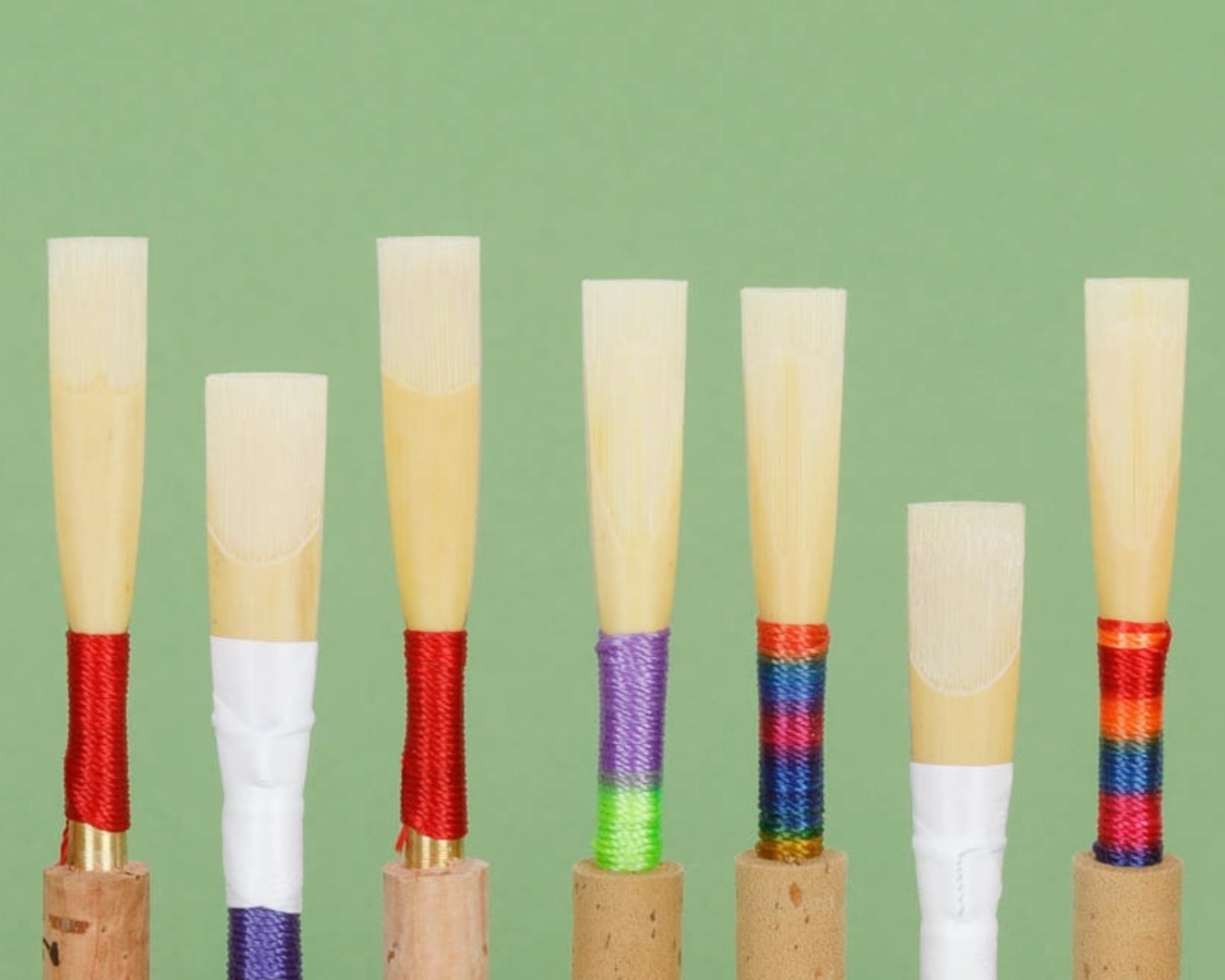
Sometimes a reed simply does not perform as expected. It may be too new, the climate may have changed, or the reed may need a small adjustment.
With experience, we gradually develop an intuitive understanding of what a reed needs. A clear troubleshooting approach, however, can help identify the problem and determine the right adjustment.
Note: this article is primarily for adjusting European style reeds. For American style reeds, please see our interview with Dr. Eurídice Álvarez.
Adjustments Without a Knife
Before making changes that cannot be undone, it is worth trying a few knife-free adjustments. These simple fixes can often solve the problem in a matter of seconds.
The Reed Leaks Air
If the reed feels hard, does not vibrate properly, or air escapes from the sides, check for leaks by soaking the reed, closing the tip with two fingers, and blowing through the staple. If small bubbles appear along the sides or around the thread, seal the leak with sealing tape, Teflon tape, Parafilm, or Fishskin.
The Blades Are Misaligned
If the blades are not properly aligned and the reed does not vibrate evenly, remove any sealing or fixing material, such as sealing tape, Teflon tape, or wire. Soak the reed, then insert a plaque between the blades until it touches the staple to separate them, align the blades carefully, and remove the plaque. Replace the wire and sealing material.
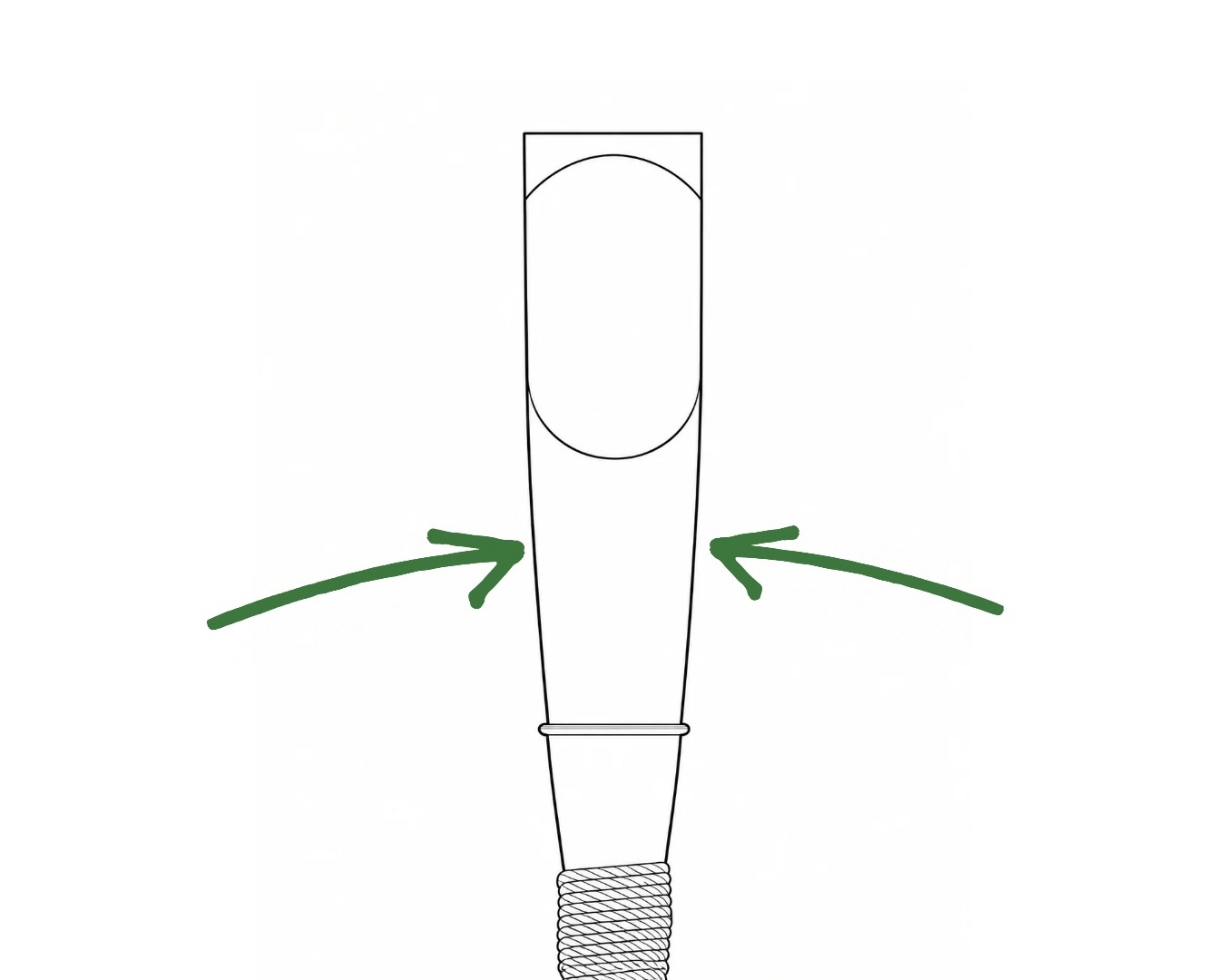
The Reed Is Too Closed
If the reed is sharp, lacks flexibility, and does not allow enough air to pass through, open it slightly by gently pressing the sides in the belly area. Adjust the wire if the reed has one, or add a wire if appropriate.
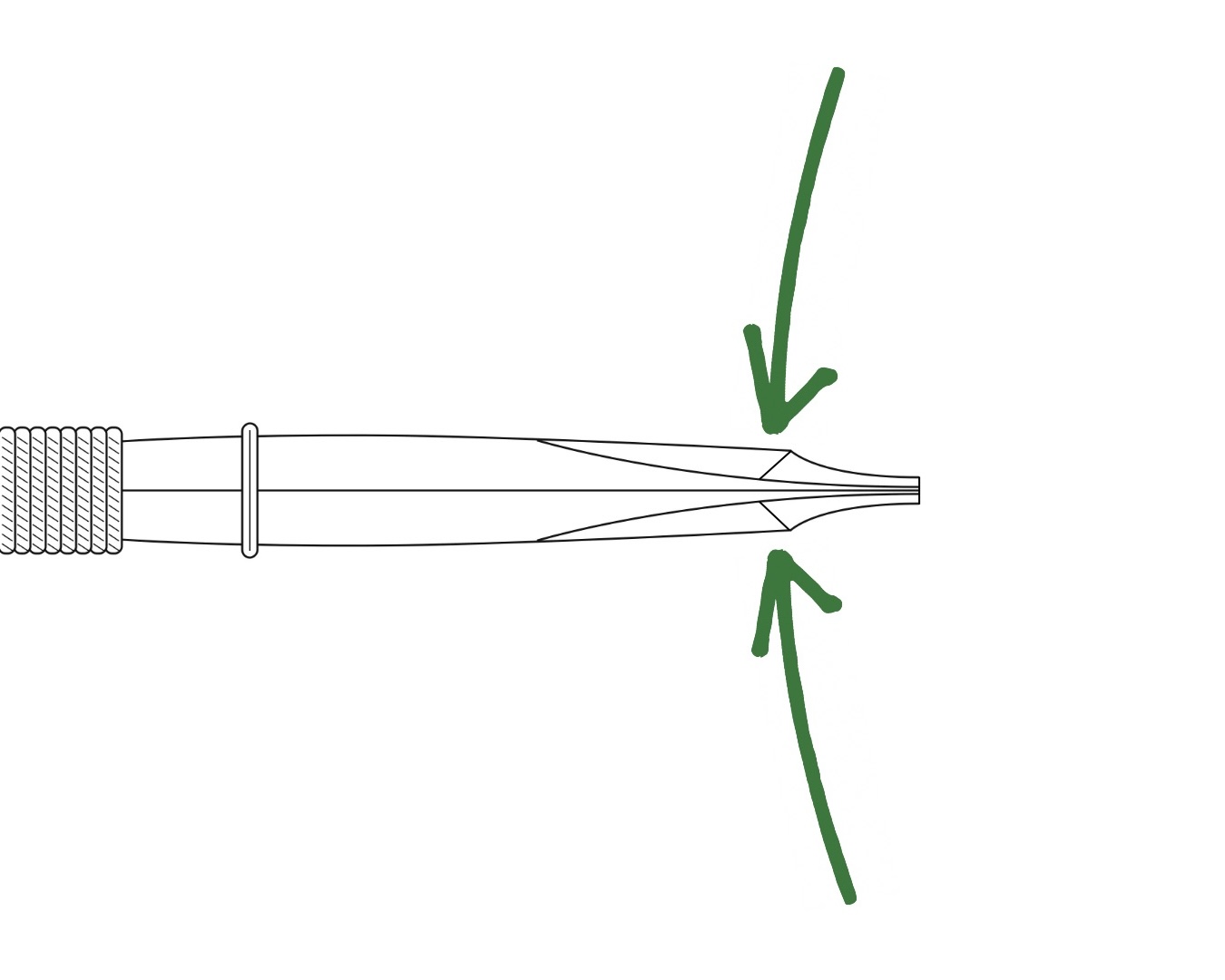
The Reed Is Too Open
If the reed plays flat, particularly in the high register, and requires excessive biting to control, close the opening slightly with controlled pressure from your fingers. If the reed has been recently scraped, leave it for a few days to settle and release some of its extra tension.
Adjustments with a Knife
Often, the previous adjustments are not enough and some scraping is required. This is probably the most delicate part of reed making, but there is no need to fear it. It is a skill that develops with practice.
Check the Overall Balance
Before looking for a specific solution, carefully observe the reed. Are both blades symmetrical? Is the spine centred? Is there more material on one side than the other? Is the tip equally thick on both sides?
A balanced reed will generally perform better than an asymmetrical one. Correct any obvious imbalances in the scrape whenever possible.
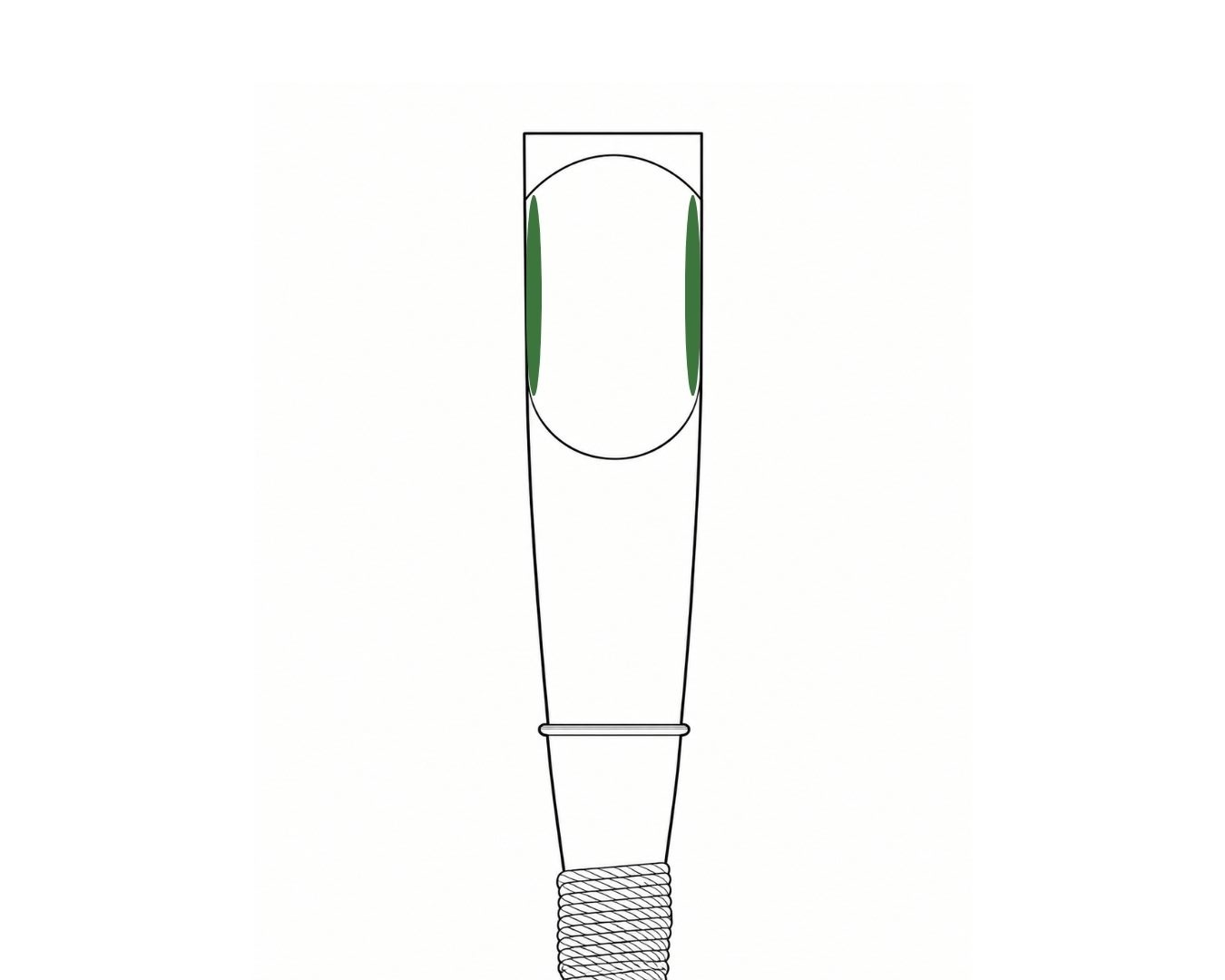
The Reed Is Too Open
If the opening is large, the reed plays flat, and biting is required to make it respond, first try to reduce the opening slightly as described above. If the problem persists, lightly scrape the sides of the reed.
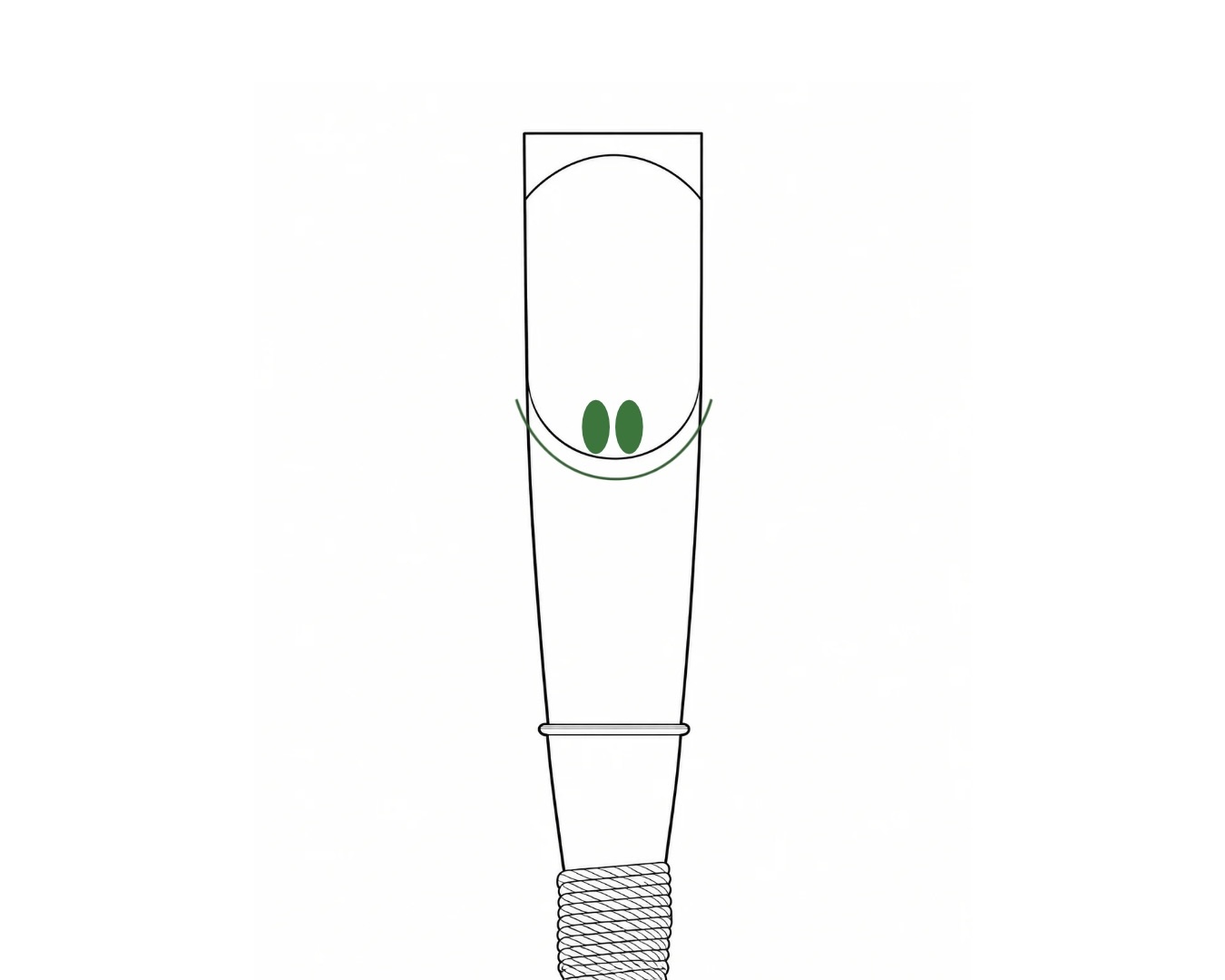
The Reed Is Too Closed
If the opening is too small, the reed plays sharp, particularly in the lower register, and lacks flexibility, remove a small amount of cane from the lower part of the reed beside the spine and slightly lengthen the scrape.
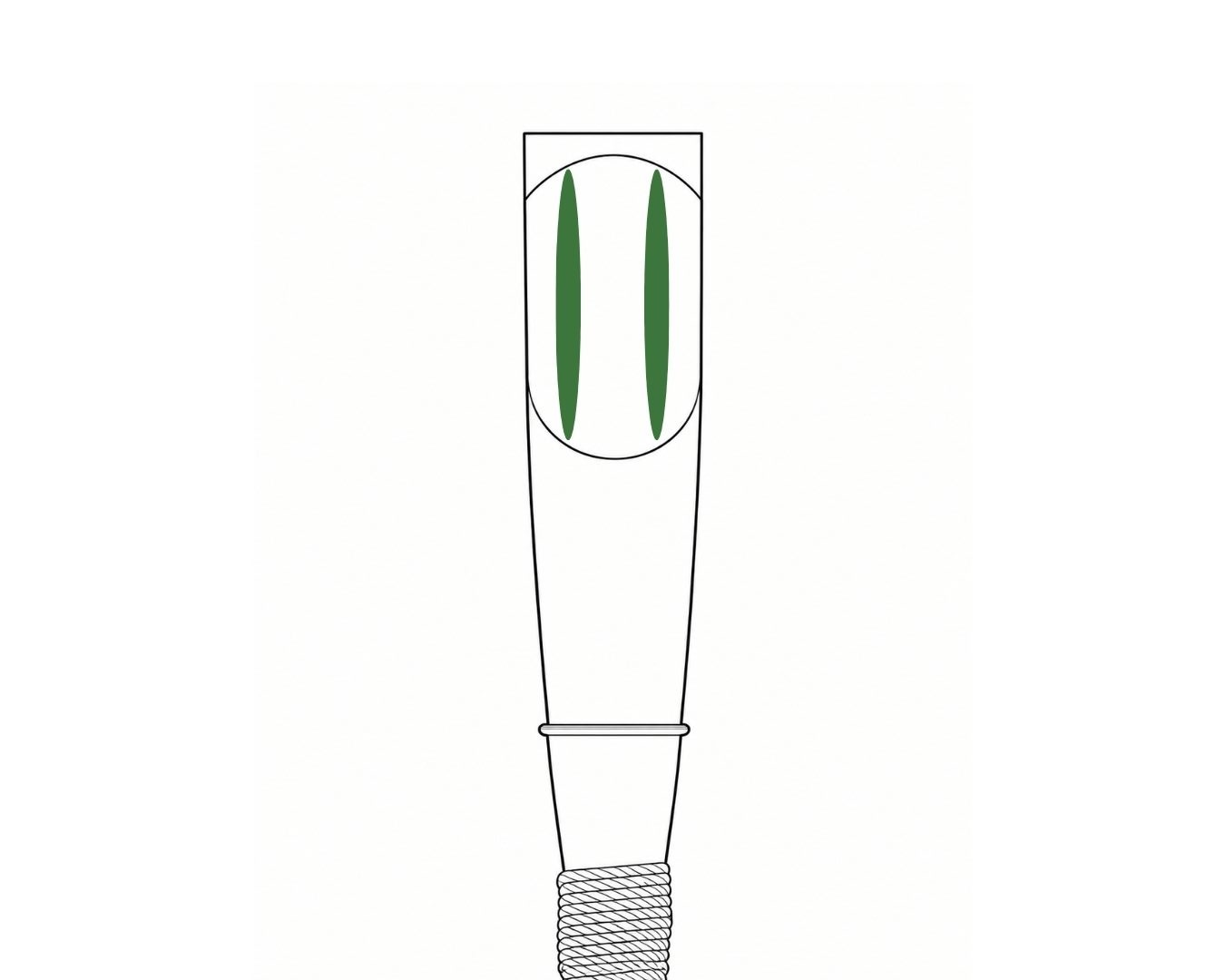
Sharp Pitch
If the reed has the correct dimensions but consistently plays sharp, it is likely too closed or insufficiently flexible. Reduce the tension by lightly scraping the rails.
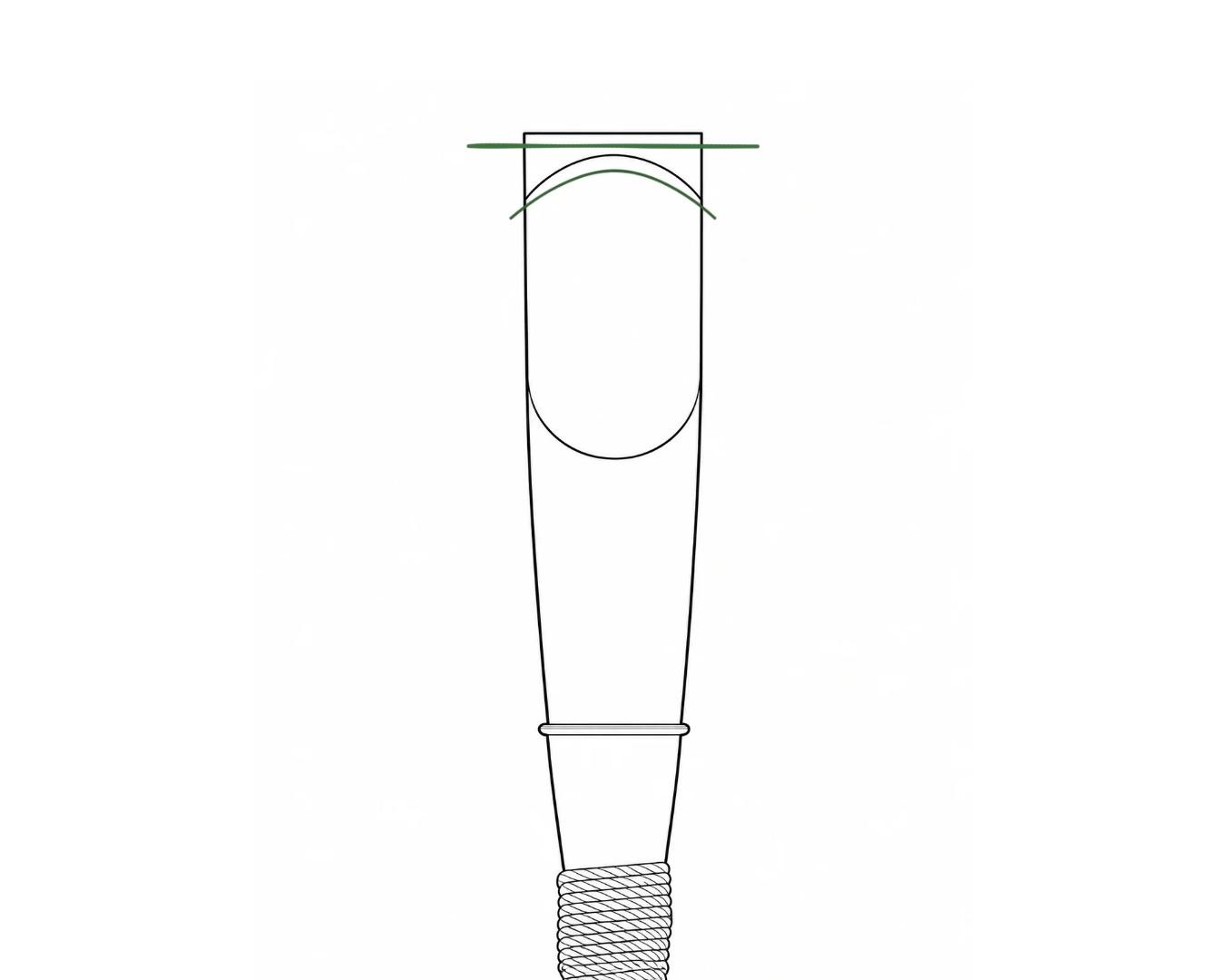
Flat Pitch
If the reed functions well and appears balanced but plays flat, check whether it is too long. If so, trim the tip slightly and re-establish the tip profile. If the dimensions are already correct and the reed otherwise performs well, shorten the staple slightly by filing the lower end instead.
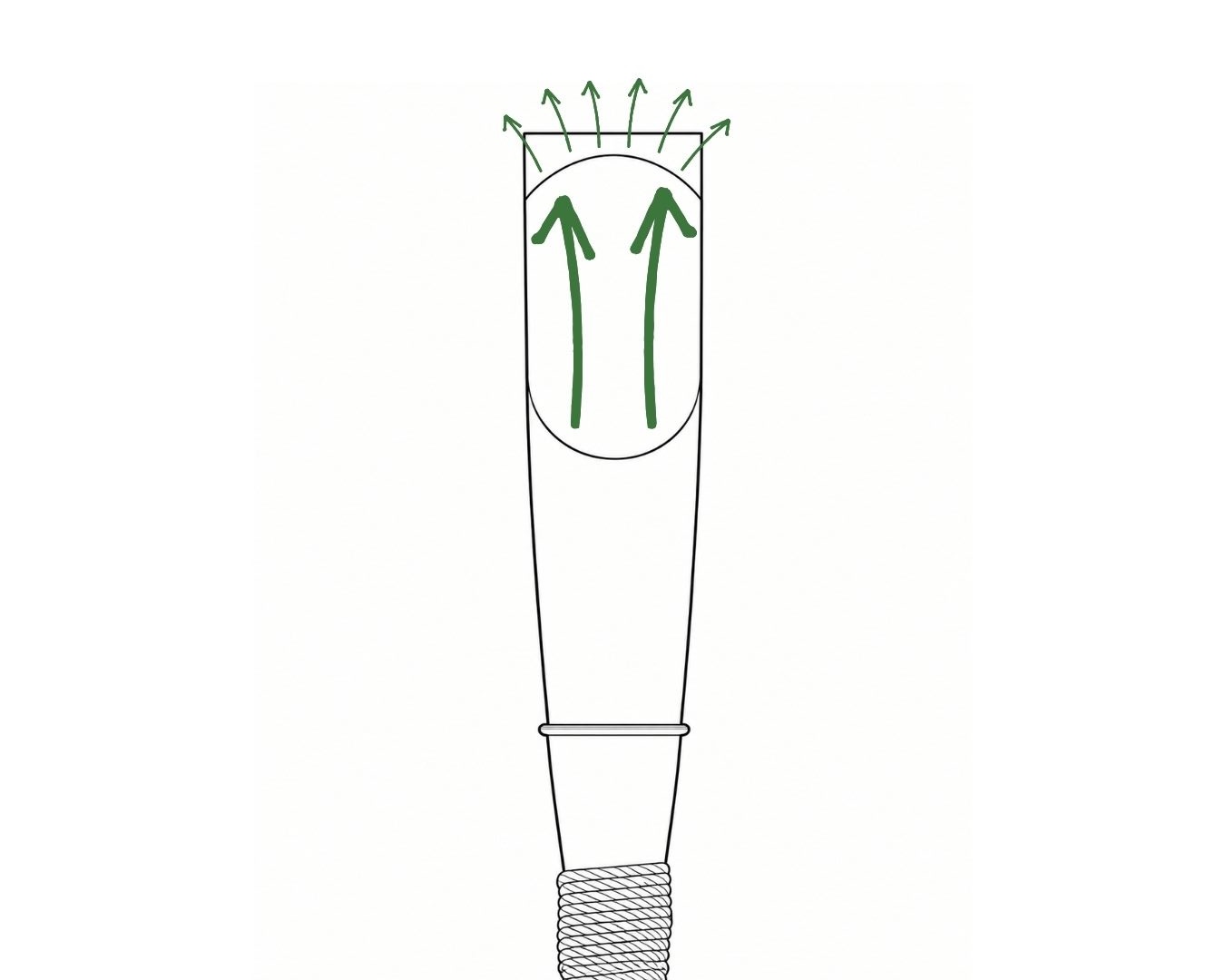
Good Opening but Excessive Resistance
If the reed appears balanced and the opening is correct but takes too much effort to vibrate, carry out a light general scrape while maintaining its proportions. Take particular care with the heart and spine and remove as little material as possible from these areas.
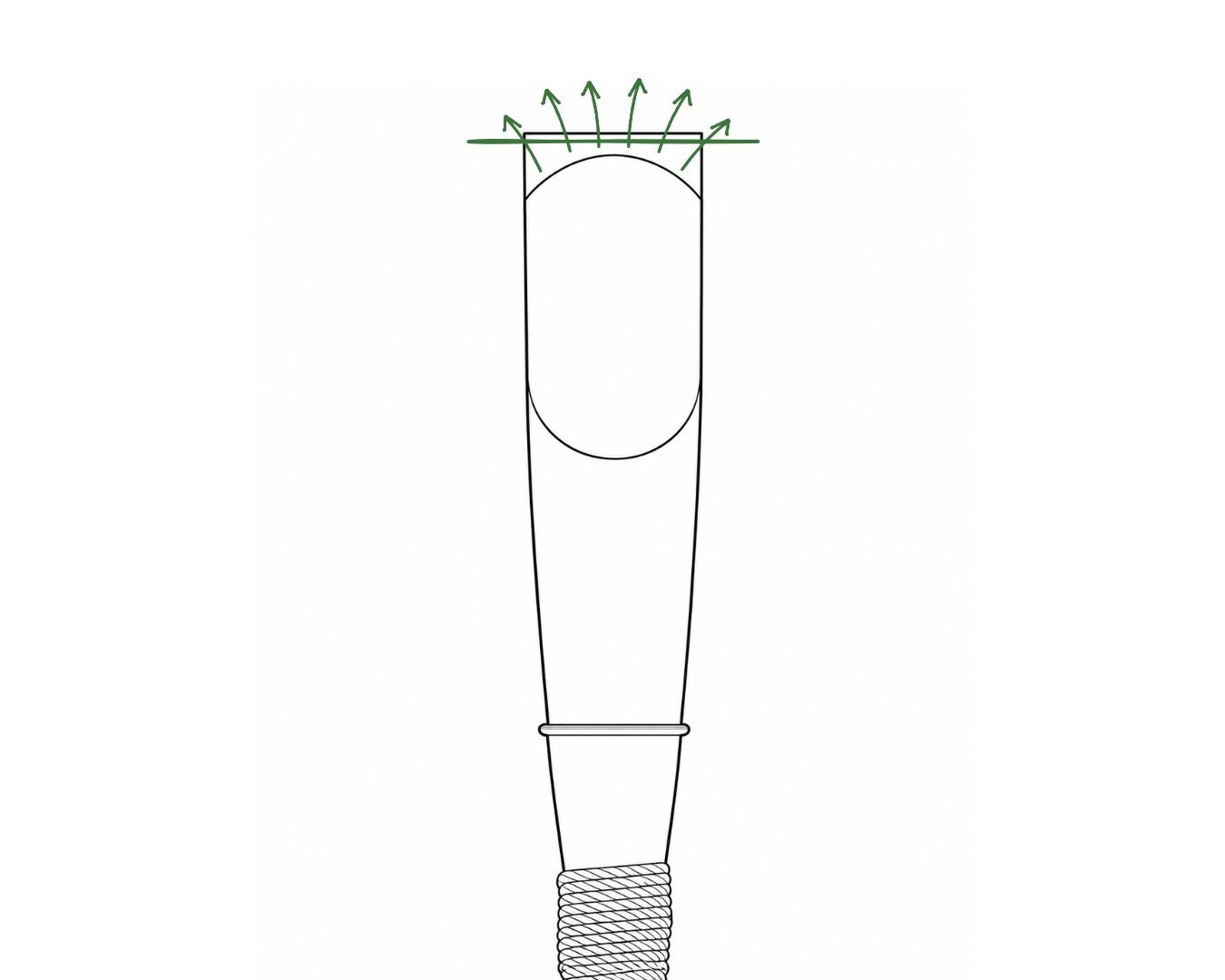
Soft Reed with a Bright Sound
If the reed produces a bright, uncontrolled sound, trim the tip slightly and lightly scrape the tip again without extending the length of the tip.
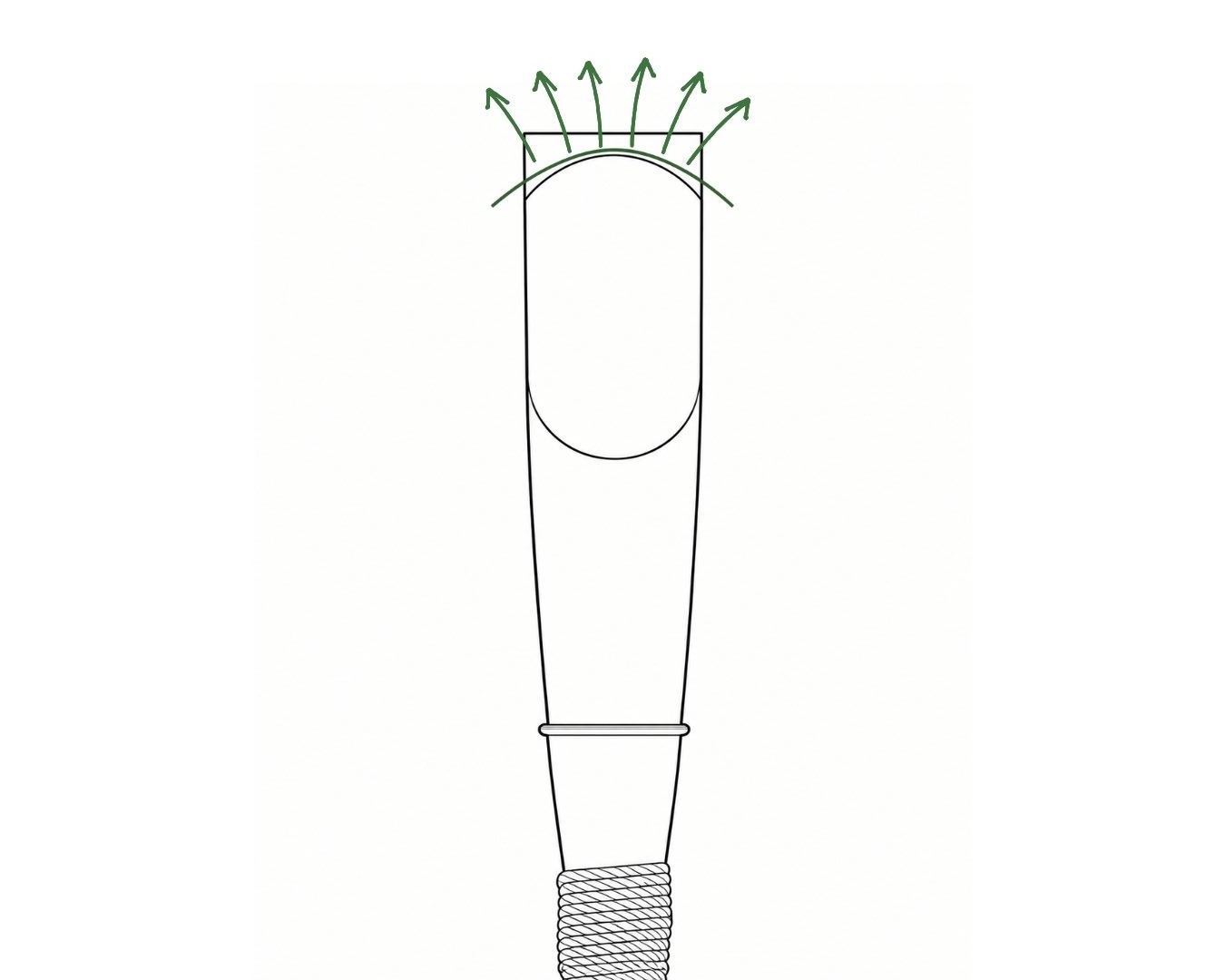
Difficult Articulation
If both delicate note attacks and staccato passages are difficult to execute cleanly, lightly scrape the tip.
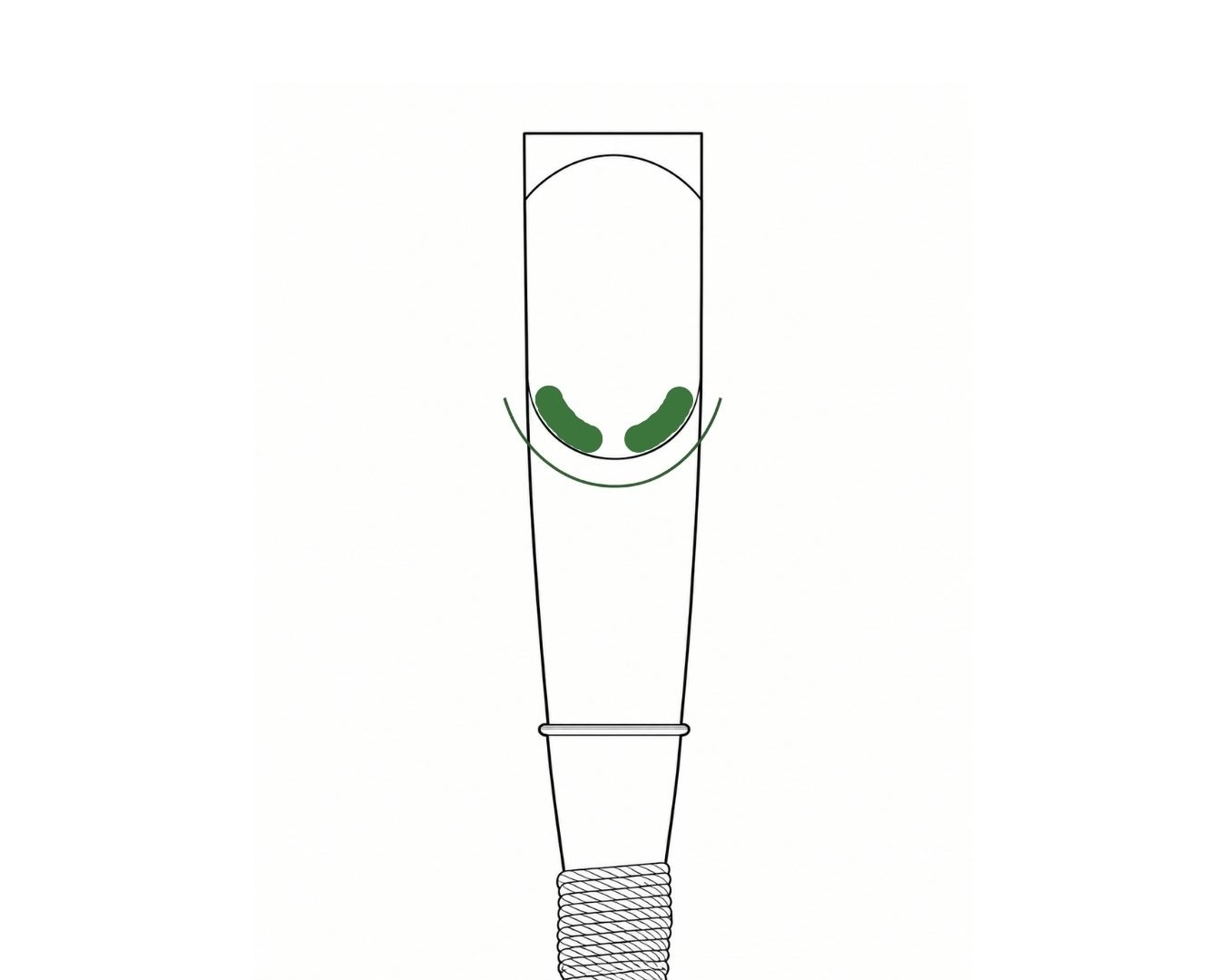
Difficult Low Notes
If attacks and soft playing in the low register require excessive effort, lightly scrape the U-shaped area of the reed. If necessary, the scrape can also be extended slightly.
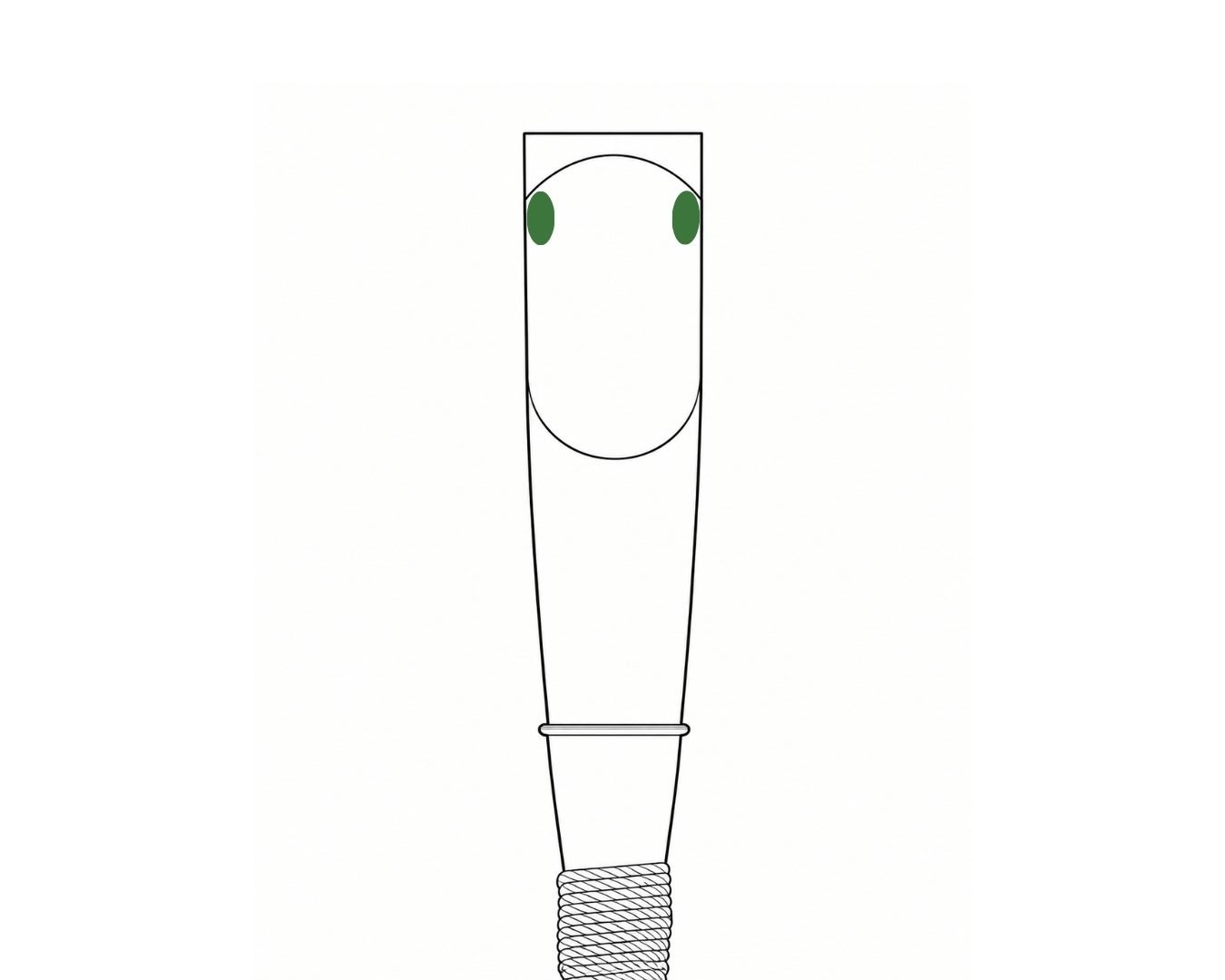
Embouchure Fatigue
If the reed sounds good and the intonation is correct but signs of fatigue appear after playing for a while, lightly scrape the sides of the reed just behind the tip.
Tip: very often, these reeds improve on their own after a few days of playing. When in doubt, do not scrape. Play the reed again the next day and reassess.
When in Doubt – Do Not Scrape
Reeds change constantly during their first days of life. A reed that seems too hard today may be perfect a week later.
Before making any irreversible adjustment, check the opening, check for air leaks, verify blade alignment, evaluate the overall balance, and play the reed for several days before scraping again.
Sometimes the best knife is patience. A well-made reed will often find its own balance if we simply give it time to settle.
October 20, 2026
Oboe Tips-and-Tricks