

An Introduction to Making Pipe Reeds
Are you looking into making your own reeds but all the machines and tools seem a bit daunting? In this overview we will take a look at all the steps it takes to go from a piece of tube cane to a playable reed, and what each tool does along the way. Let's dive right in!

First we'll start with a piece of cane, or Arundo Donax, and put it through the Cane Splitter. This will cut the tube into usable segments.

Before we start bringing our cane down to precise measurements it is helpful to get rid of the large portion of cane on in the inside that we will not be using.

Rather than taking 30-40 fine passes with the gouging machine and making that blade dull, we have developed the universally loved Pregouging Machine. This is essentially a rough pass of the cane, preparing us for the next steps which will be more precise.

Now we need to cut the cane to a specific length in order to fit into our gouging machine. We will cut away any warped sections of cane to find the straightest possible segment, and cut the cane to a specific length matching our gouging machine. This also saves us from unnecessarily processing cane that will not be part of our reed.

With the Gouging Machine we take our finishing pass at the inside of the cane. With a handful of passes of the machine we give the underside of the reed blade a specific curvature and smoothness. By adjusting the thickness here we determine which layers of cane will be used for our reeds.

Similar to the Pre-Gouging Machine, our Preprofiling Machine is designed to remove most of the bark and unnecessary outer layers of the cane. This save us a lot of work later, and helps extend the life of the finer blades of our shaping and profiling machines.
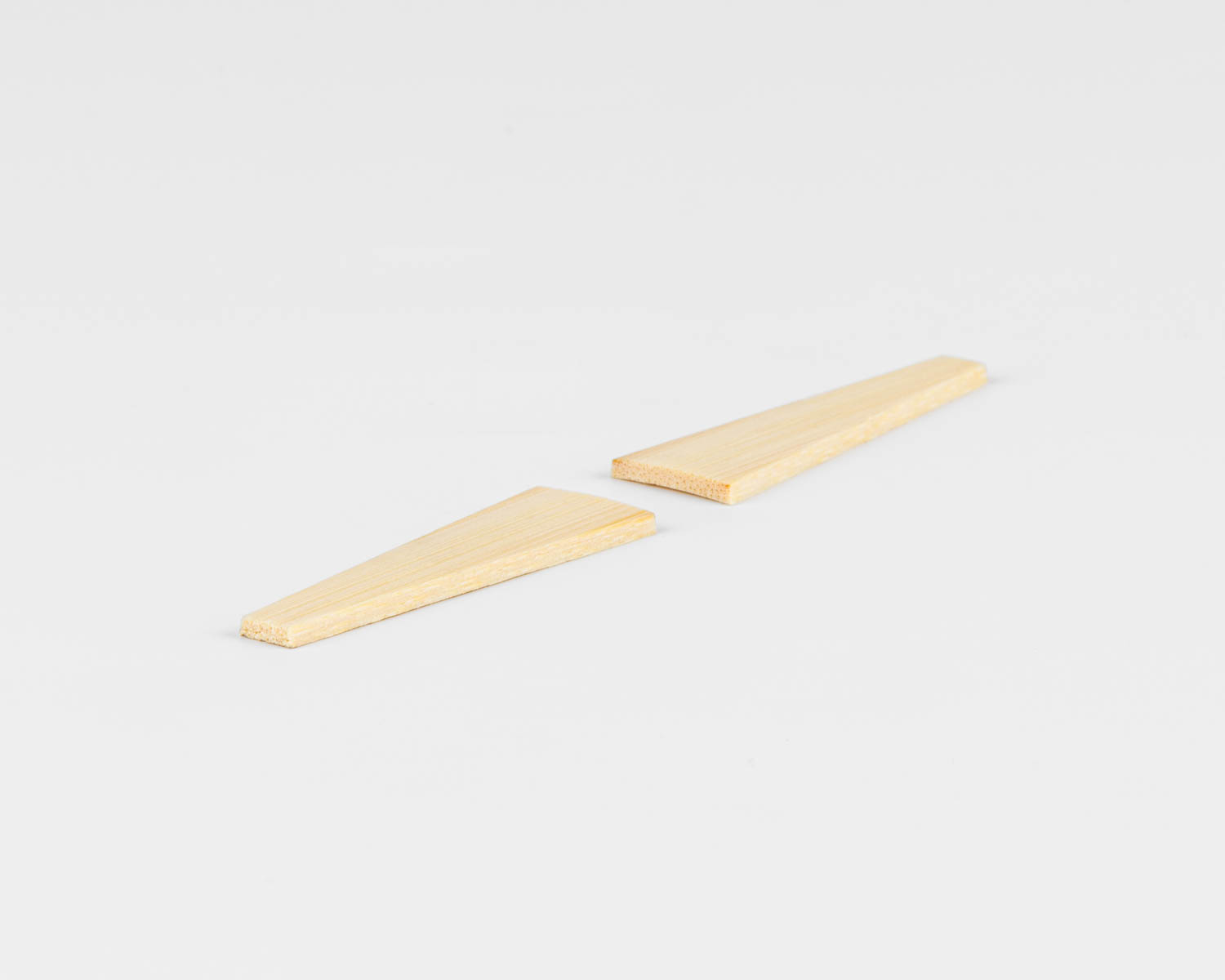
To shape the cane we have two options:
The Single Blade Shaping Machine shapes each blade individually. To use this machine you will have to cut the gouged and pre-profiled cane in half using the Cane Cutter.
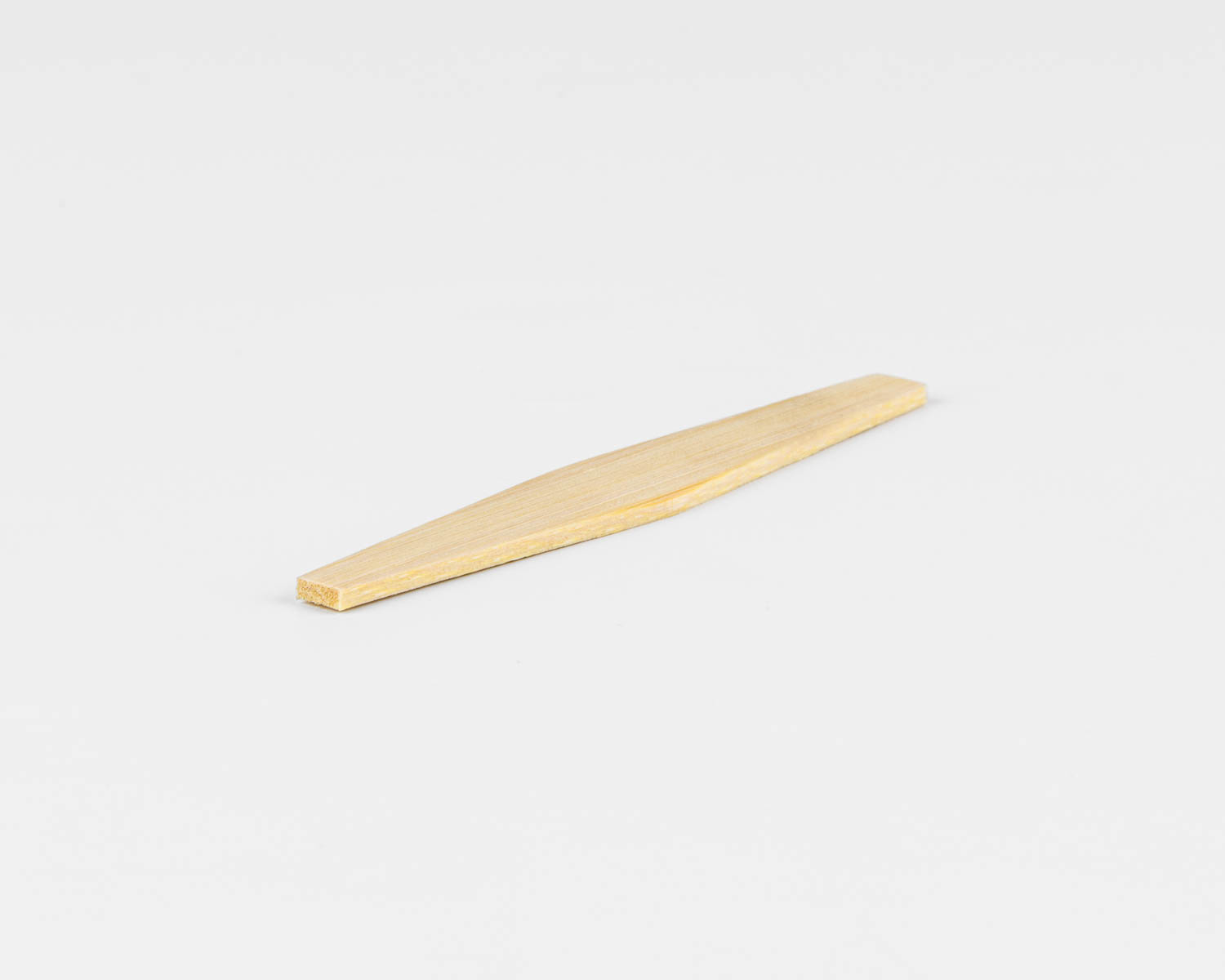
The Double Blade Shaping Machine shapes both blades while they are still attached to each other as one piece of cane. We will separate these blades later.
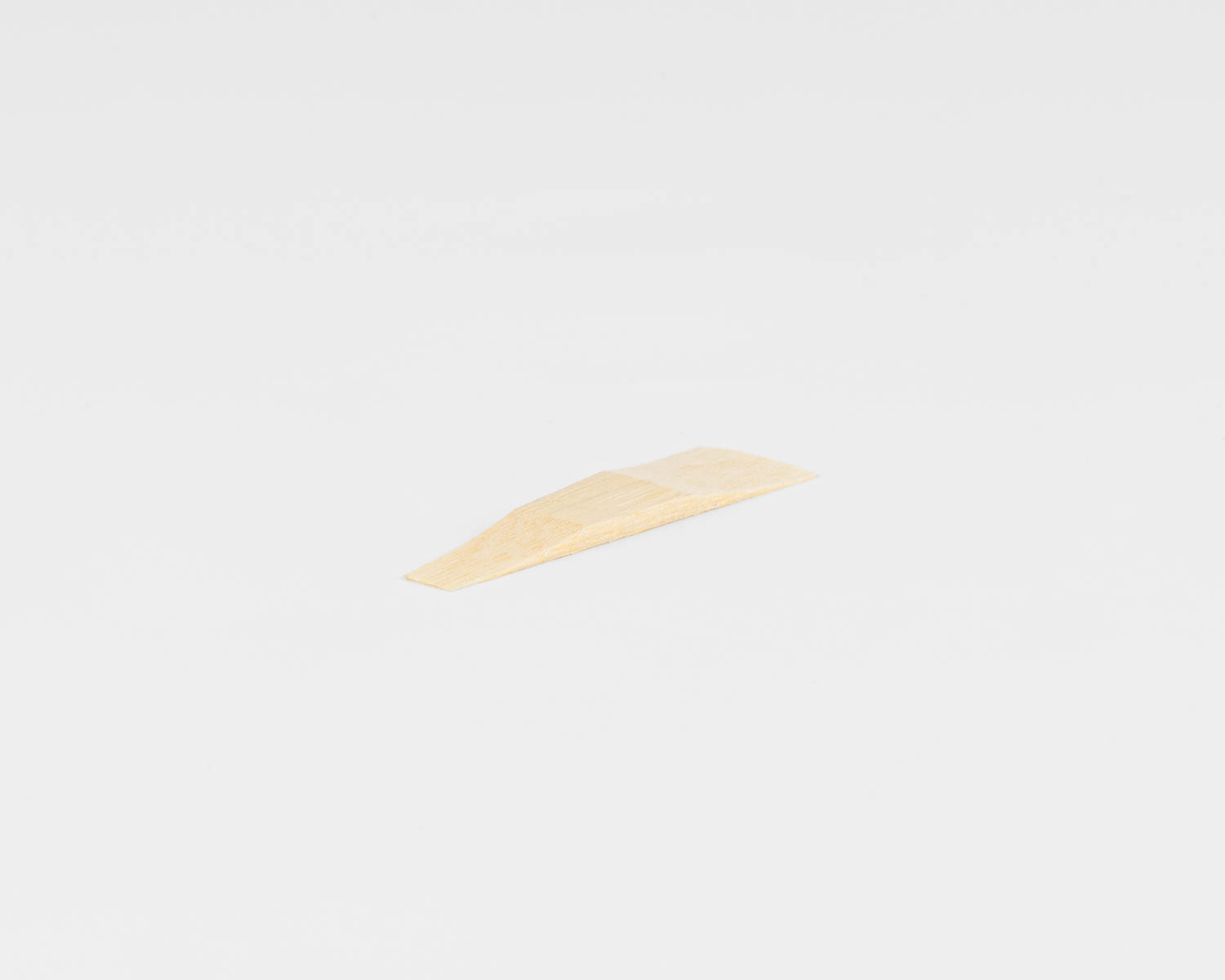
With the cane cut to shape we can now go about getting our cane to final thicknesses. To do this we will use one of the two models of Profiling Machines.
With the Single Blade Profiling Machine we can process each blade individually, assuring that each blade is precisely profiled with the tip taper and soundbox thickness. With this machine it is also possible to profile the tail taper of the reed, either using the same taper as for the tip or using an additional template to process the back of the reed.

With the Double Blade Profiling Machine we can process both blades while they are still connected as one piece of cane.
The Double Blade Profiling Machine can also be used to profile the cane to a specific thickness over the entire piece of cane before cutting the cane in half and processing only the tip and tail tapers on another machine.
Processing the tail taper is not possible on this machine.
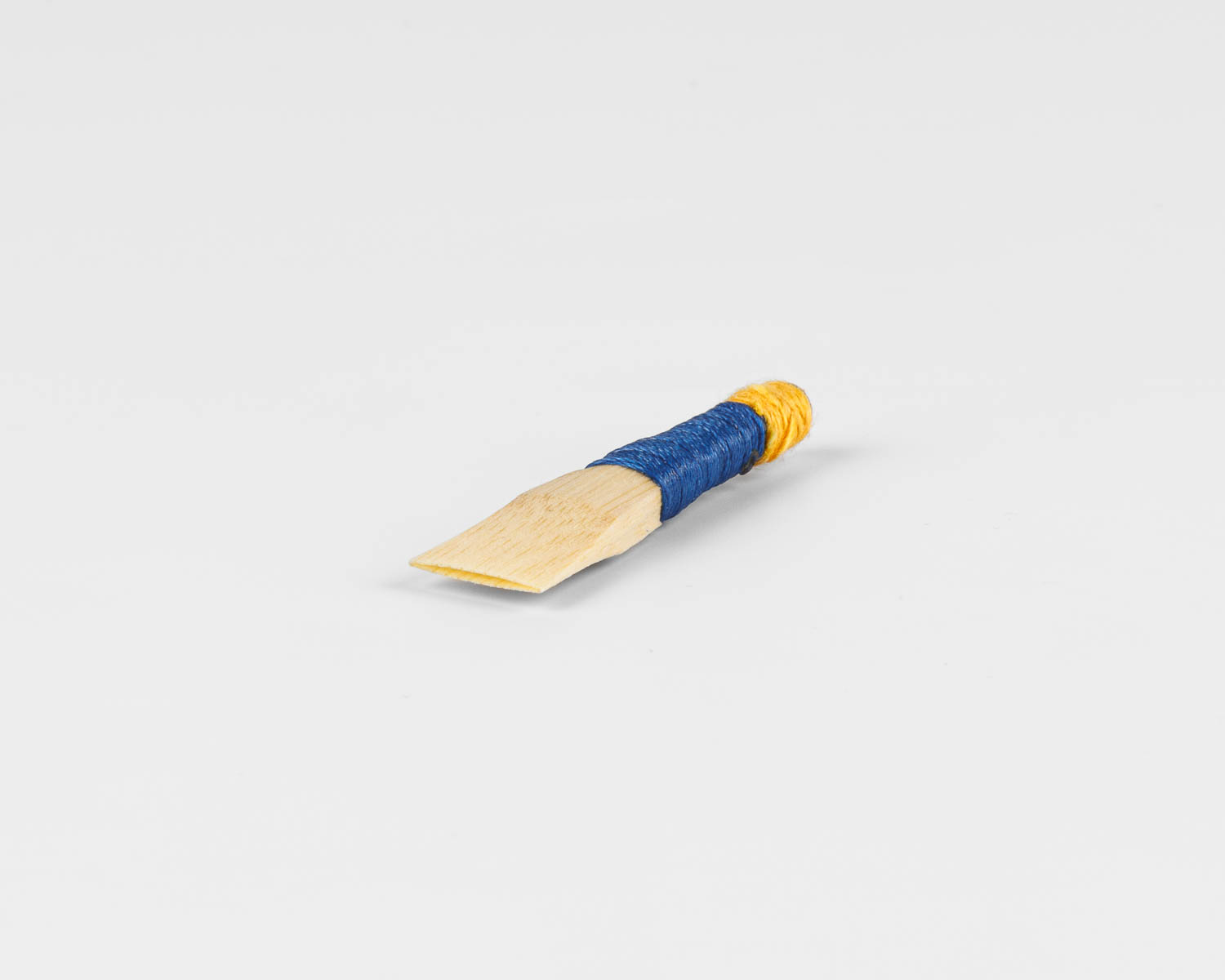
Now our cane is processed, so we can take each pair of blades and tie them onto the staple. If we have been careful, this will now be a playable reed.
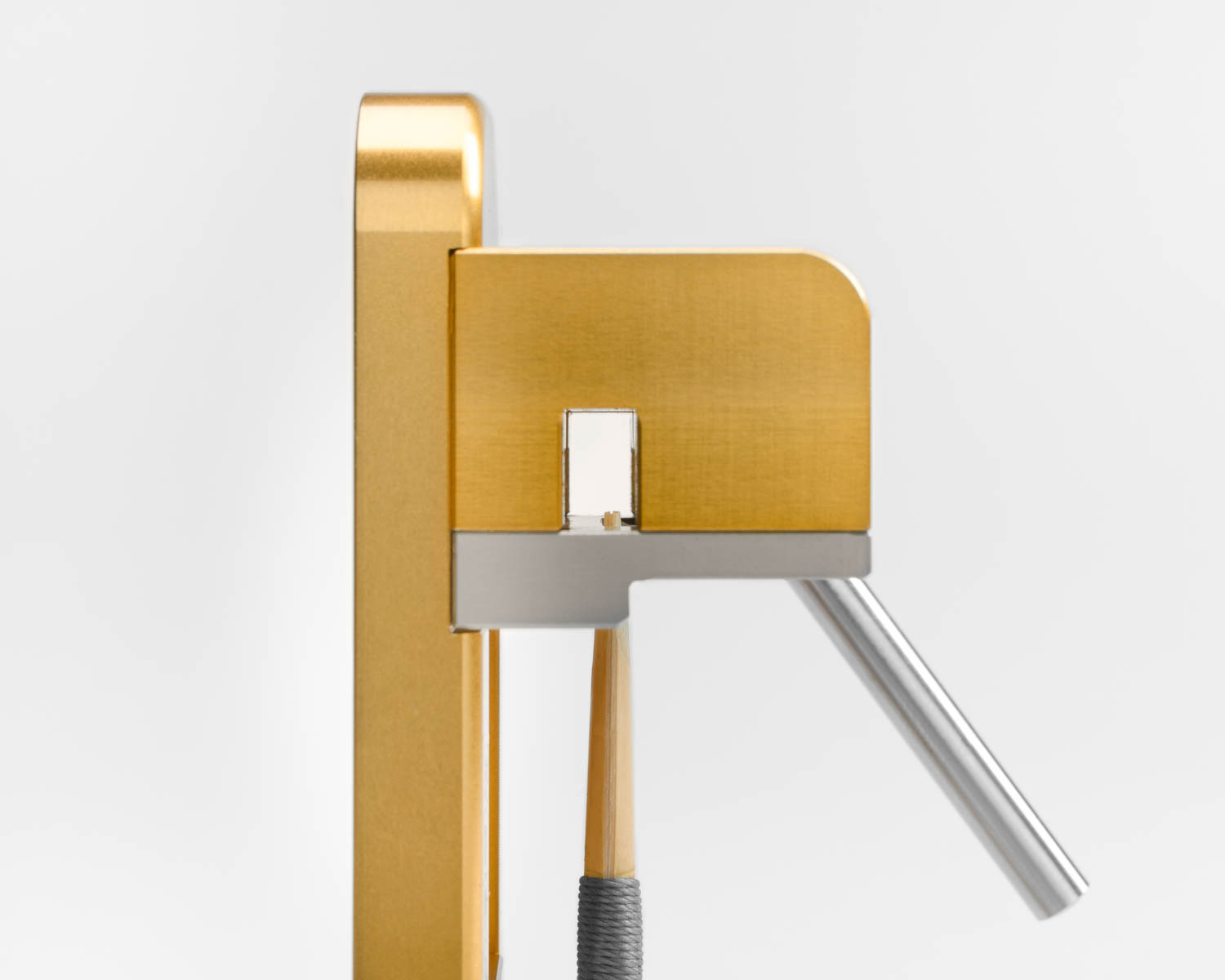
To ensure that both blades of our reed are exactly the same length, we can use the Reed Tip Guillotine to cut our reeds to a specific length, ensuring that our reeds are the same length every time.
This can also be used for slight pitch adjustments (i.e. clipping the reed a hair shorter will raise the pitch of our reed slightly).
Congratulations
We have now made it to a playable reed. Each step of the process has its own world of customization available, and the resulting reed can be influenced by adjusting parameters at any step in this process. We welcome you to the wonderful world of reed making, where you can take control of your reeds and ultimately, your playing.
April 8, 2026
Pipe How To