
Back to the Roots
Frederick Moritz was a major 20th-century bassoonist, teacher, reed maker, and innovator who helped shape modern American bassoon playing. German-trained and formerly with the Berlin Philharmonic, he later played with the Los Angeles Philharmonic, bringing European orchestral traditions into the growing American symphonic world. Known for clear, controlled playing - especially in the high register - he developed alternate fingerings, improved Heckel-style mechanisms, and promoted highly disciplined reed making.
His reed design emphasized stability, balance, airtightness, and smooth tapering; his tools and methods were later preserved through James Butterfield reproductions. Moritz’s influence spread through leading American pedagogues including Don Christlieb and Norman Herzberg, helping define a West Coast bassoon tradition focused on reeds, equipment, and practical technique. Through performance, teaching, reed making, and technical innovation, Moritz left a lasting mark on bassoon history.
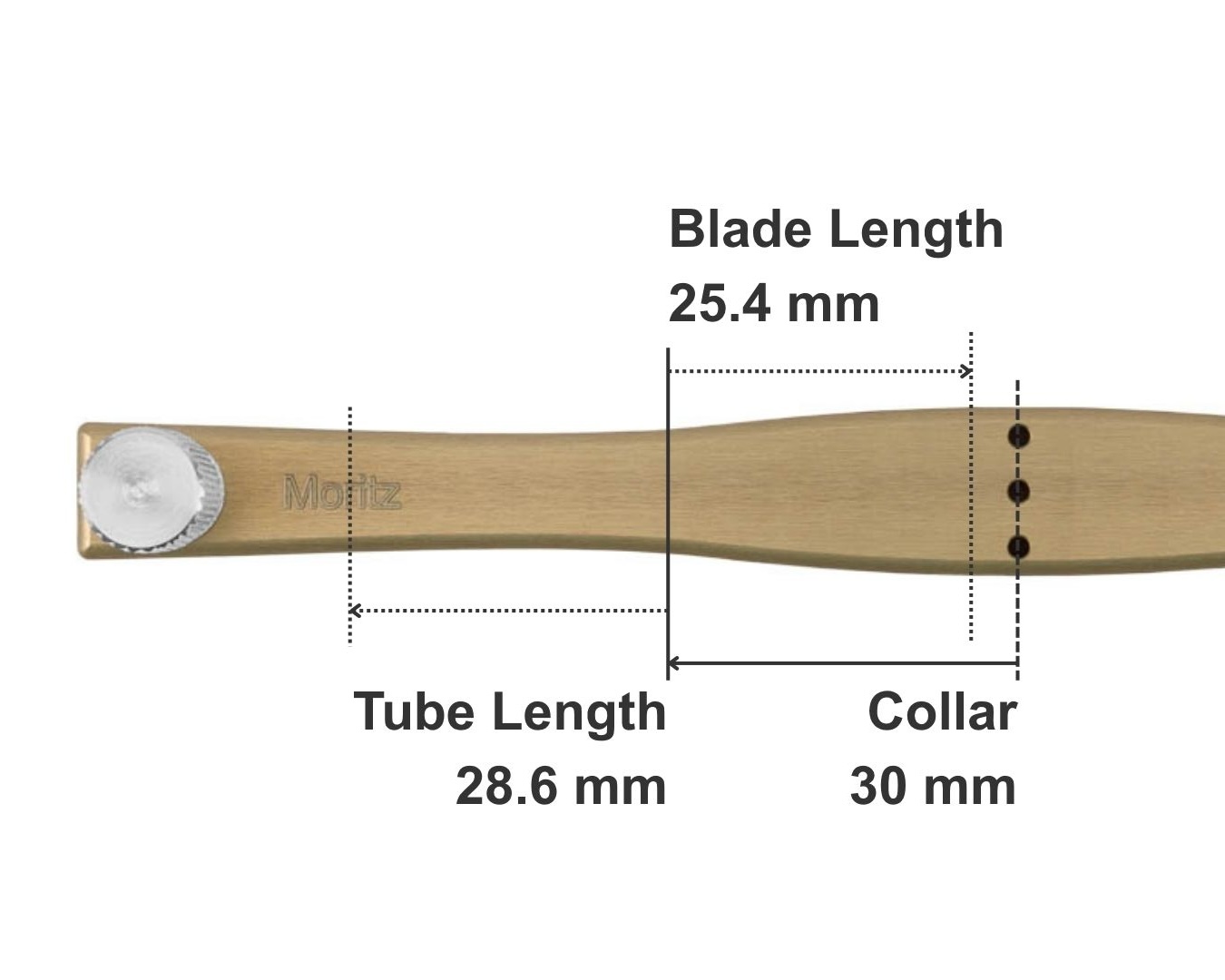
Original Reed Design
Moritz's original design calls for the blade to be clipped at a length of 25.4 mm, and the tube trimmed to 28.6 mm from the collar.
This can easily be done with the trimming guide for the reed guillotine.
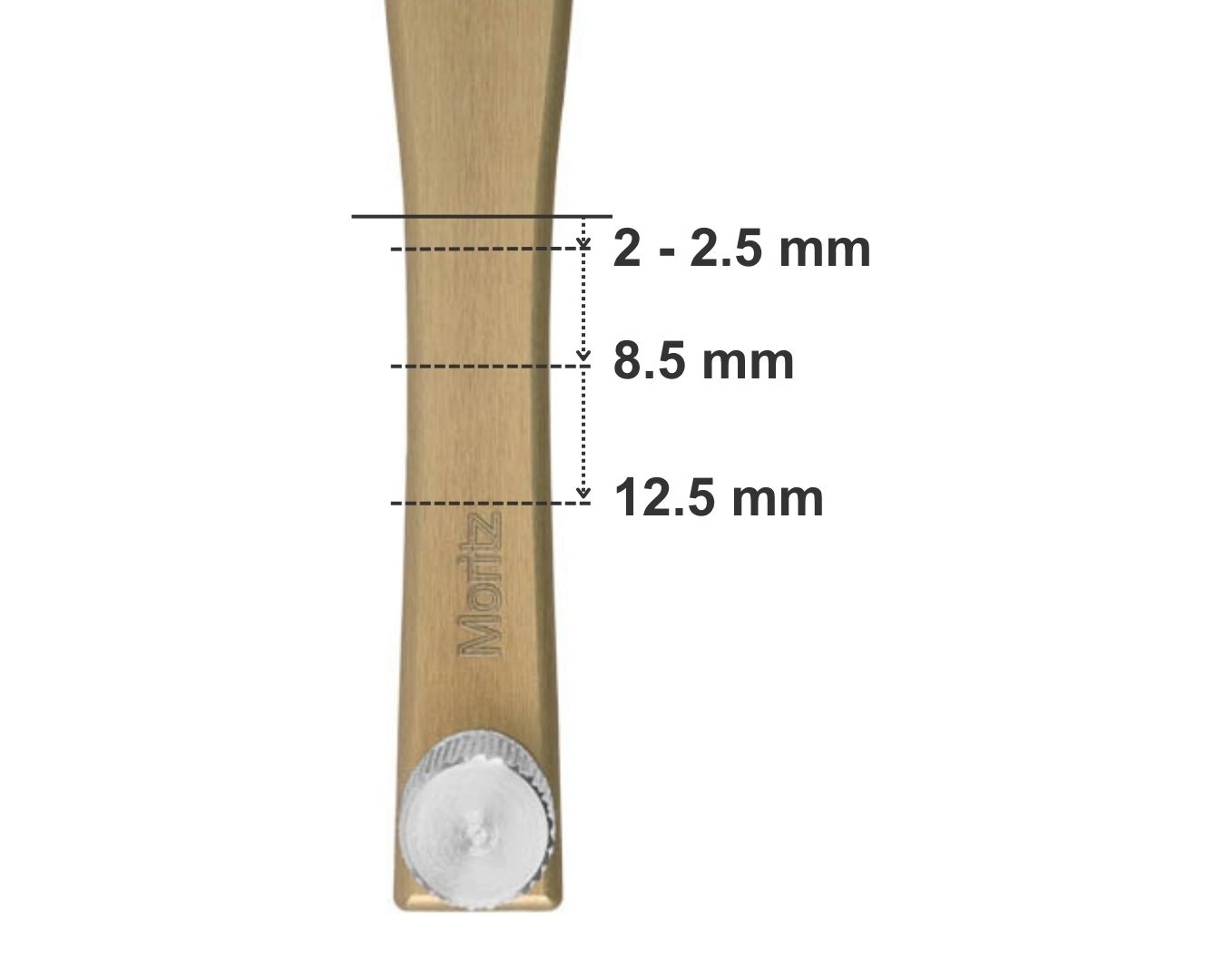
Wire Positioning
Moritz's original wire positioning for an optimal reed with this shape was as follows:
2 - 2.5 mm behind the collar
8.5 mm behind the 1st wire
12.5 mm behind the 2nd wire
Durable & Precise
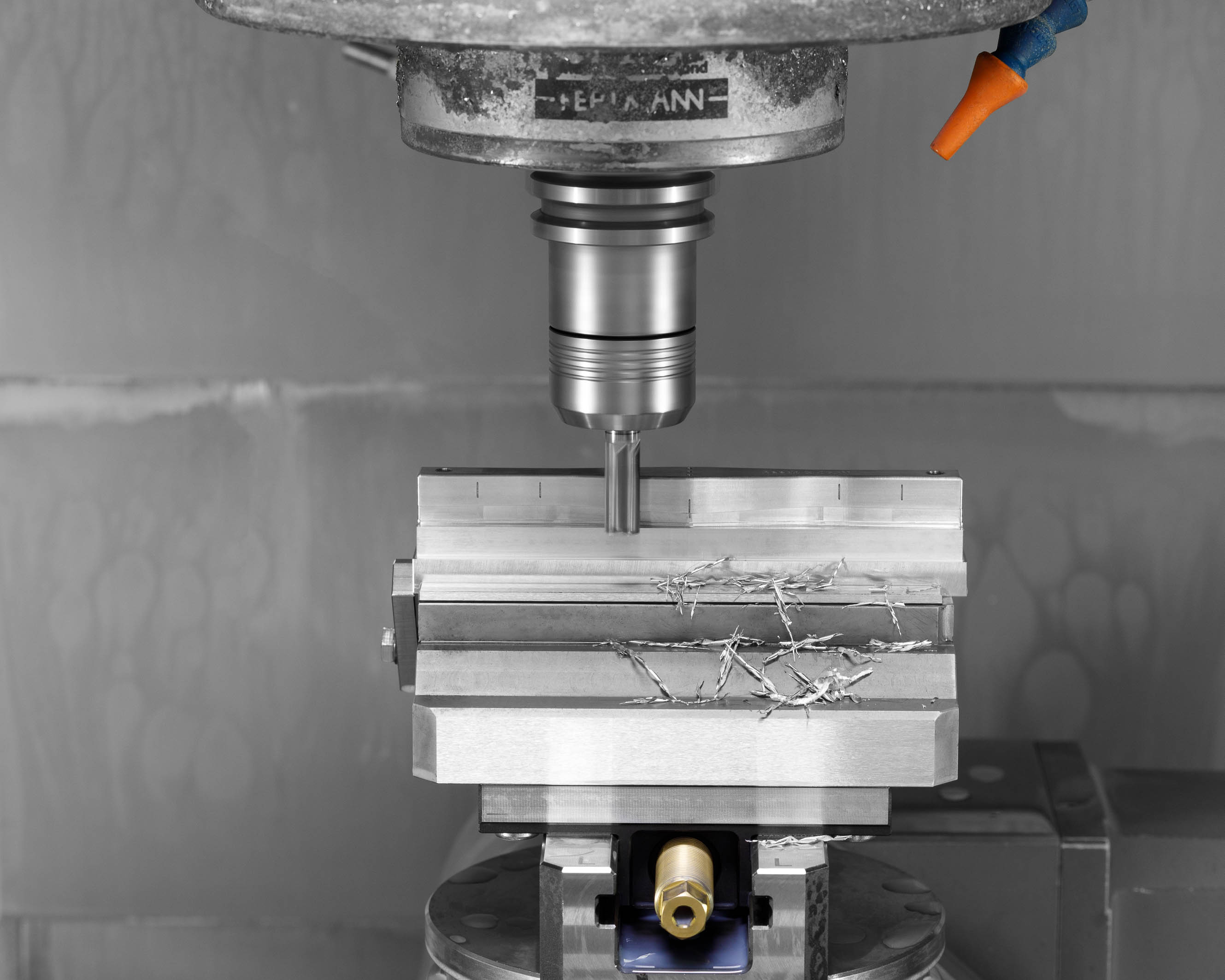
The production of our Straight Shapers requires the highest level of precision and involves several elaborate machining steps. Modern CNC technology ensures an exact contour and consistently high quality.
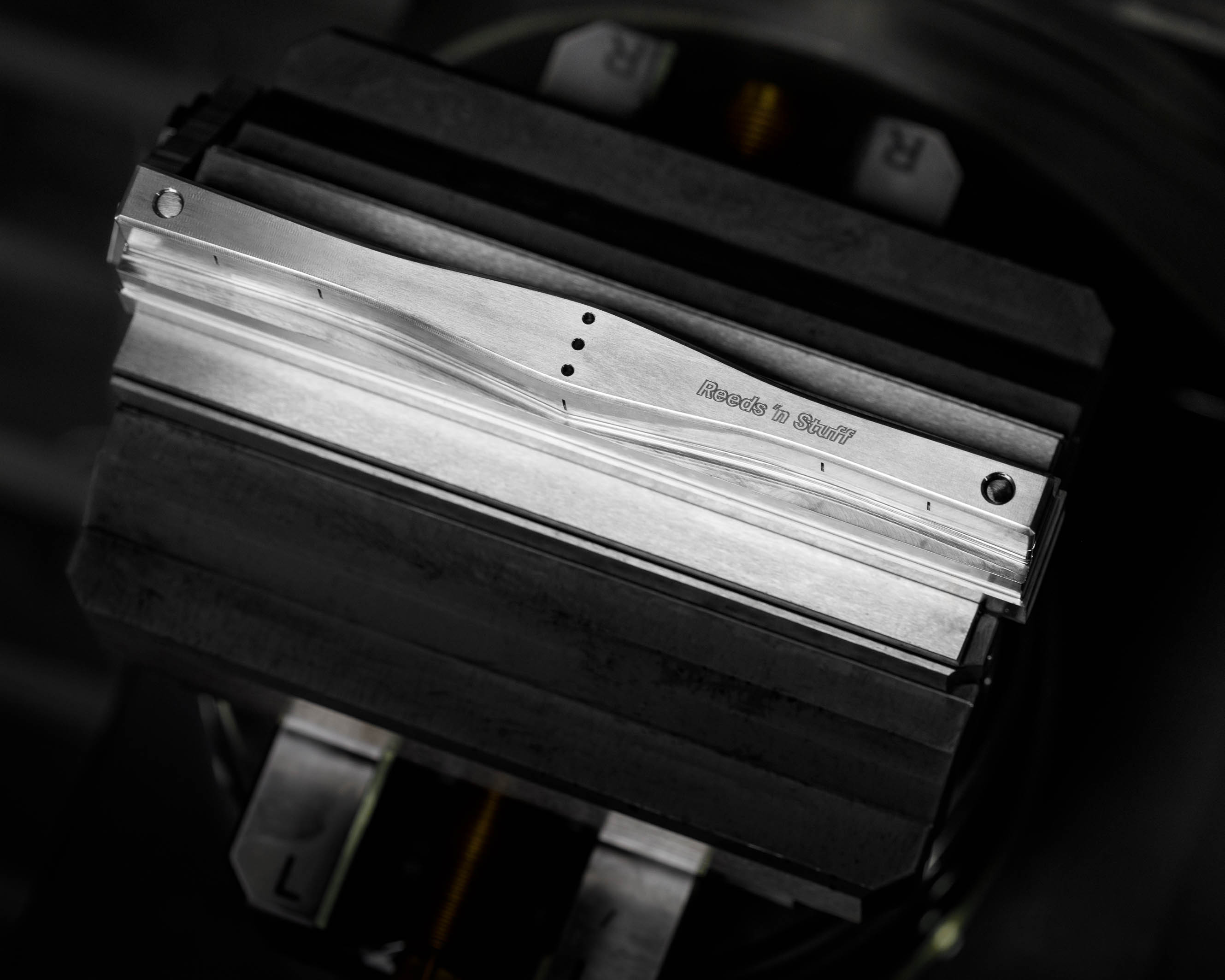
Combined with a specially tailored hardening process, this results in exceptionally dimensionally stable and durable tools. The result is a hand-operated reed shaper that enables precise, comfortable, and reproducible work.
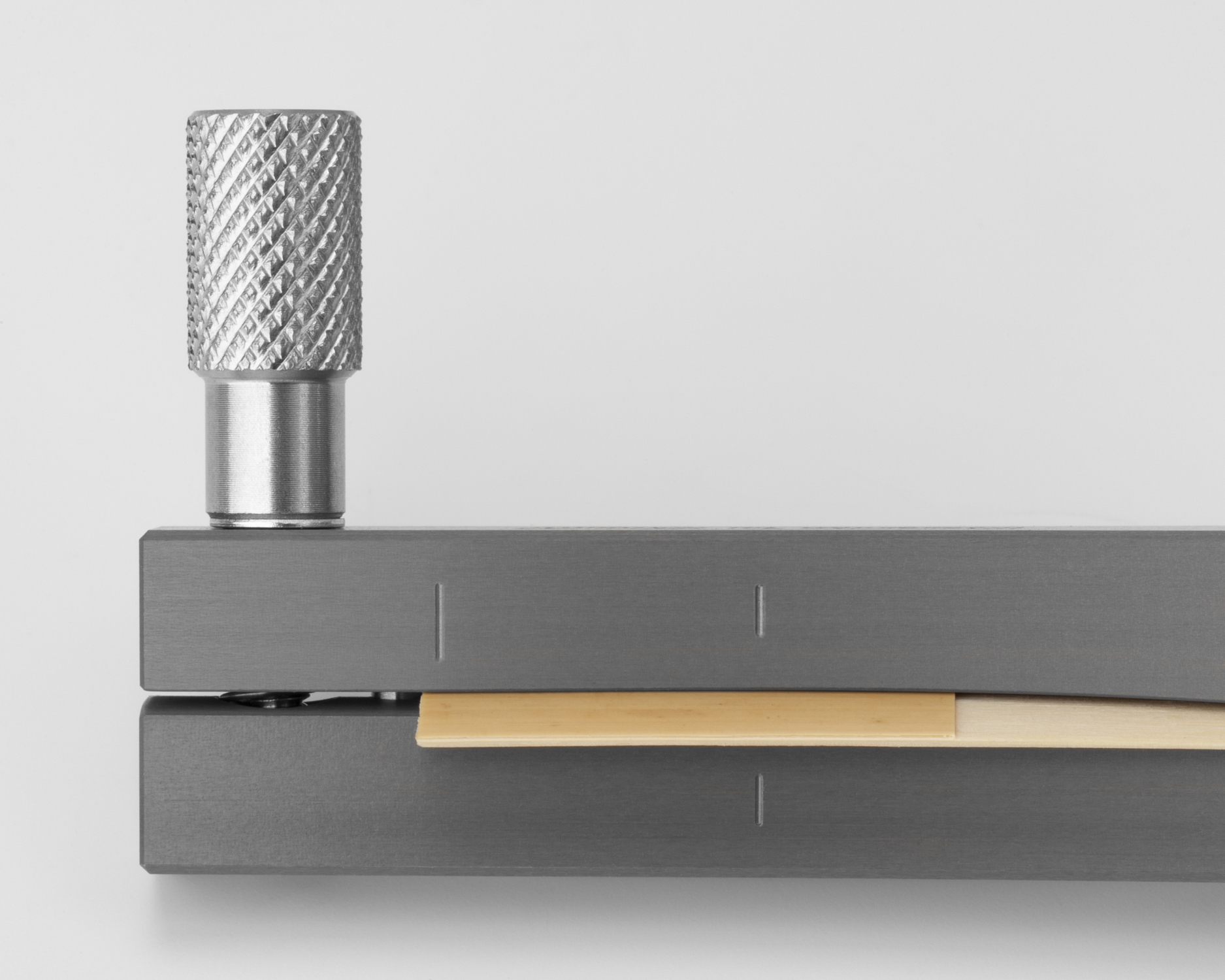
The pair of engraved lines on the sides mark the narrowest point of the shape and are an important tool for precise shaping. For optimal shape transfer, shape from both sides towards this narrowest point.
The outermost lines are to help center shorter cane (118 mm for bassoon, 148 mm for contrabassoon).

Thanks to the silicone tips, both gouged and profiled cane can be shaped.
The silicone tips secure the thinner parts of the profiled cane in the center and prevent the cane from slipping.
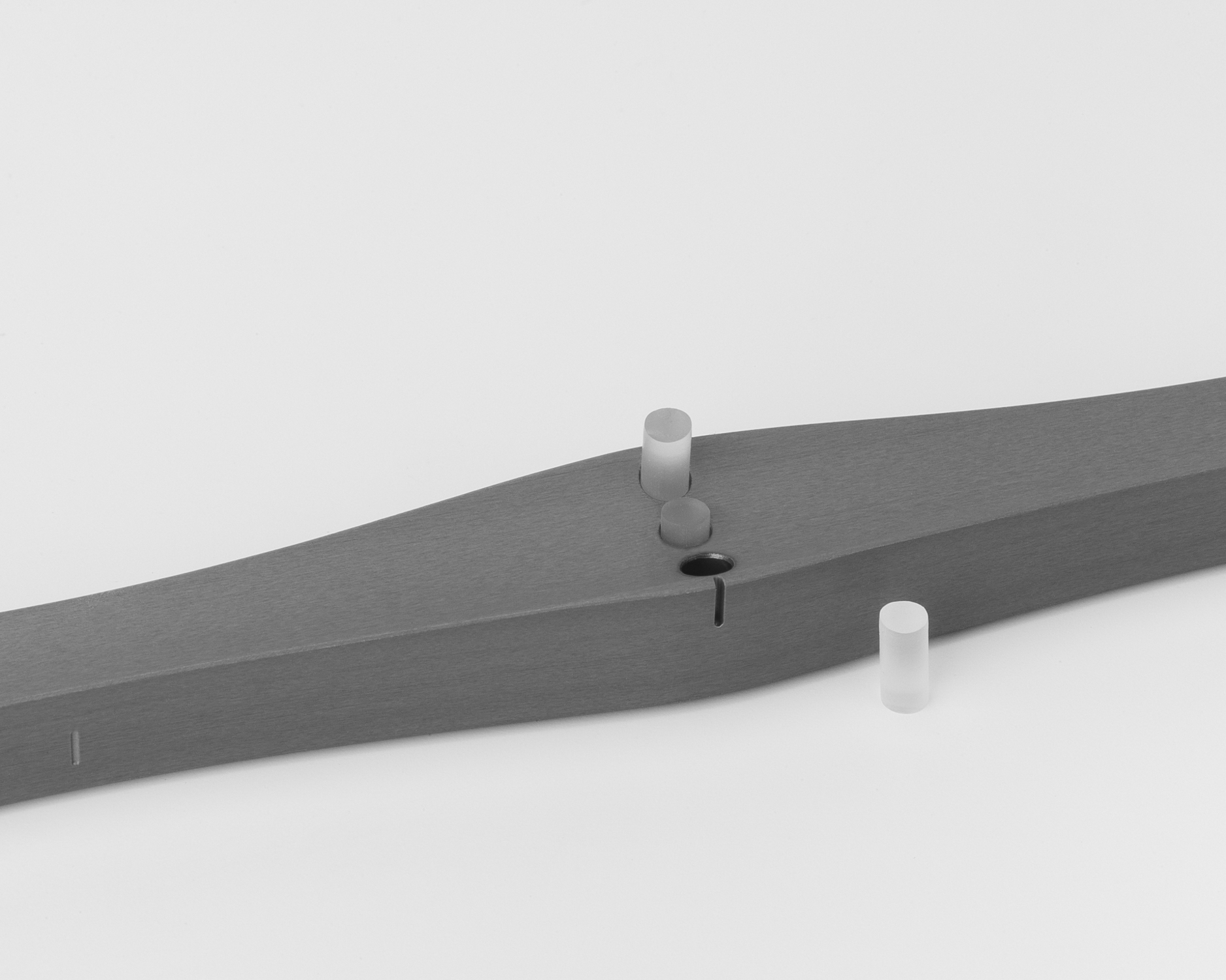
The silicone tips can be removed and replaced as desired, especially when shaping unprofiled cane.

Variety of Shapes
Our range of straight shapers impresses with an extraordinary variety of shapes. From classic to custom shapes, the different contours and designs provide precise results and maximum creative freedom.
View all handheld pattern cutters
- Size
- Instrument
- Bassoon
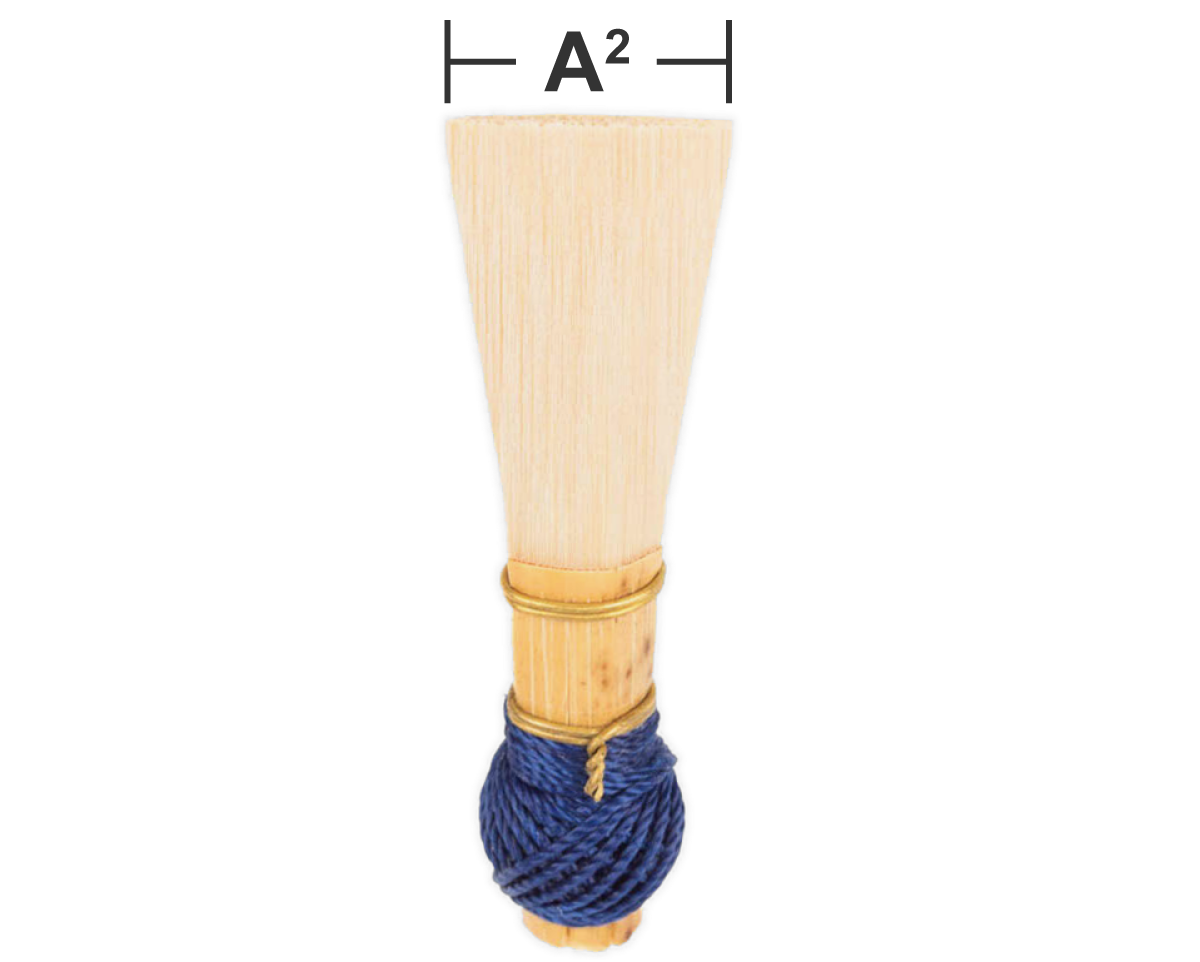
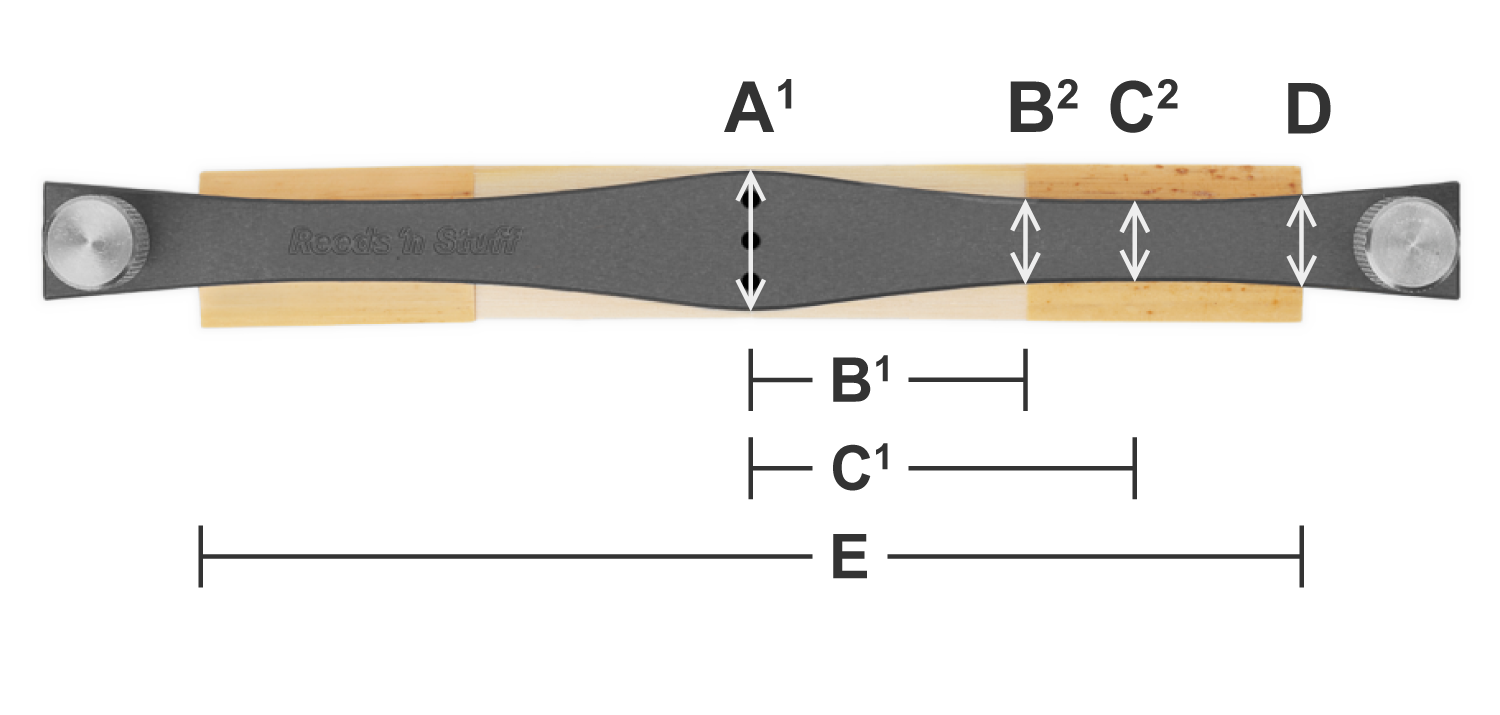
- A1
- 13.6
- A2
- 14.3
- B1
- 30
- B2
- 9.8
- C1
- 39.4
- C2
- 9.3
- D
- 10.2
- E
- 120
- Shaper Style
- Mechler
- Note
- Color deviations are possible. These are production-related and do not affect the function.
- Manufacturer
- Reeds 'n Stuff
- Country of origin
- Germany
- Product number
- 1205-000981205-00098
- Legal Guarantee
- According to German consumer protection laws, consumers are entitled to request, free of charge, that the seller repair or replace goods that are defective or do not conform to the purchase contract. Alternatively, consumers may be entitled to a price reduction or a refund of the purchase price. These rights apply for a period of two years from the date the goods are delivered to the consumer. For more information, please click
here.