

Adjusting Reeds with Dr. Christin Schillinger

Professor of Bassoon at Ithaca College
Hailed as a “soloist, teacher, and force of nature” by the journal of the International Double Reed Society, bassoonist Christin Schillinger specializes in the accessibility of the avant-garde, aiming to broaden the audience for both new music and bassoon. American Record Guide refers to her playing as “full of life and inspiration.” Her solo albums, Bassoon Unbounded (2018), Bassoon Transcended (2013), and Bassoon Surrounded (2009) showcase world-premiere recordings of contemporary works. Collaborative composers remark on Schillinger’s “natural interpretation” and “perfect musical choices.”
As a dedicated pedagogue, Schillinger authored the 2016 book Bassoon Reed Making (Indiana University Press). She is currently on faculty at Ithaca College, home of Ithaca Bassooniversity. Previously, Schillinger has held positions with Miami University, the University of Nevada, and various orchestras throughout the United States.
Introduction
The bassoon sings with the voice of an angel but the temperament of a grizzly bear, due largely to its noisemaker: the reed. The better our noisemakers, the better our noise.
Whether processing your own cane from tubes or buying finished reeds from a maker, having an arsenal of adjustment strategies will aid you in personalizing your reeds. This article gives you some blueprints for adjustment success!
These adjustment procedures assume you have a finished and sealing reed.
Visual Assessment
The Tip
Your ideal tip opening will likely vary based on reed design, air pressure, and performance demands. The following adjustments are meant to help you diagnose and remedy various deviations from the ideal.
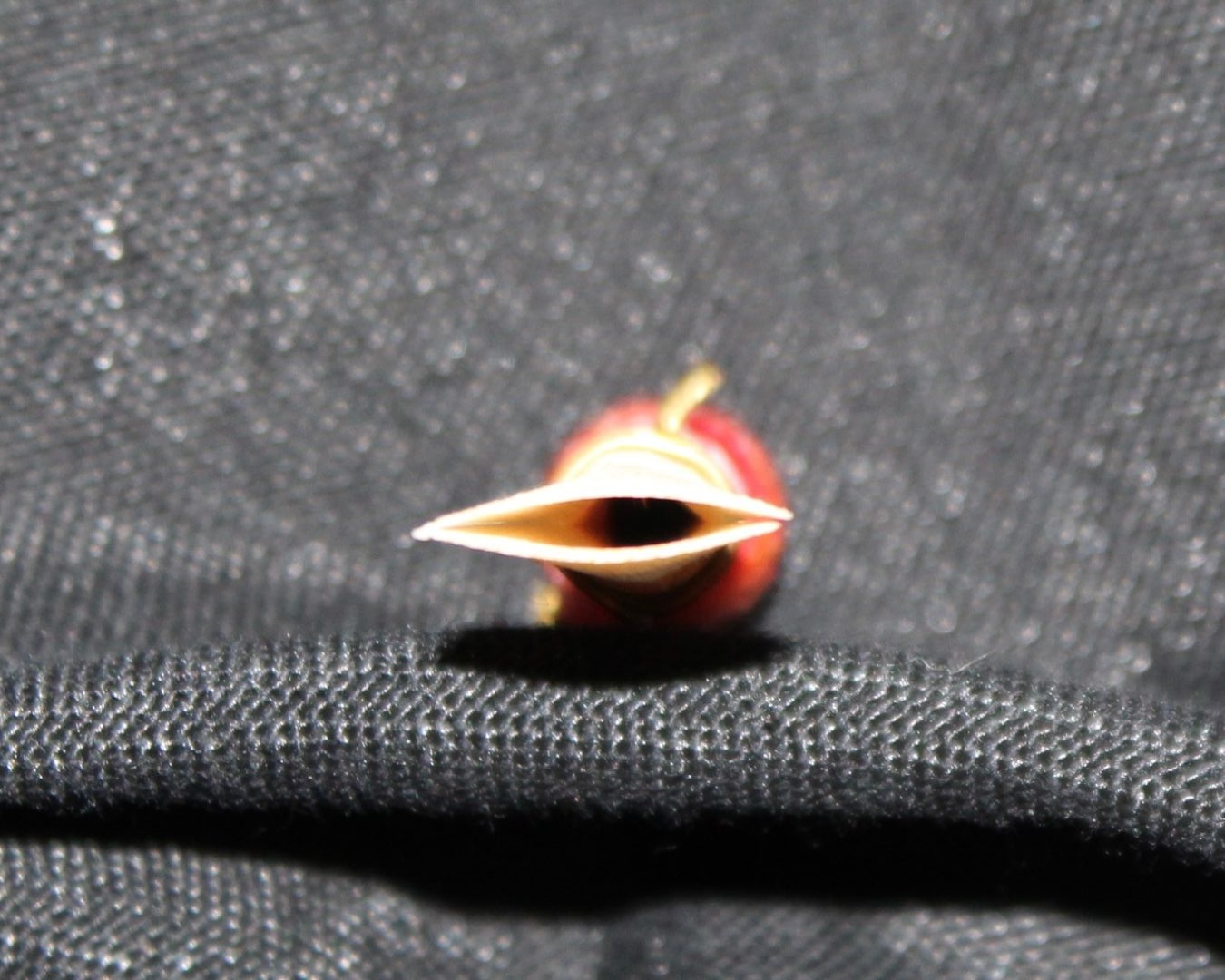
If the tip opening is too open, flatten the first wire in order to close the opening down to a more manageable aperture.
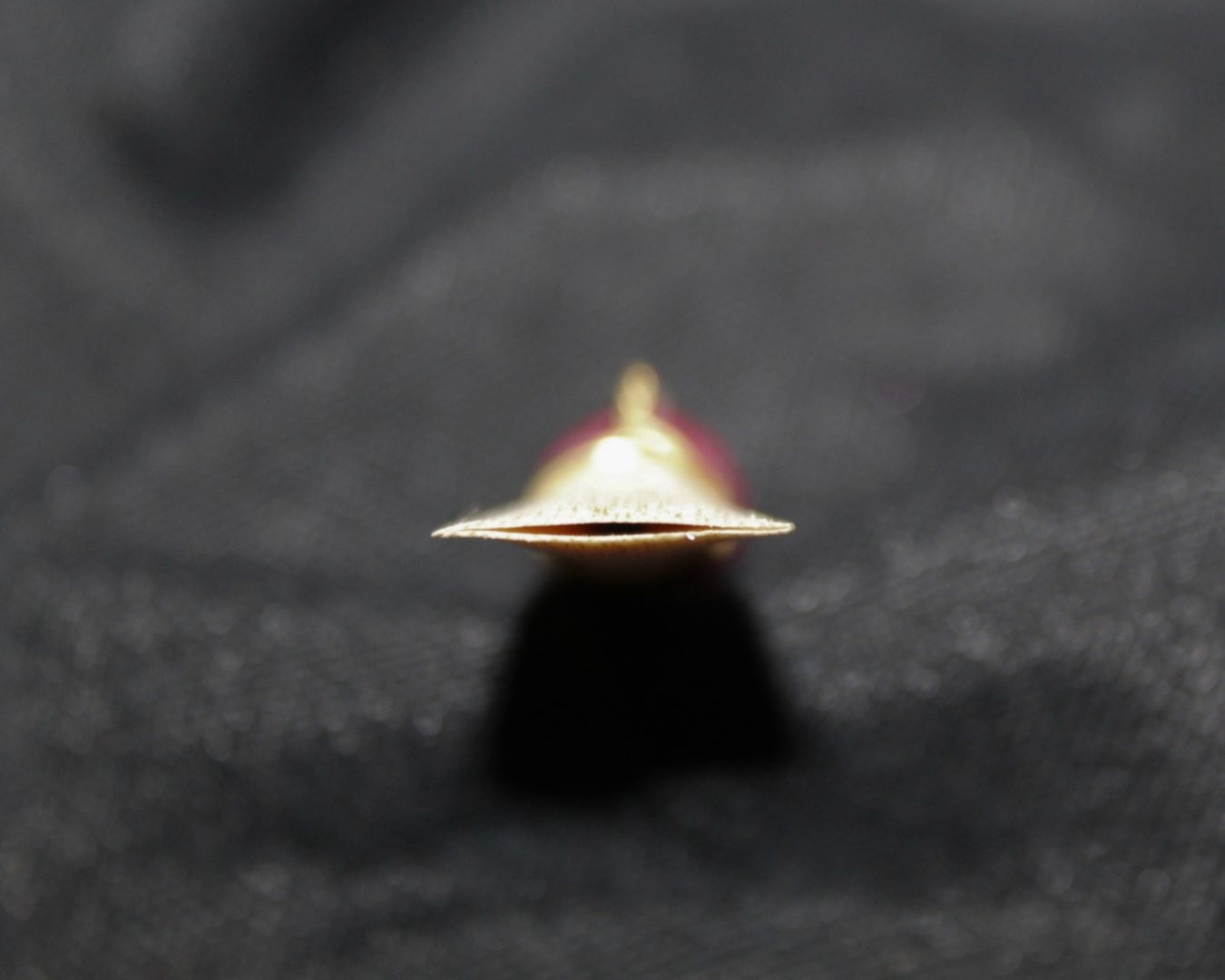
If the tip opening is too closed, round the first wire in order to open tip and allow more air through the reed.
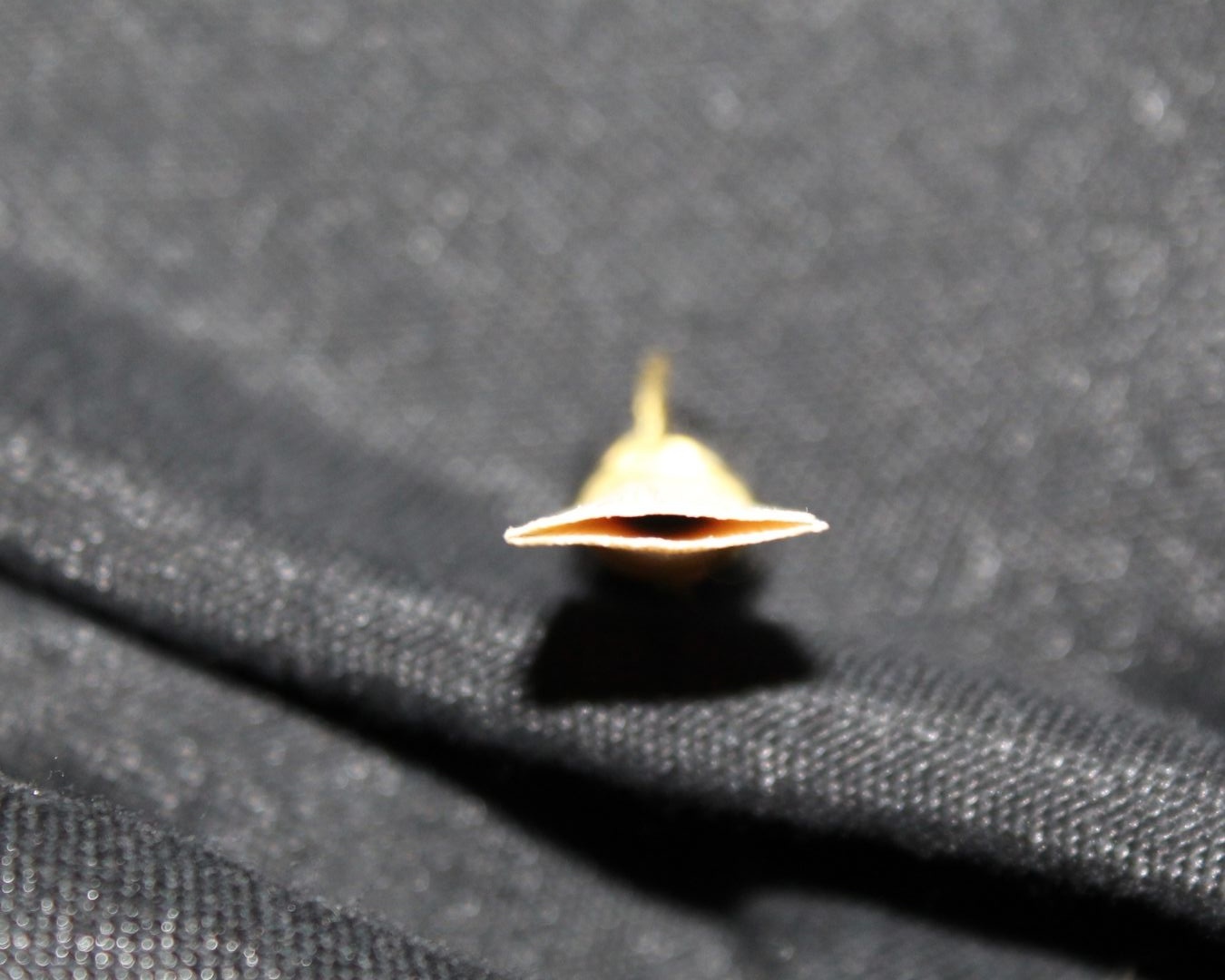
If the tip opening is too uneven, check the rails and channels for balance - then scrape as needed until the opening is symmetrical.
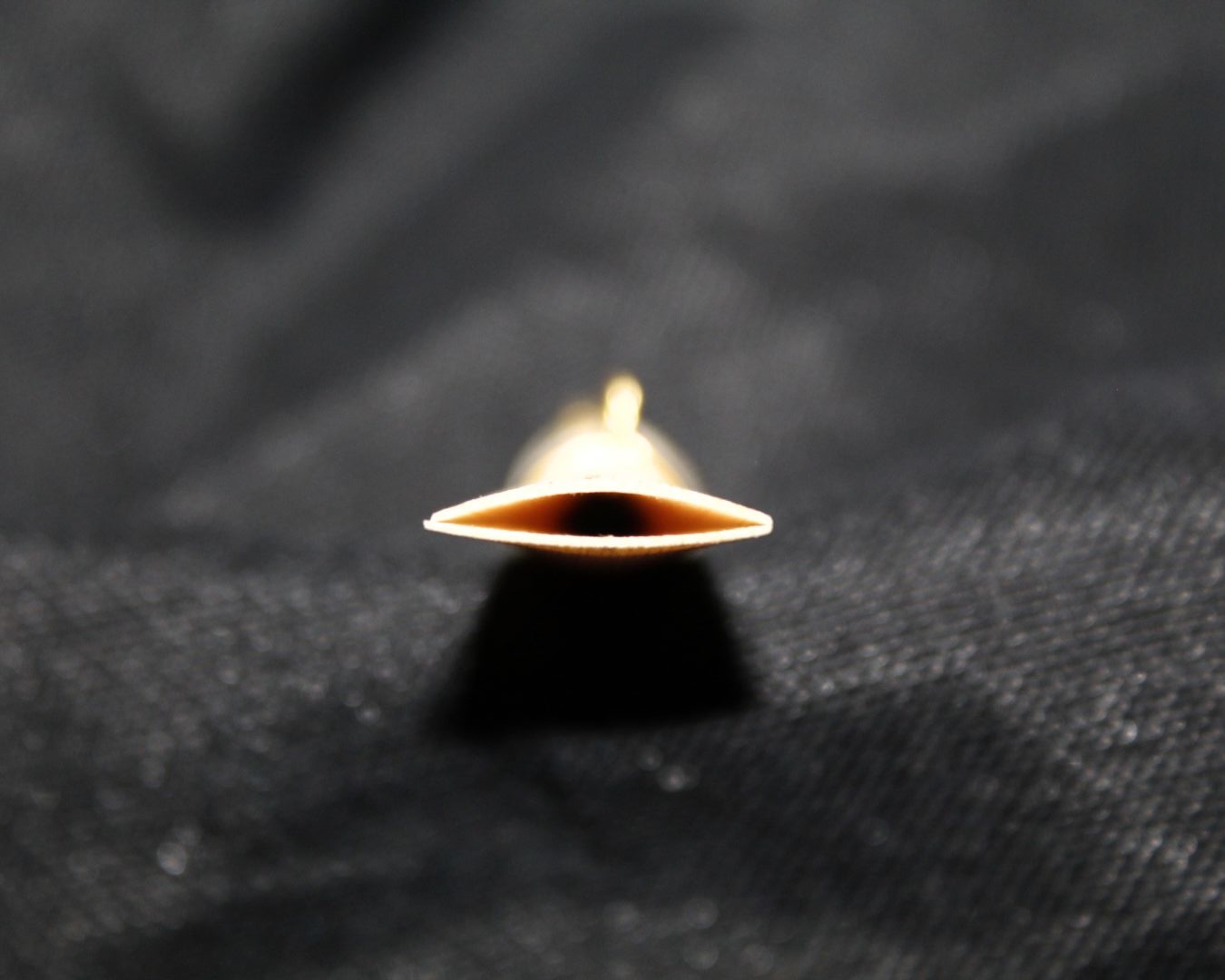
If one of the blades is round while the other is flat, discard this reed.
The Tube
Similarly, we should inspect the tubes of our reeds for various defects ensure we have the best possible chance of success.
First check if the wires are all in the correct positions. If not - then move them as needed.
If the wires are loose, tighten them so they are snug to the reed without strangling it. Should the tube be deformed, discard the reed.
Look inside the reed. If there is uncleanliness in the reed (fibers or splinters sticking out) then use a round file inside the tube to clean these out, as these will introduce unwanted resistance.
Is the collar straight, clean, and well defined? If not, use a razor blade and carefully redefine the collar.
The Crow
Crowing is the best sound assessment of the reed before added to the bassoon. To crow, use your bassoon embouchure and blow the reed at a mp to mf dynamic. Your ideal crow sound is a distinct and personal sound that can vary with reed design and performance design. As you grow accustomed to crowing, you will be able to select optimal reeds and/or make on the spot adjustments without your bassoon.
As you move through the steps below, stop and re-crow after each adjustment to re-assess before trying additional tasks. When thinning the reed, work with light, diminutive motions. Envision your scraping is “blending” rather than thinning.
| Problem | Solution |
|---|---|
| Too Responsive | Round wires Tighten wires Scrape the back of the channels thinner |
| Unresponsive | Flatten wires Scrape the tip thinner Scrape the front of the channels thinner Scrape the back of the reed thinner |
| Wild and Crazy | Ensure that the taper of the rails is even from back to front Scrape the front third of the rails thinner |
Fundamental Sounds
Play a two octave F-major scale, slurred up and articulated down. This can be followed by a full-range scale. Assess the reed with a focus on consistent, stable response in all ranges.
Response
| Problem Register | Solution |
|---|---|
| Overall | Repeat adjustments for the crow response |
| Low Register* | Thin out the back of the channels |
| Middle/Tenor Register | Thin out the heart and/or the corresponding channels |
| High Register* | Tighten the wires Thin out the rails |
*The lowest and highest ranges of the bassoon are inversely proportional. What helps one will impair the other. Many players prepare 1st bassoon and 2nd bassoon reeds to counter this issue.
Trouble Notes
| Problem Notes | Solution |
|---|---|
| Middle E and Open F are Flat | Clip the tip in small hairline segments, retesting between cuts |
| Middle E and Open F are Sharp | If these notes are sharp when played forcefully, scrape the extreme tip thinner. |
| Middle C# is Flat | Use the reamer and open up the tube a small amount. |
Advanced Tuning
Once a reed is responsive and broken in, use the following tests based on those by Mark Eubanks’ ‘Quick Guide to Bassoon Reed Tuning’ to stabilize the reed and tune it to your set up.
You should revisit these (and all) adjustments often, as the properties of a reed can change abruptly with climate.
Centering the Low/Middle Register
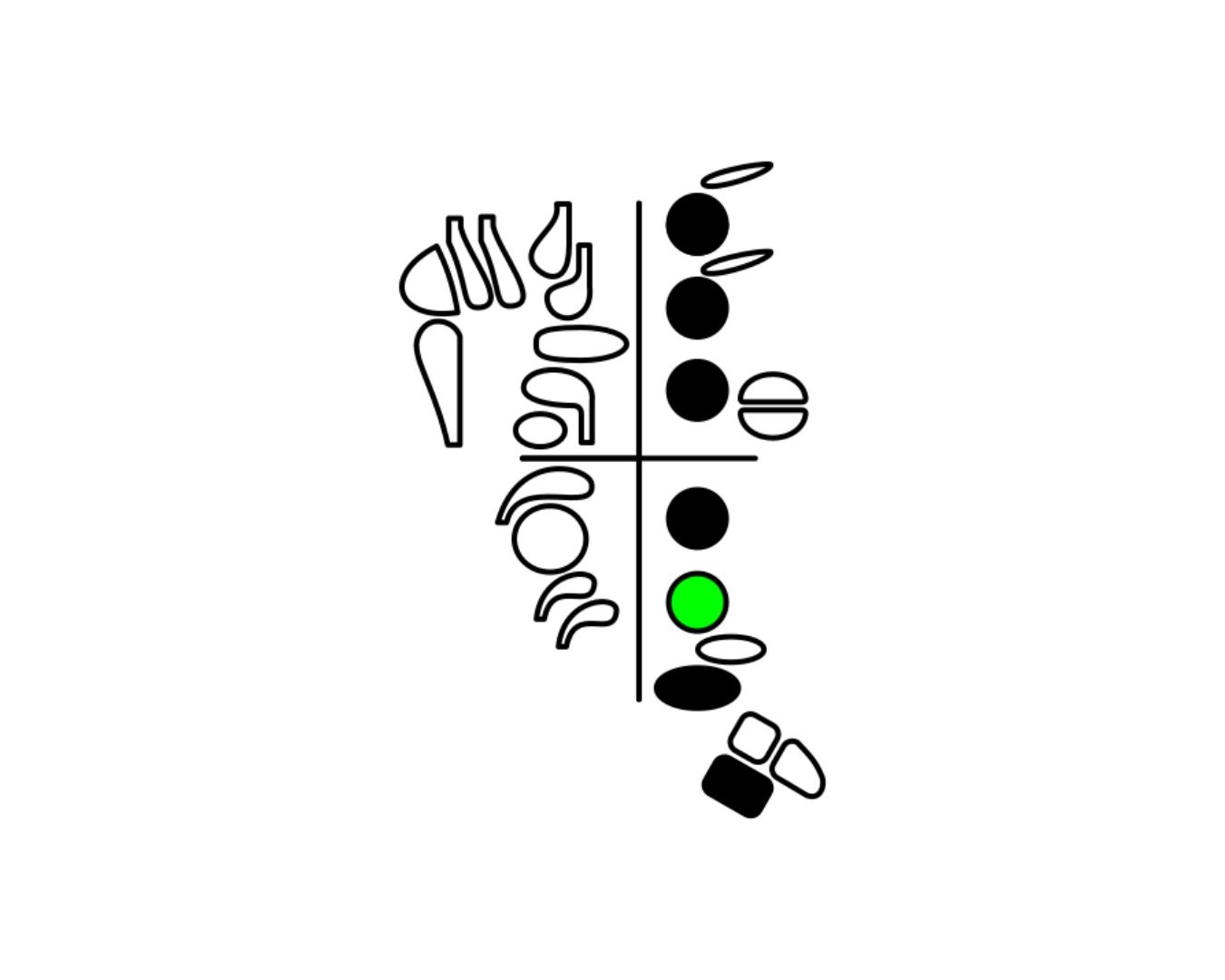
Using the trill fingering shown for an Ab-Bb trill, trilling the green tone hole. Listen for a clear sound.
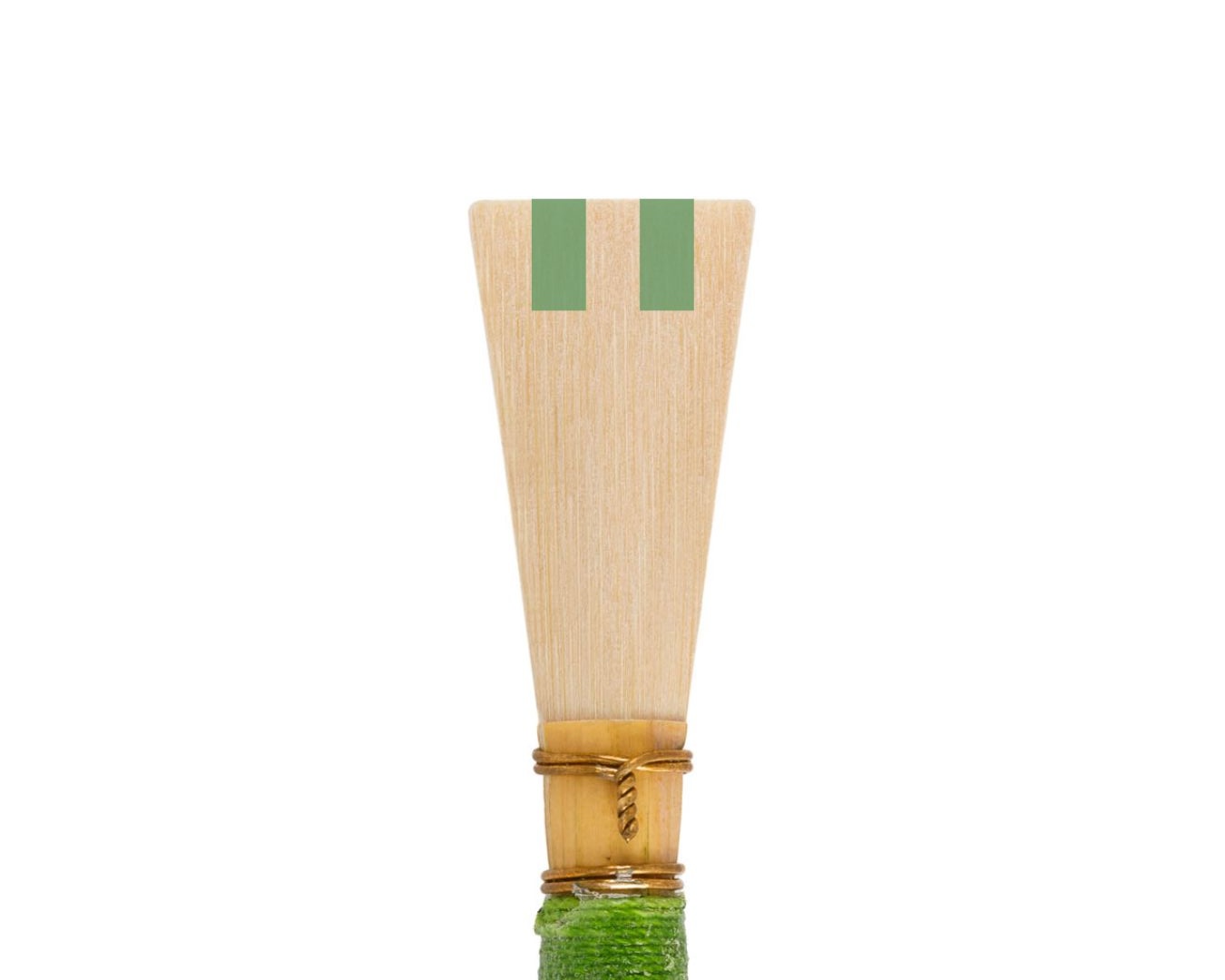
If it is unstable, scrape in the "ears" of the reed.
Centering the Low Register
Articulate and play the lowest notes of the bassoon, from low F down to Bb.
| Problem | Solution |
|---|---|
| Notes are Sharp | Flatten the wires Clean up the collar Scrape the back of the channels Scrape the back of the spine |
| Notes are Flat | Round the wires Tighten the wires |
Centering the Tenor Register
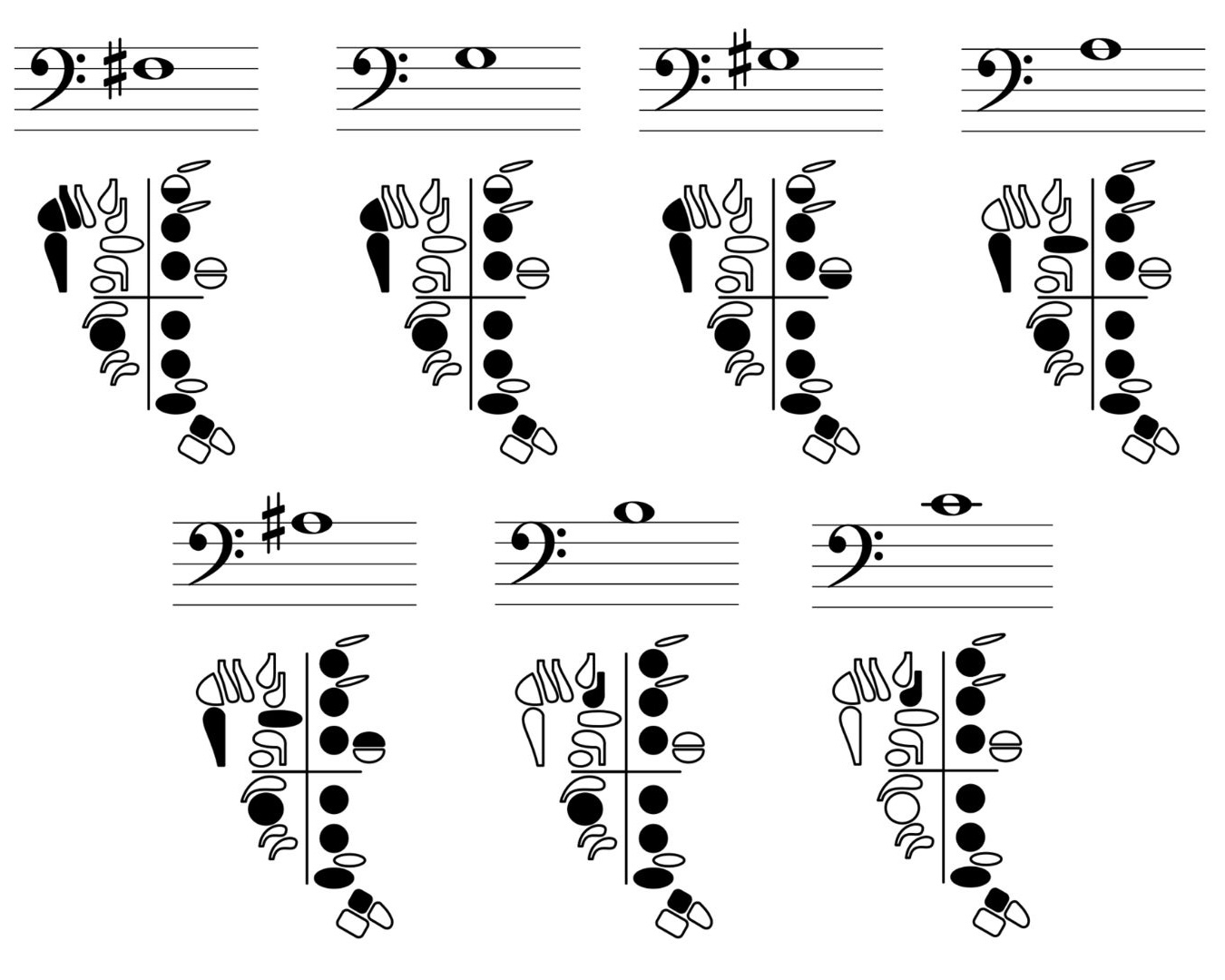
Alternate between the regular finger and the harmonic fingering for the following notes, listening for the pitch.
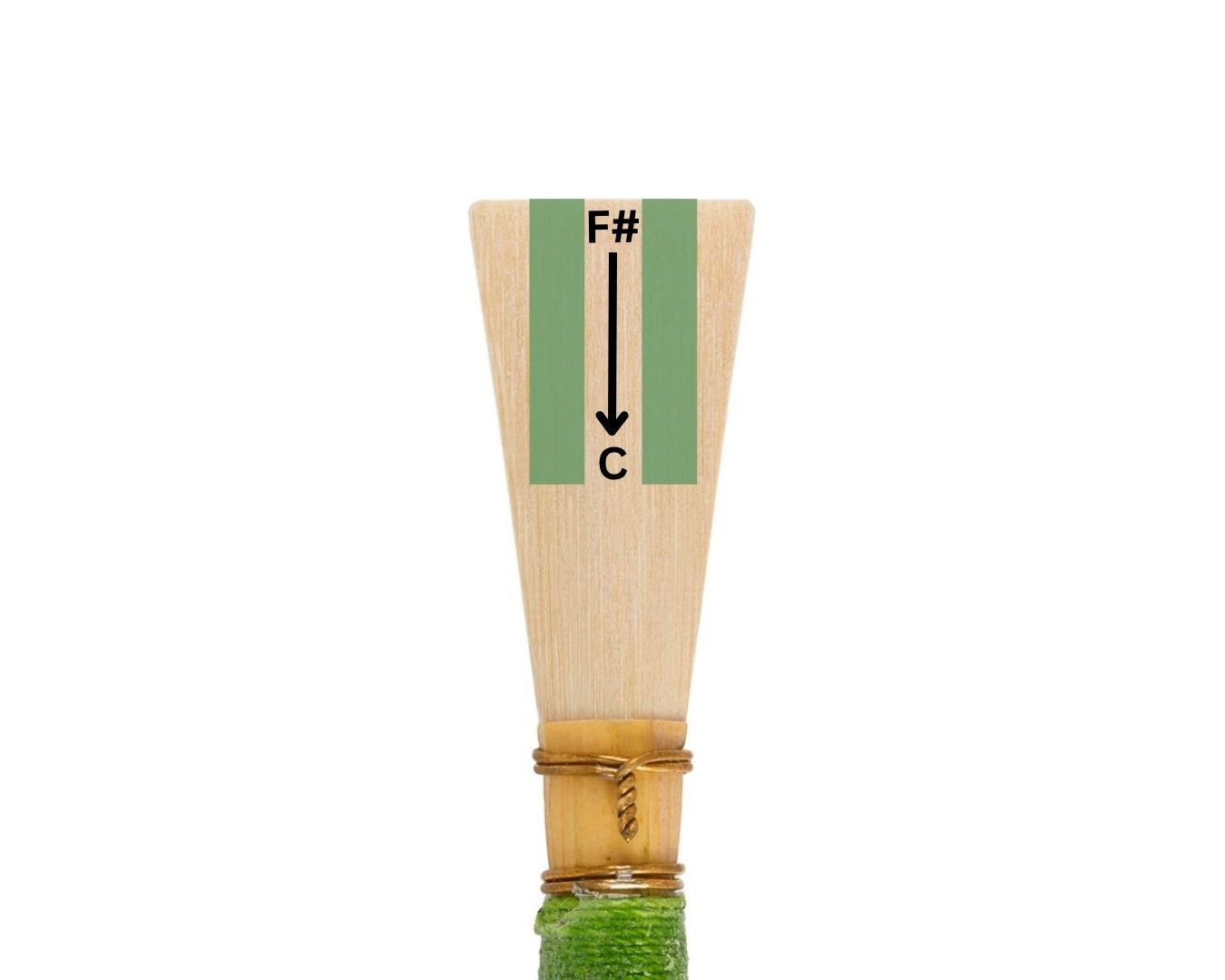
If the pitch of the harmonic is sharp, scrape at the corresponding location in the channel.
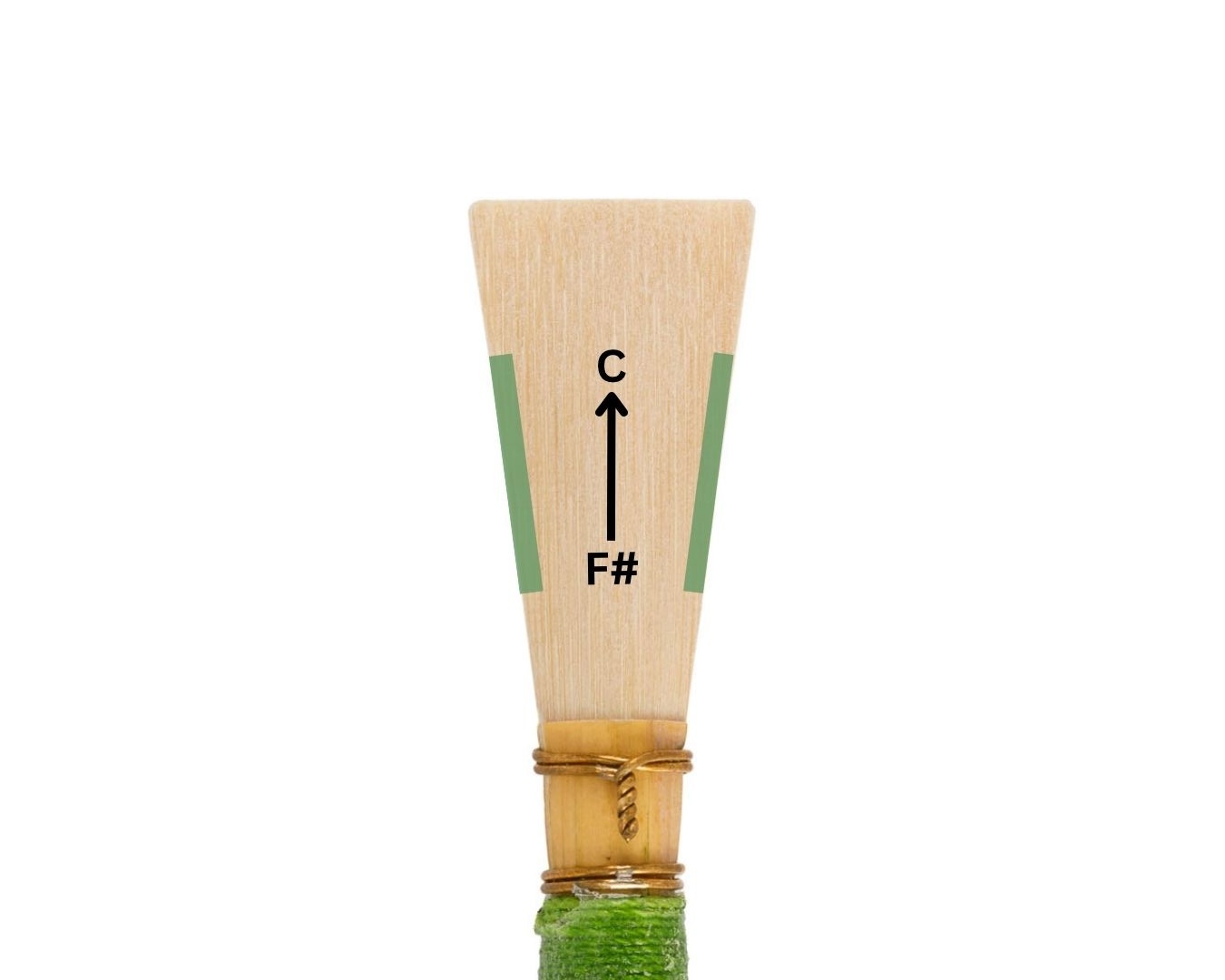
If the pitch of the harmonic is flat, scrape at the corresponding location on the rails.
With these accessible adjustments, you can tame the grizzly and find your voice. Take note of the adjustments you most frequently use. These can inform your initial reed making as you tailor a design personalized to your needs. You, too, can trust your reeds!
2026年09月24日
Interview Bassoon Tips-and-Tricks