

Reed Management with Armand Djikoloum
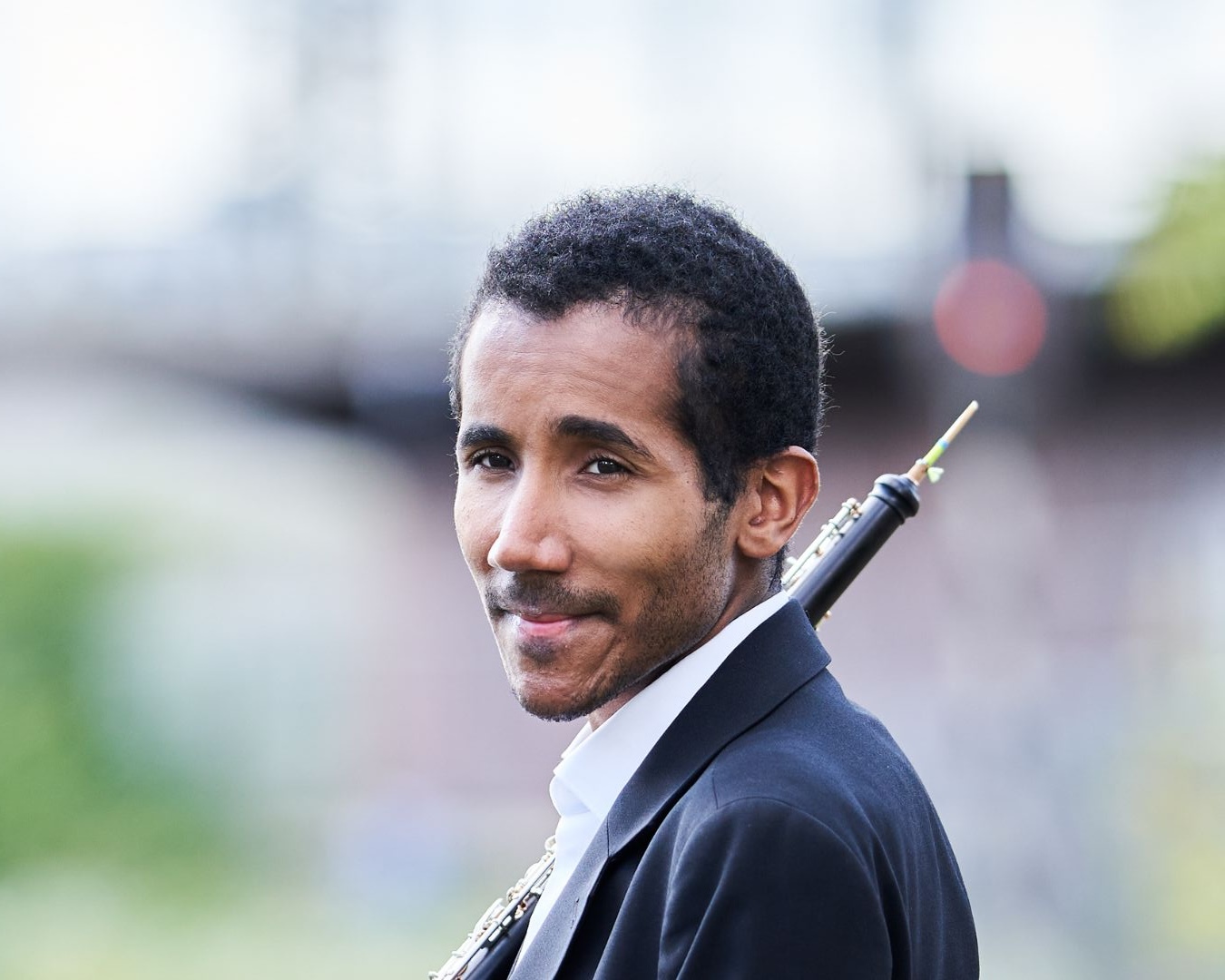
Orchestral Oboist, Chamber Musician, Recitalist – Armand Djikoloum was appointed Principal Oboist of the Hannover Staatsoper at the age of 22 and has also held the same position with the Hamburg State Opera. He regularly appears as guest principal with leading orchestras including Staatskapelle Dresden, Frankfurt Opera, Frankfurt Radio Symphony, NDR Radiophilharmonie, Southwest German Radio Orchestra, Bavarian State Opera, Oslo Opera, and is a prize winner at several major international competitions.
A YCAT International Artist, he performs regularly with Kaleidoscope Chamber Collective and is an active chamber musician and recitalist, appearing at Wigmore Hall and major international festivals. He has given masterclasses at the Royal Welsh College of Music & Drama, Guildhall School of Music & Drama, Royal College of Music and worked with students from the Benedetti Foundation.
Life Cycle of a Reed
I have been fortunate to pursue a wide range of oboe work, from opera and symphonic repertoire to chamber music and solo performance. Much of this involves travelling on the day of concerts - particularly for recitals - which presents unique challenges for an oboist. With modest reed-making skills, I have learned to adapt creatively and practically to demanding performance conditions.
My reeds go through a particular life cycle of usage in order to both maximize its usability and make sure I have reeds with the appropriate qualities for my needs.

First, I will play on the reed for one half of a rehearsal - typically about an hour or so of playing. While the reed still has enough strength to survive operas and the air conditioning in the pit I will use it for performances in the pit. Once the reed starts to lose a bit of strength I will start using it exclusively for symphonic performances where a slightly stronger reed is not necessary but the reed's pit performance days are over. After that I will spare this reed for chamber music concerts or recitals (often I will not even use it to rehearse for the recital on that day and just check that it still works). In that state, and if used sparingly, they can last a few more months.
Armand's Tips for Travel and Consistency
Reed Storage
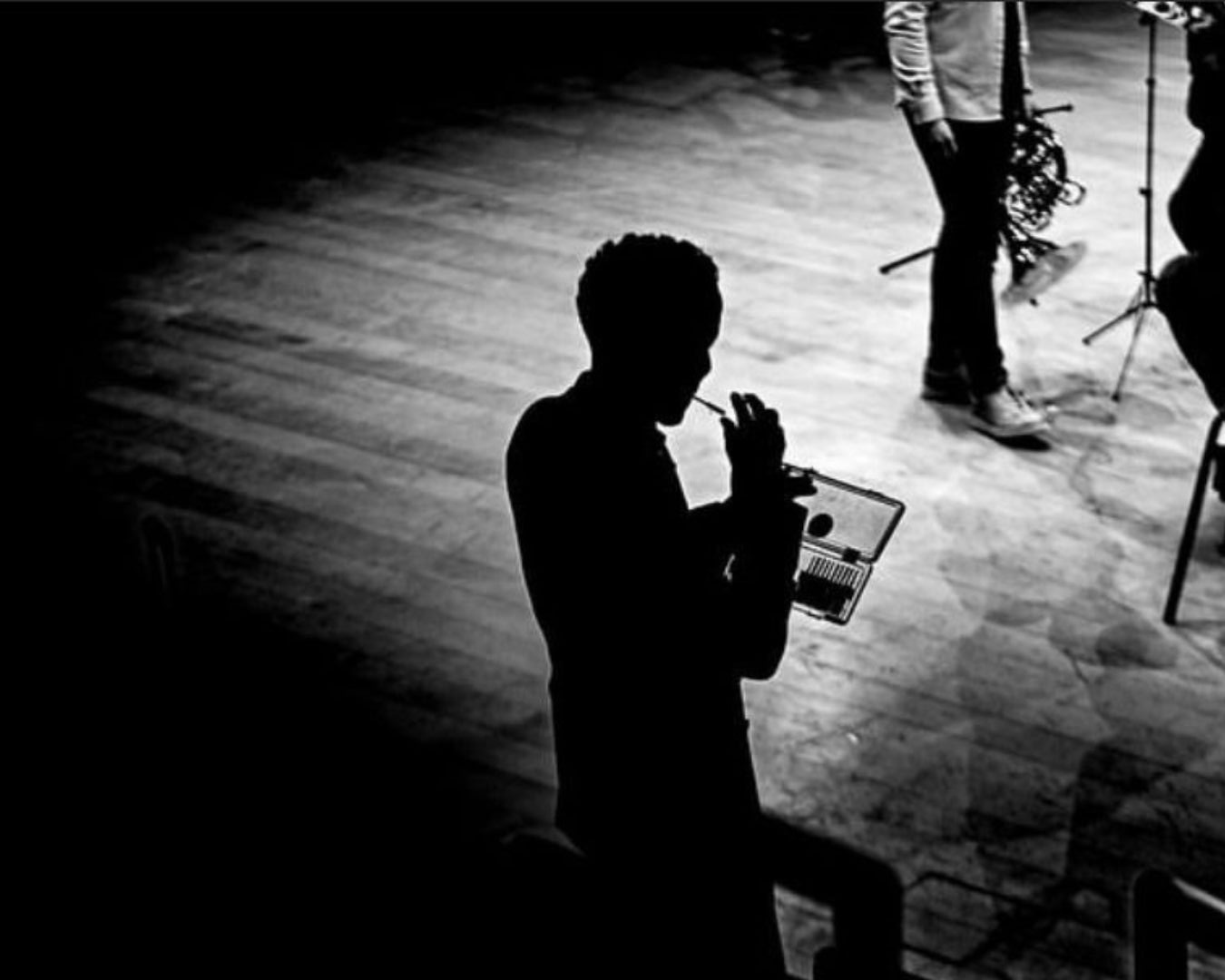
Reeds that are still developing are stored in non-airtight wooden reed cases, allowing them to respond naturally to temperature and time.
Finished reeds are kept in humidity-controlled cases, with the aim of keeping conditions as stable as possible and minimizing exposure to external changes.
Flying With Reeds
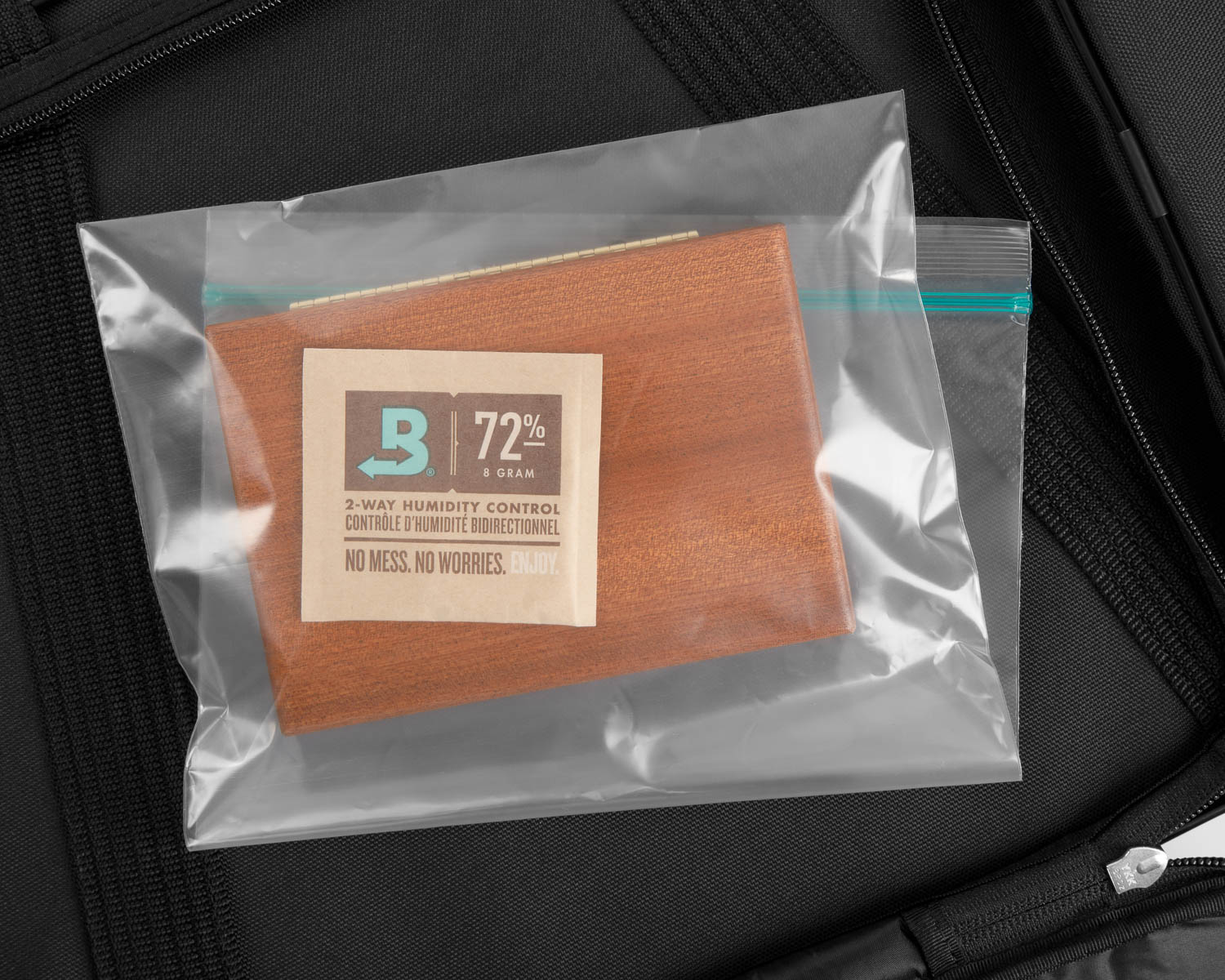
When flying, I always store reed cases in sealed plastic bags and close the vent on my Hygrocase - a simple but essential step to seal in humidity and protect them in transit.
Rotating Reeds
Over the years, I have learned to preserve my best reeds by not overplaying them. The goal is to extend their usable life. For example, a single reed might last only three concerts if played for a three-hour opera, but rotating two reeds - one before the intermission, one after - can allow 10 – 12 performances without reaching a breaking point.
Keeping Old Reeds
Balancing multiple activities and hobbies means less time for reed-making. Early on, I would try to adjust reeds immediately, sometimes overworking them. Over time, I have learned to store reeds that aren’t perfect - provided they aren’t crossed, leaking, cracked, or too low in pitch - as they may become ideal for future recitals or different climates.
Maintaining Consistency
I try as much as possible to keep some consistency in my reeds so that I can put aside quickly the ones that have potential and not lose too much time on those which are hopeless. Over the years I have found that a medium density/hardness was what was working the best for me so I either use the density tester or the R'S hardness tester (I will use anything from 0,60 – 0.67 on the density tester and 8 – 12.5 on the hardness tester).
I then use the R'S profiling machine to do a basic scrape - playable but on the hard side - and then will leave the reeds for some time to develop. This takes at minimum 1 week and can last up to 3 months. Then I will profile the reed again before finishing it by hand - preferably in concert halls or in the pit.
Headshot Copyright © Kaupo Kikkas
Orchestra Photo Copyright © Oliver Killig
Backstage Photo Copyright © Sven-Kristian Wolf
2026年04月27日
Interview Oboe Tips-and-Tricks