

Reed Adjustments with Dr. Eurídice Álvarez

Associate Professor of Oboe at Baylor University
Dr. Eurídice Álvarez is the Associate Professor of Oboe at Baylor University. Through performing, university teaching and master class presentations, both nationally and internationally, she is recognized as an outstanding musician and pedagogue. She previously taught at Nazareth College, Houghton College, the University of Southern Mississippi and the University of Northern Colorado. She has toured, performed and/or presented master classes in Panama, Honduras, Costa Rica, Guatemala, Thailand, Bahamas, and in many states within the U.S.
Dr. Álvarez is the co-founder of Honduras Oboe Project Education, Inc. (HOPE), a non-profit organization that promotes the instrumental education of the oboe in Honduras. She is an active member of the Central American and Panama Double Reed Conference, and a Marigaux artist.
Adjusting for Specific Issues
The following adjustment guide for American style reeds is what I use when teaching reed making to my students. It addresses many of the primary issues oboists may come across, including changes in climate, and how to solve them while also providing tips on how to best achieve these results.
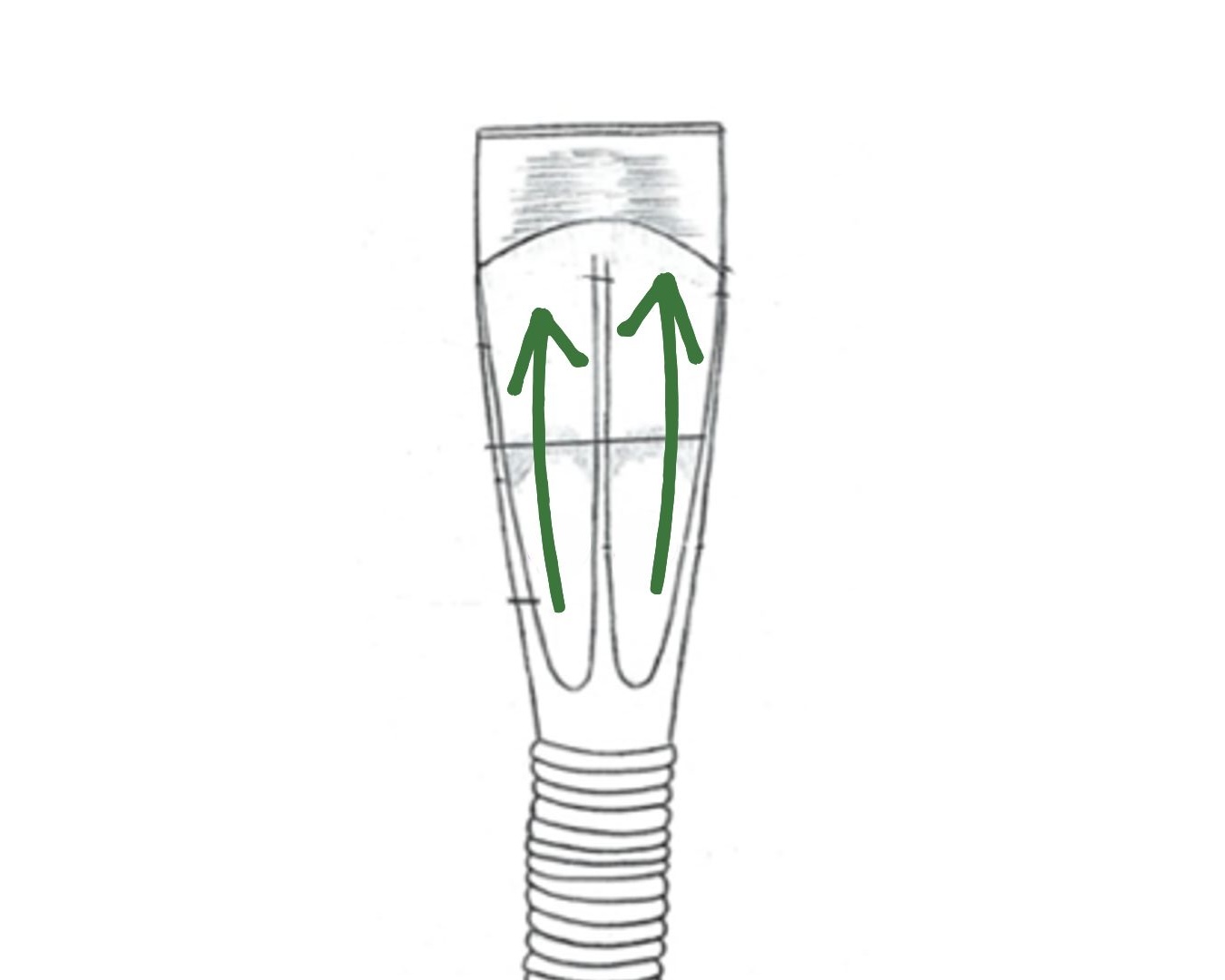
Reed is too hard to blow
Scrape two or three small layers of cane from bottom of the windows all the way to the top of the heart.
Tip: scrape with a very sharp knife, like dusting the reed. Be sure is just on the surface of the reed. Scrape away from the spine. The more resistant the reed the more layers you can scrape.
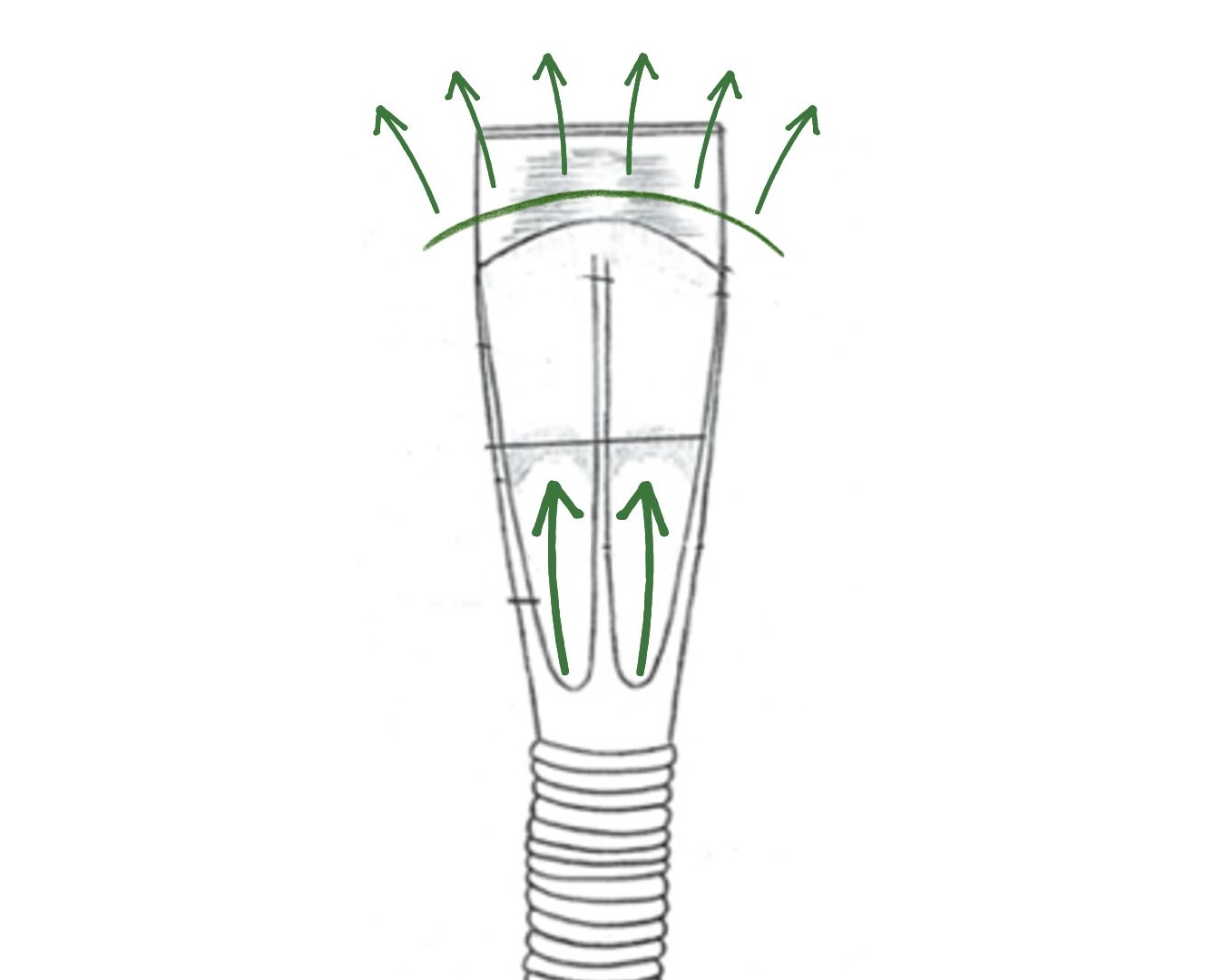
Pitch is flat
a. Scrape out a bit in the bottom and middle of the windows.
b. Scrape out on top of the tip, when scraping here the crow will go flat, then clip the tip, a tiny millimeter. Preferable using a razor blade. (You can try both a and b techniques together or separately, and see which works best).
c. Make sure the blades are slipped. You might need to push them back into place.

Low notes don’t speak well, or crow is too sharp
a. Be sure there’s not too much bark in the reed overall or in the rails.
b. Scrape out from the corners of the of the tip. Be sure the V is well defined and in an angular.
c. Try scraping out three times in the very bottom of the back.
Try a, b and c techniques together or separately.
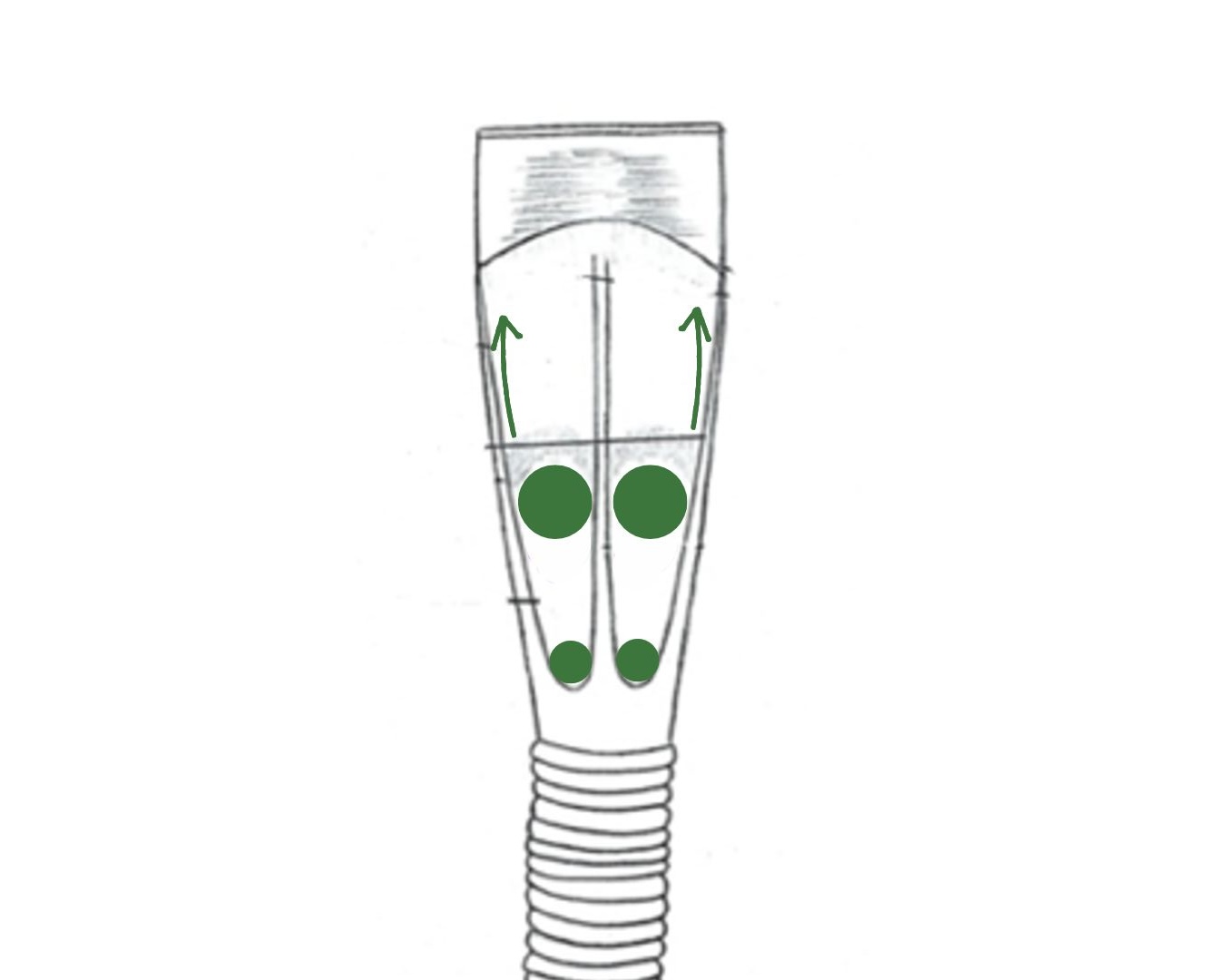
Pitch is sharp
a. Try scraping out three or four layers right below the heart. This will close the reed a bit, add darkness, and make it a bit more resistant.
b. Scrape out on the sides of the heart, without taking the rails off
c. Scrape out twice or three times in the very bottom of the windows.
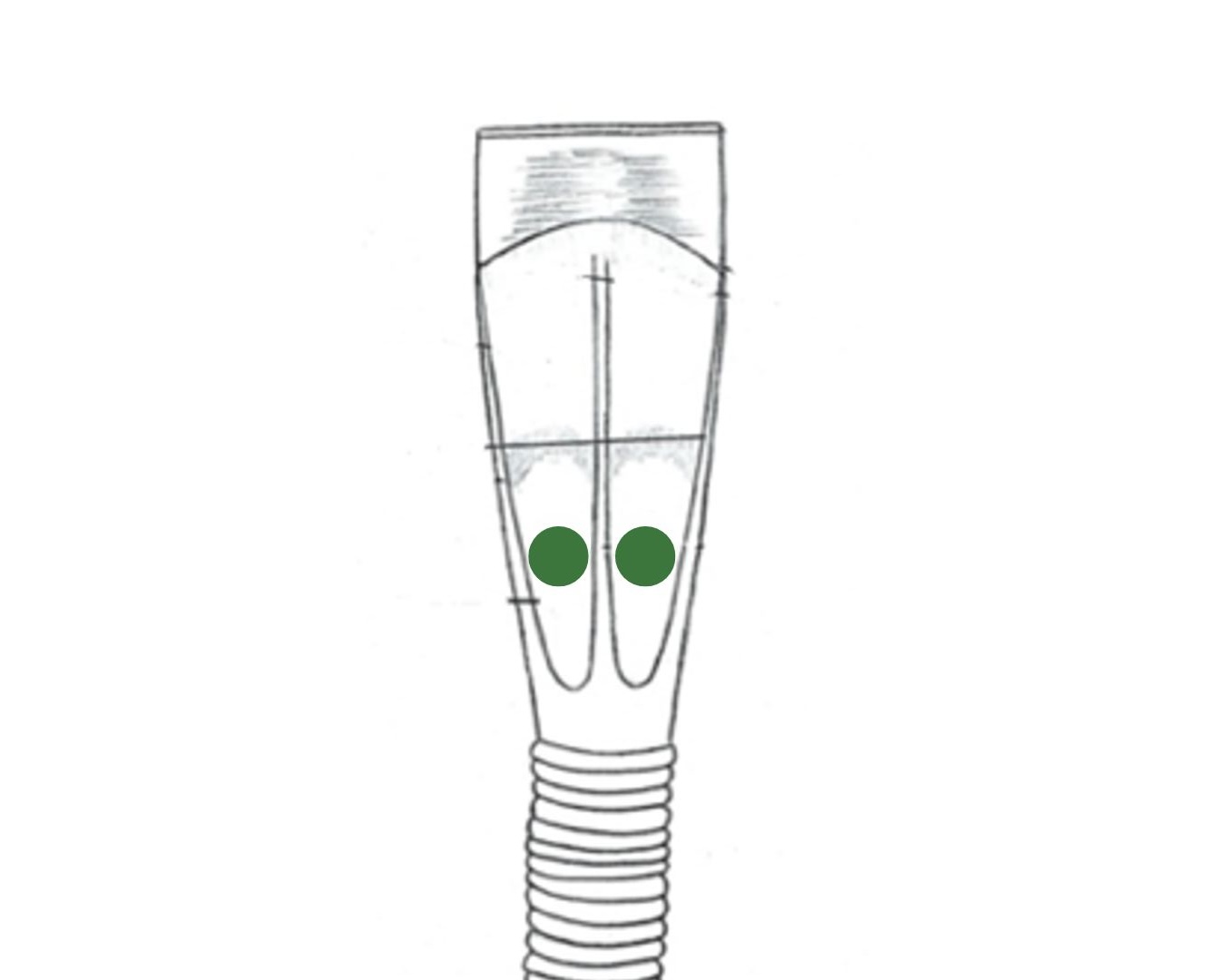
Reed is too bright and flat
Scrape out from the middle of the windows three or four times. This will make the reed a bit more resistant, darker and sharper.
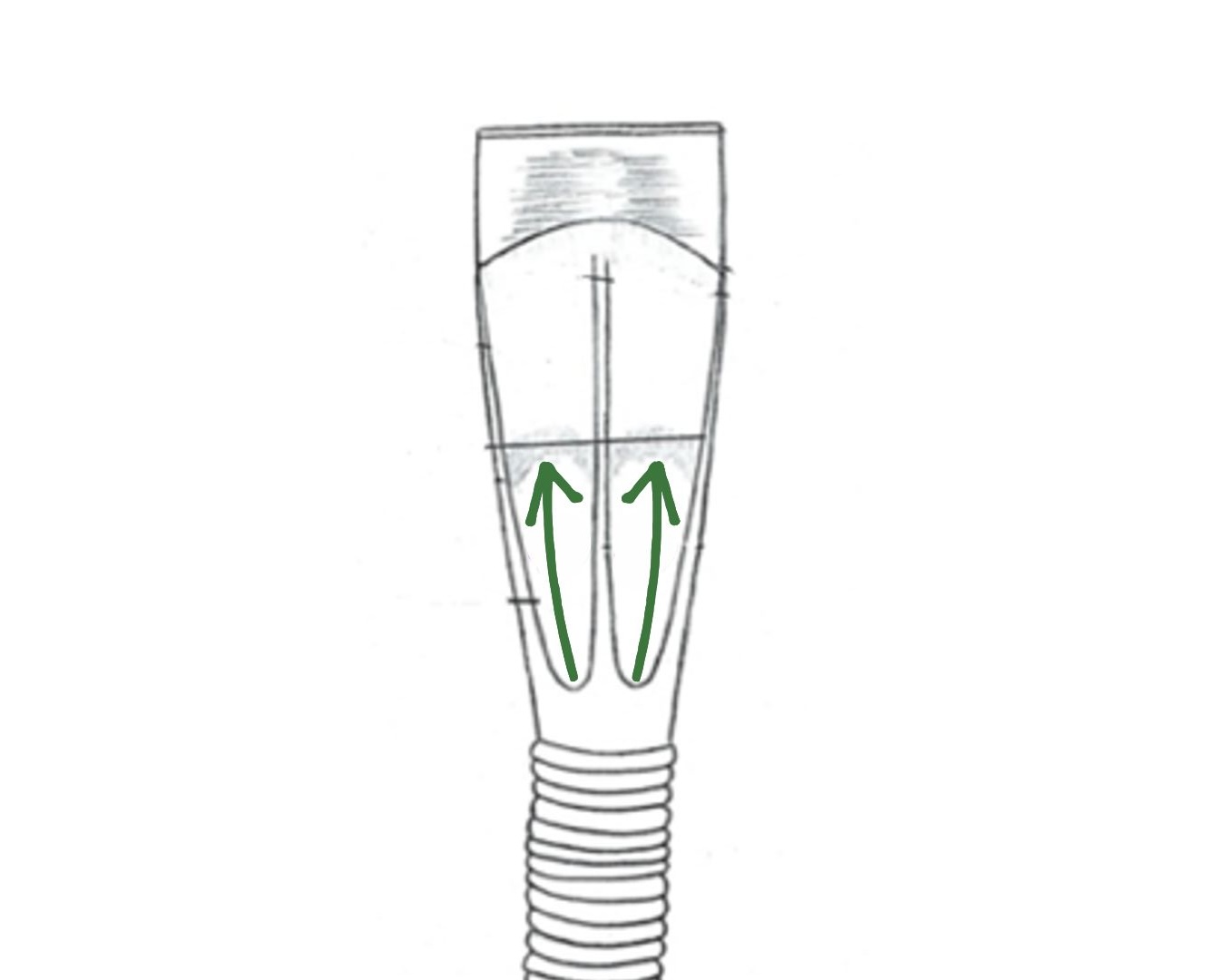
Reed is too open, bright, and unstable
a. Close the very tip with your fingers for about thirty seconds. Be sure the reed is wet when you do this.
b. Scrape the windows from the bottom until the beginning of the heart three times to four times.
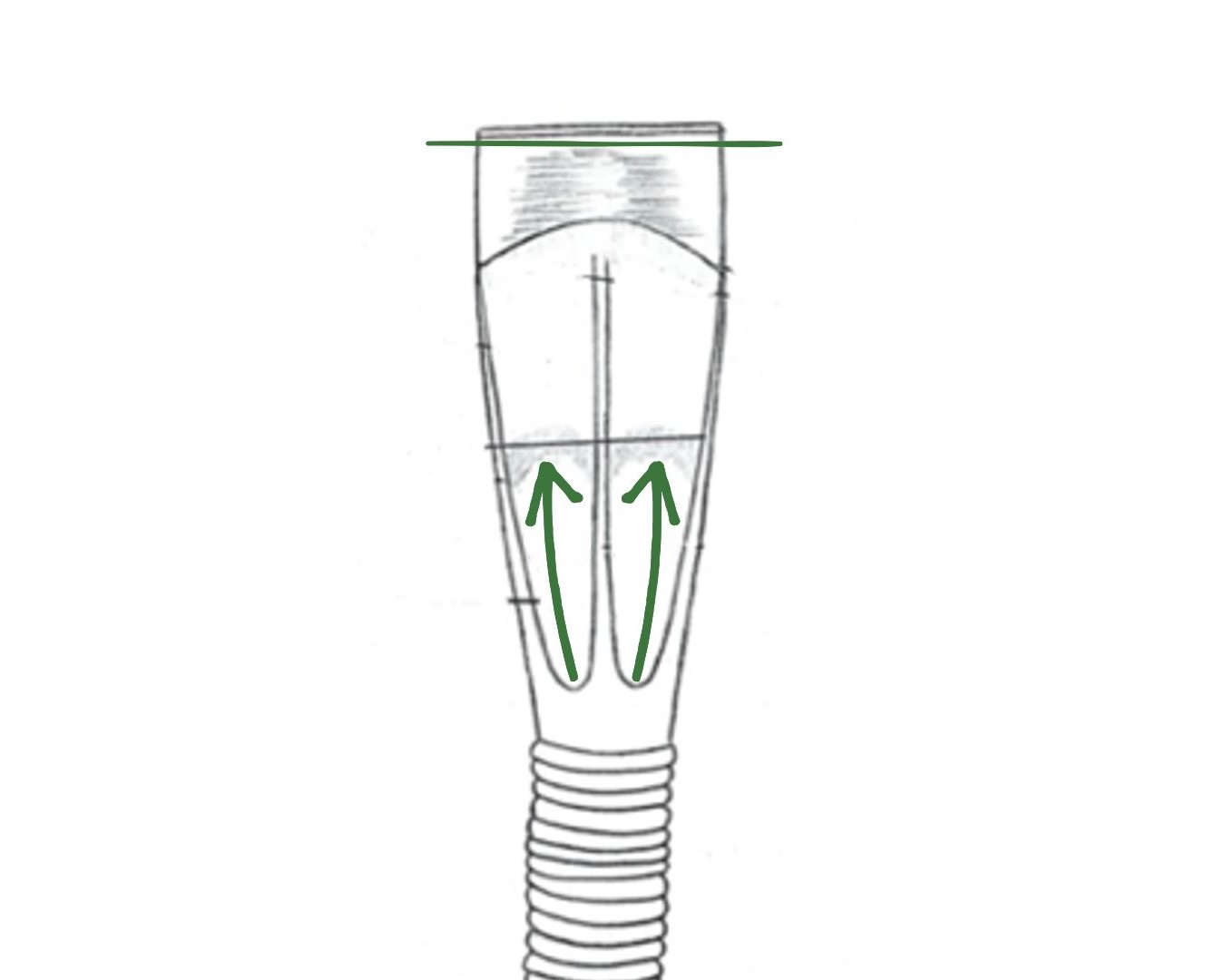
Upper notes are flat
Clip the tip or also scrape the windows.
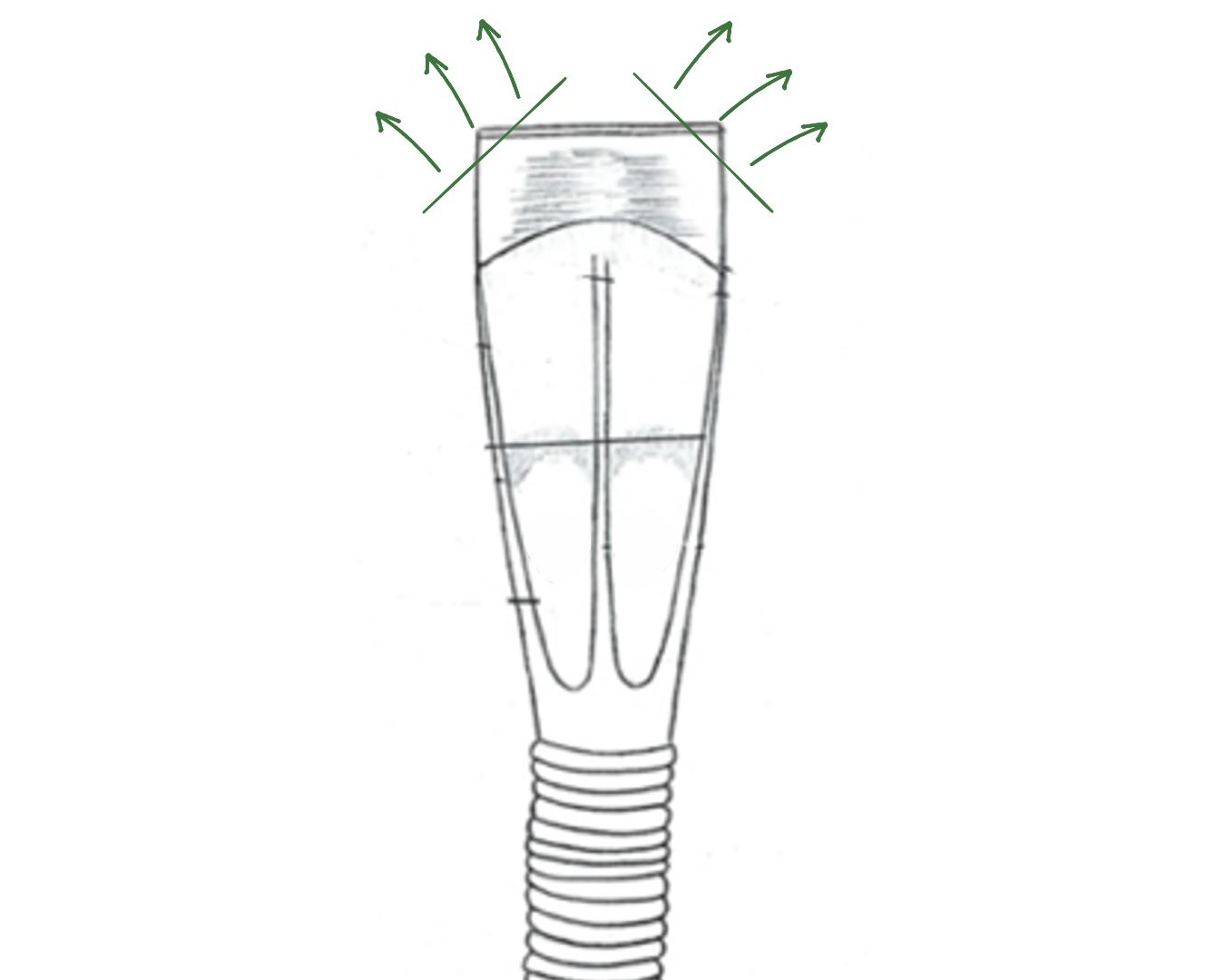
Tone is a bit unfocused
Scrape very lightly and carefully at the very ends of the corners of the tip.
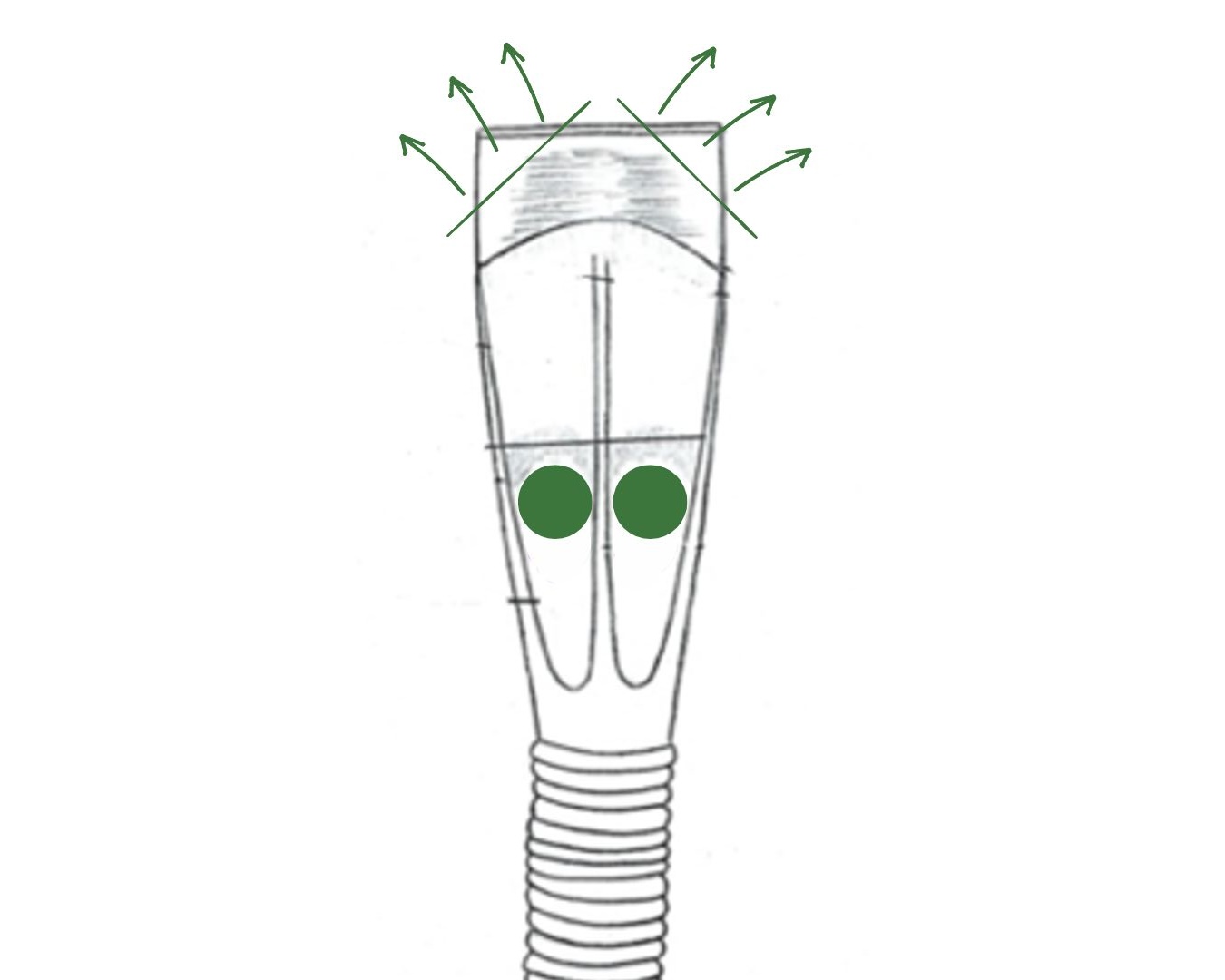
Middle C sounds unstable
Scrape the corners of the tip, or twice right below the heart.
Reed is too vibrant and sharp
Scrape a grid right below the heart. This will make the reed darker sounding and a bit flatter. It will also add resistance.
Reed is too flat, and low notes do not speak well
Scrape a grid at the bottom of the windows. This will add resistance, raise the pitch, and the reed will be a bit darker in tone.
Adjusting for Changes in Climate
Traveling can be stressful for an oboist, as reeds are highly sensitive to changes in altitude, humidity, and air pressure. I would like to share some tips to help you manage these shifts:
Monitor the Weather: Check the altitude and local weather forecast of your destination in advance.
Altitude Adjustments: If traveling to a high-altitude location, prepare your reeds well in advance. It is best to use a smaller cane diameter (9.5–10 mm or 10–10.5 mm) and choose medium/hard cane over soft cane, as soft cane typically performs better at sea level. Reeds that are flat or crow too much at sea level often work better at high altitudes. Reeds at higher altitude tend to get resistant so scrape many layers for better vibration.
Final Stabilizing: Wait to finish your reeds until you arrive at your destination. Finishing them in the new altitude and climate helps them stabilize more effectively.
Reed Age and Conditions: Older reeds tend to perform more reliably at high altitudes than new ones. Avoid making new reeds while it is raining or snowing, as the fibers will shift significantly once the weather clears. If a reed works particularly well during specific weather conditions, mark it and save it for those circumstances.
Managing Your Collection: When traveling to several locations, I recommend leaving your top working reeds at home. This ensures you have reliable reeds waiting for you that haven't been affected by the travel climate.
Lastly, I recommend always keeping reeds of varying hardness - soft, medium, and hard - in your case. This will allow you to adjust as needed if a sudden change in climate affects your reeds.
I hope these tips are helpful for your upcoming travels.
2026年04月27日
Interview Oboe Tips-and-Tricks