

How to Choose a Shape for Bassoon Reeds
Choosing a shape can often feel like searching for a tree in a forest. How can I pick the right one when there are so many options? Is there a magical shape that will fix all my problems?
When going about looking for a new shape, there are some basic principles we can use to help guide our choices. Whether we are looking for a new sound or a different feeling while playing, knowing these principles will make the choice of shape much easier.
Shape Styles
First let's look at the three primary styles of shapes. These style names generally refer to the outer contour of the blade of the reed.
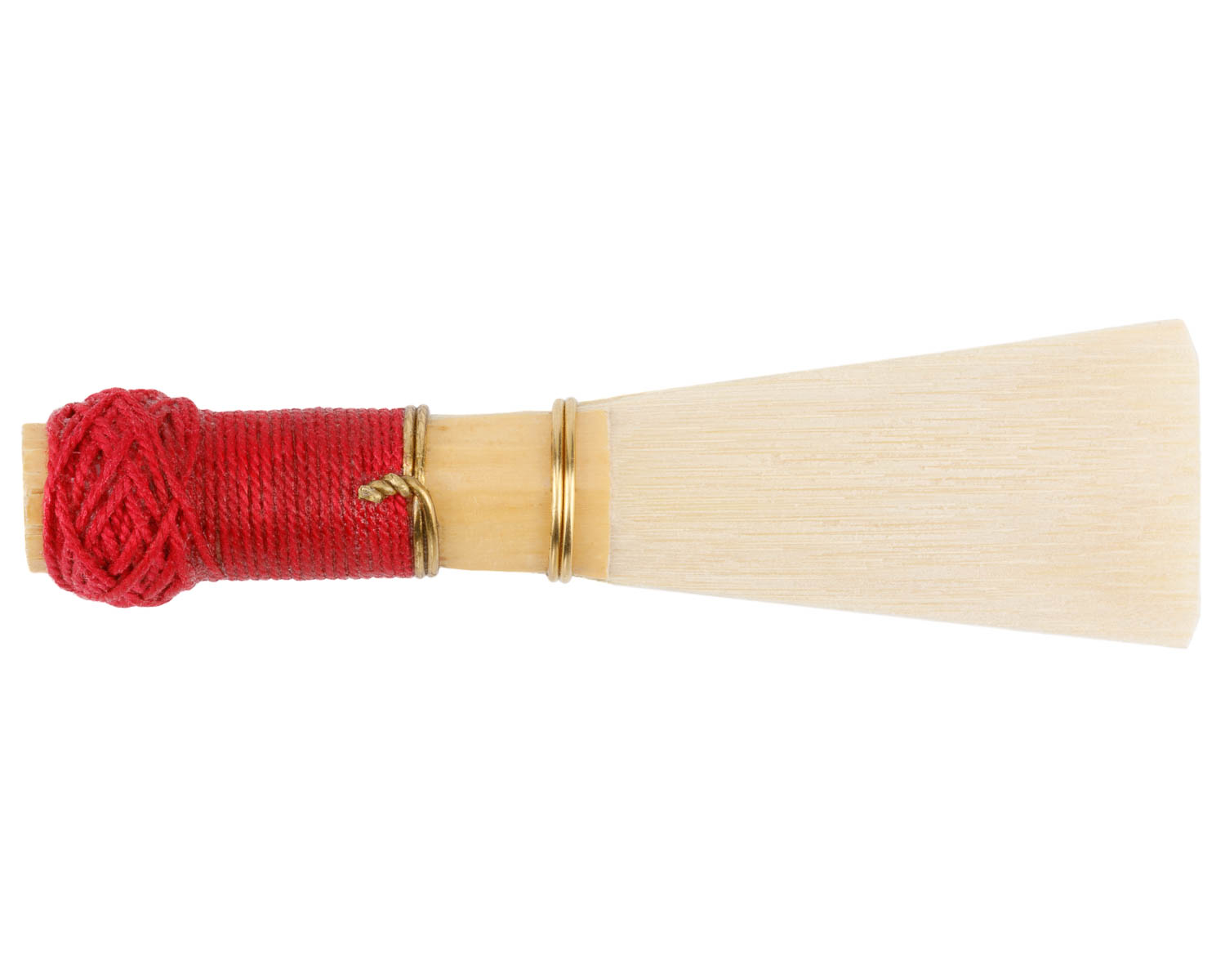
Straight Shapes
The contour of the side of the reed from the tip to the throat of the reed follows a straight line.
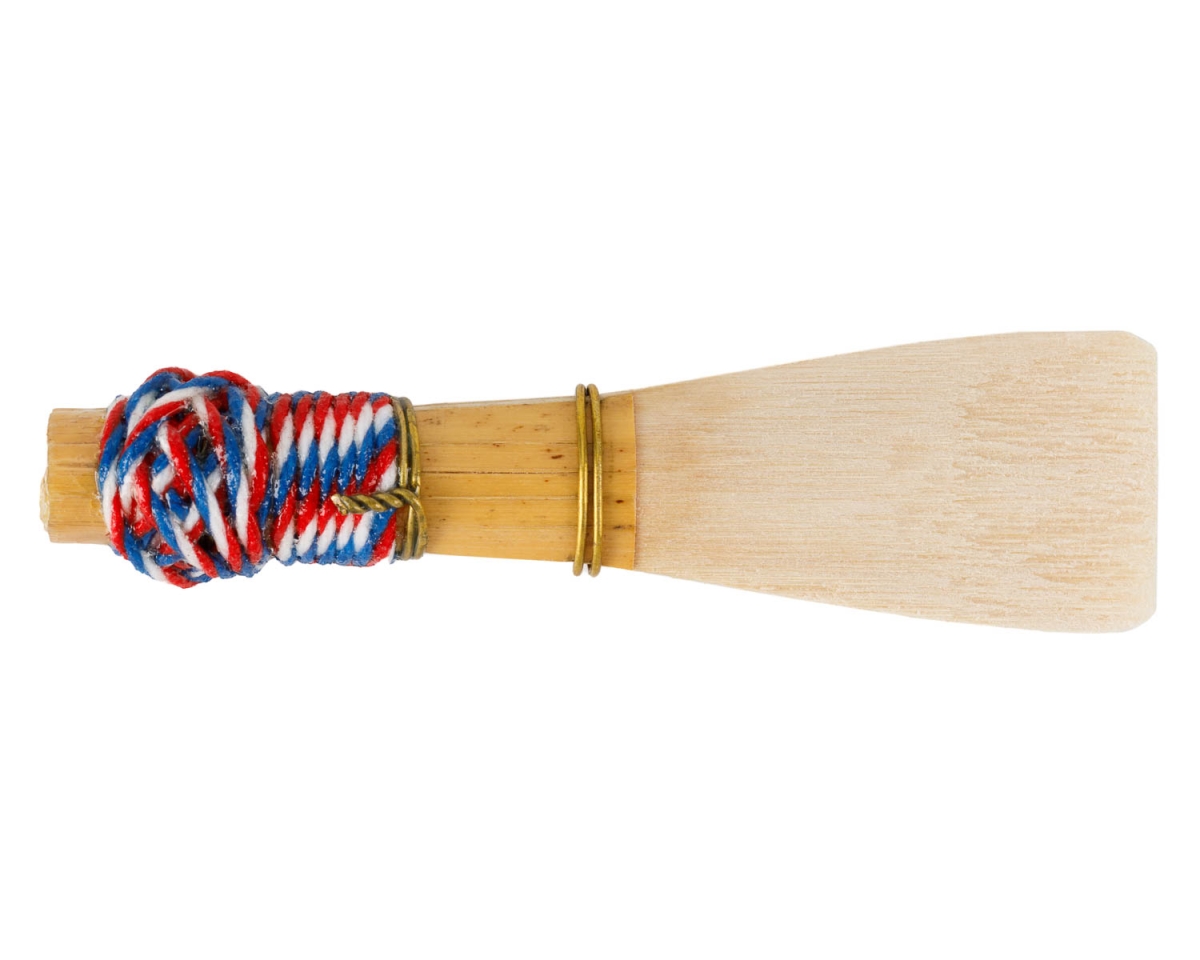
Mechler Shapes
Also known as wineglass or goblet shapes, these shapes have an outward curve in the blade area. They generally favor lower frequencies and have a darker sound.
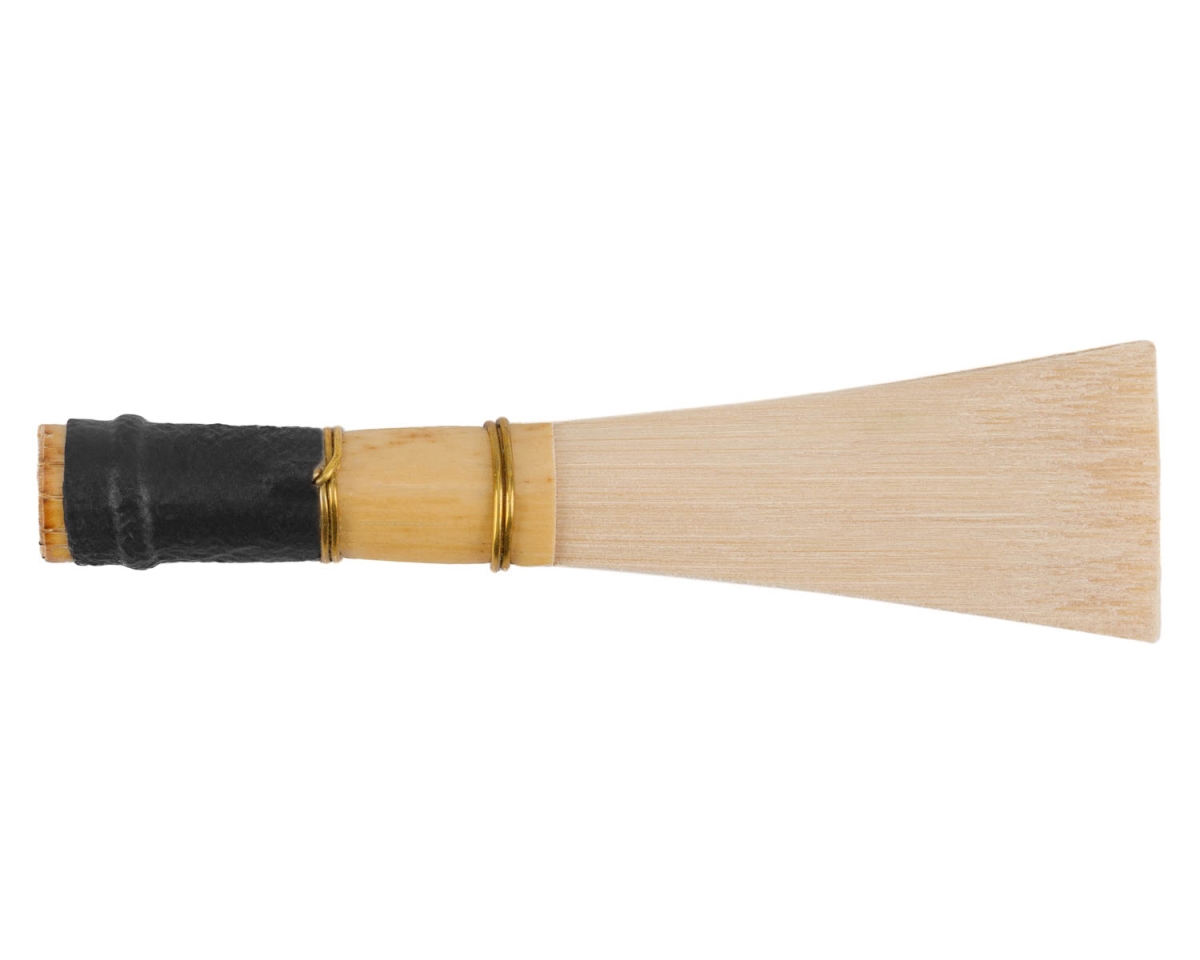
Knochenauer Shapes
Also known as concave or flared shapes, these shapes have an inward curve in the blade area. They generally favor higher frequencies and have a brighter sound.
Changes to the Shape
Changing various parameters of the shape of the reed opens up a world of possibilities. Depending on what it is you are looking for, you will want to alter different aspects of your shape. The principles outlined below will help you decide what it is about the shape that should be different.
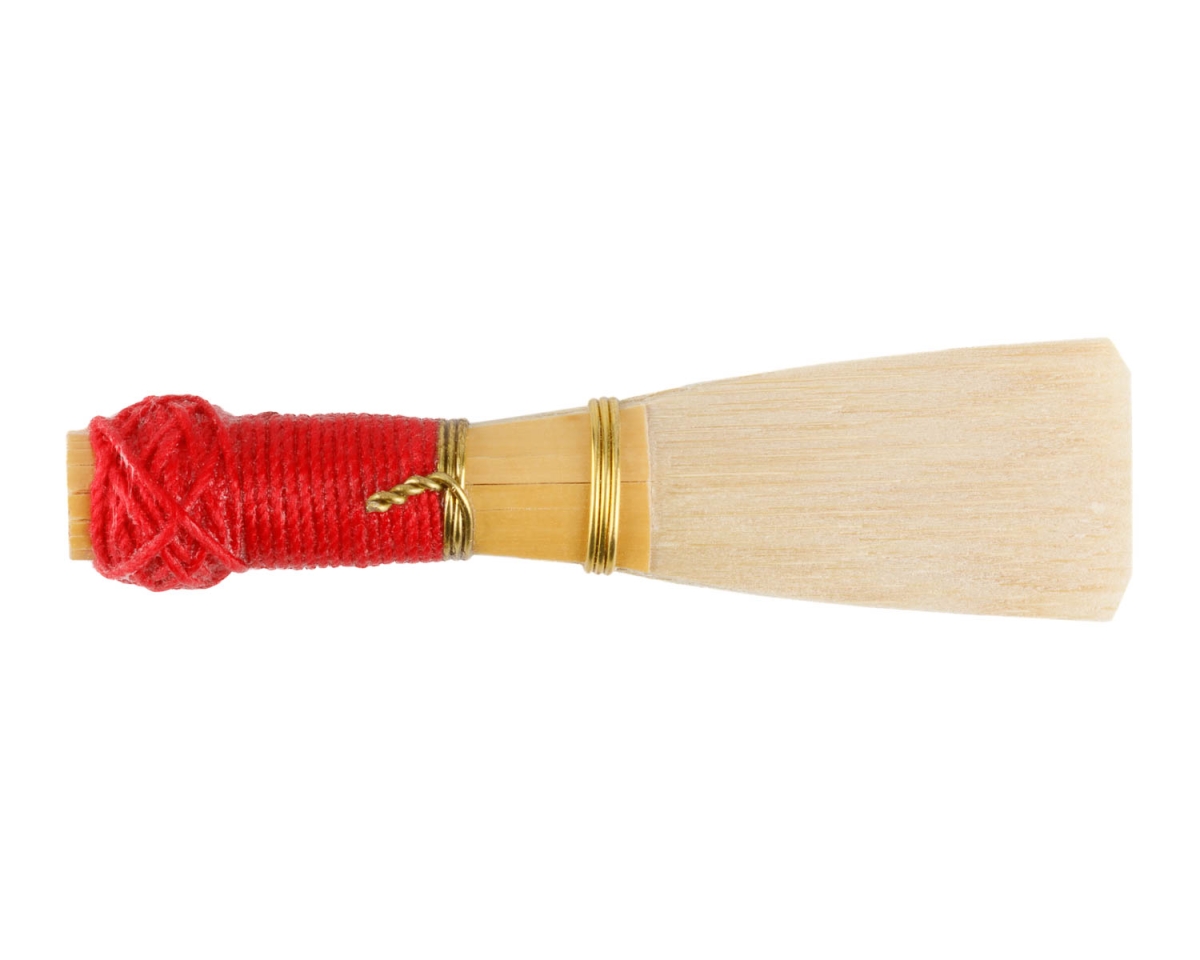
Surface Area
The greater the surface area of the blade of our reed, the darker the sound will become. Achieving this can be done by making the shape wider at the tip, throat, or in between.
Keeping the same tip and throats widths but changing from a straight to a Mechler style shape will increase the surface area.
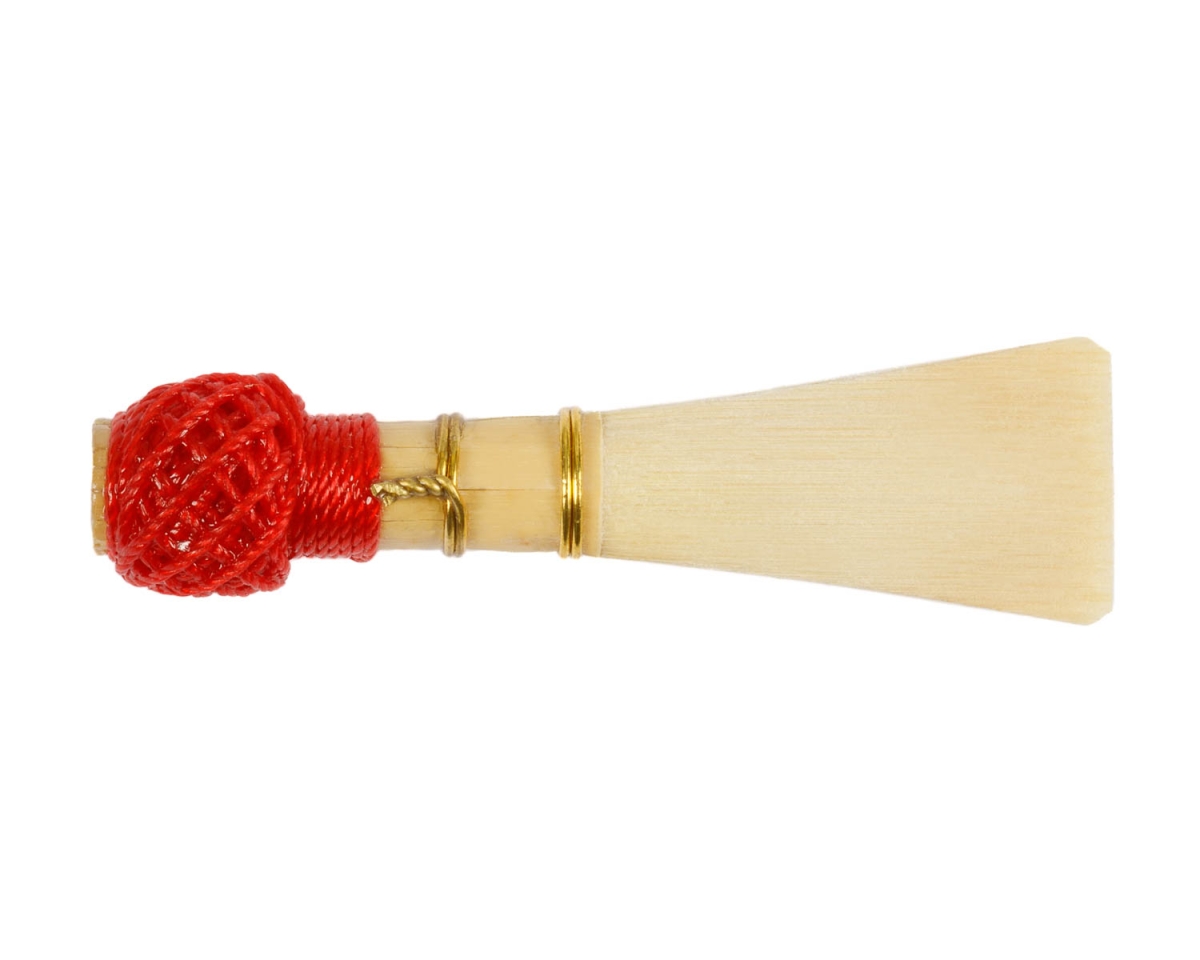
The opposite of this is true, as well. If we are looking for a brighter sound then one option would be to choose a shape with less surface area in the blade.
Something to keep in mind: the more surface area a reed has, the more it will favor the lower register. Inversely, a reed with less surface area will favor the higher register.
Tip Width
A wider tip will introduce more lower frequencies to the sound we produce, and will make articulation in the low register easier.
Conversely, a narrower tip width will reduce the lower frequencies in our sound and help with articulation in the higher register.
Throat Width
In a similar manner, a wider throat will produce a darker sound, while a narrower throat will produce a brighter and more focused sound.
As the difference between the tip and throat widths decreases, so does the reed’s natural resistance.
In the end there are many ways in which our choice of reed shape can help, or hinder, how we create our sound on the instrument. Finding the right balance between the tip width, the throat width, and how we get from one to the other is where the magic lies, and why there are so many different shapes.
2026年04月14日
Guide Bassoon