

How Do Reeds Work?
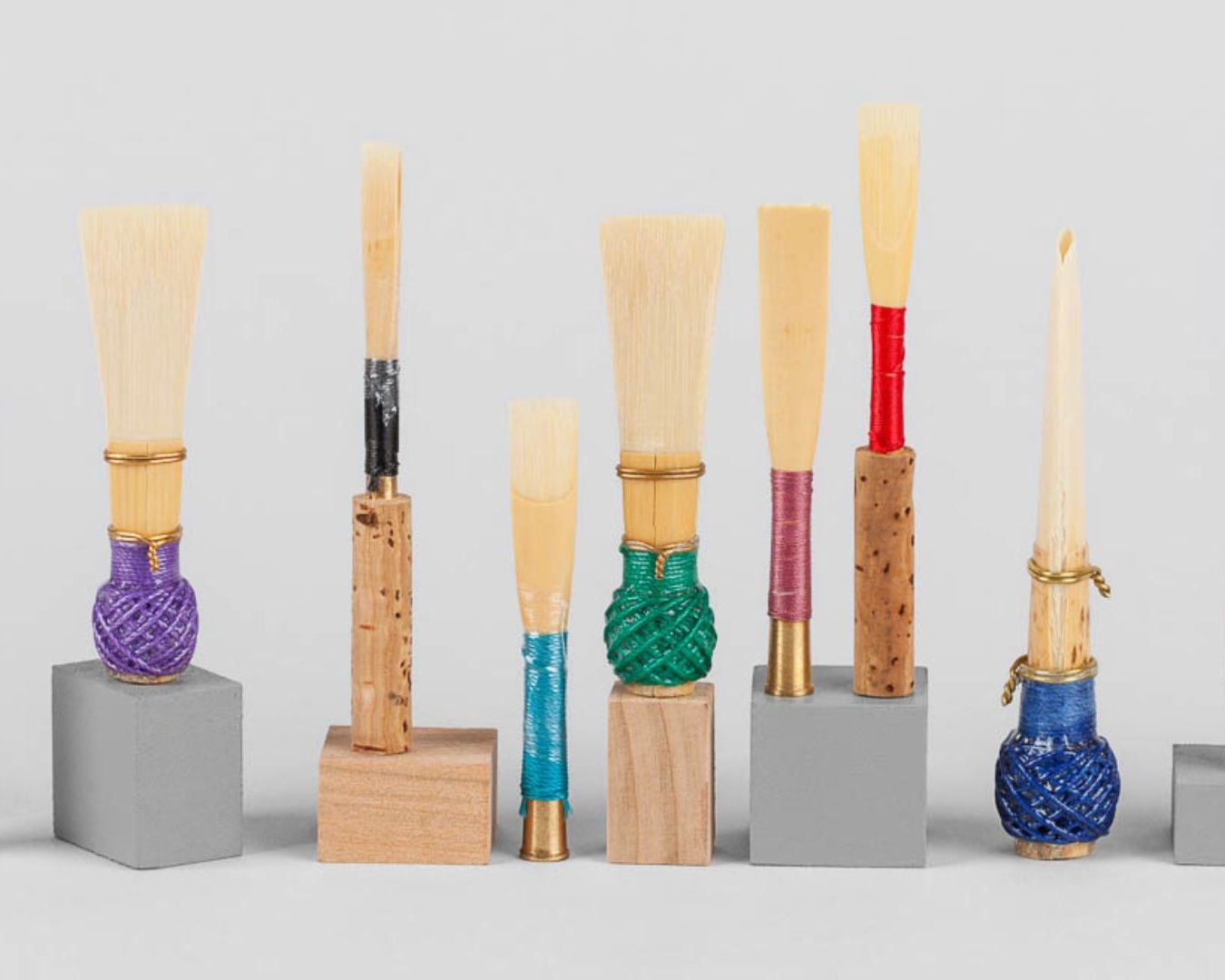
Reeds are funny things. We spend hours crafting them out of cane with our bare hands, a handful of machines, and a healthy amount of willpower. We blow into them, they make funny noises until we put them onto our instruments, and then somehow beautiful music comes out.
It almost feels like magic. But it isn't.
Whether we're choosing a piece of cane, selecting a gouge, deciding on a shape, or making the final scrape before rehearsal, every decision comes down to one question:
How is this going to change the way the reed works?
The challenge is that it's easy to learn what to do without ever understanding why it works. We collect recipes, tips, and adjustments from teachers, colleagues, and years of experience. Many of them are excellent, but eventually every reed maker encounters a piece of cane that refuses to follow the recipe.
That's where understanding becomes more valuable than memorization.
This article isn't meant to be a complete guide to reed making, nor is it a deep dive into acoustics. Instead, the goal is to build a simple mental model of what a double reed is actually doing while it vibrates. Once we understand that, the choices we make – from designing a reed to making its final adjustments – become much more logical.
By the end, the hope is that you'll find yourself thinking a little differently about reeds. Instead of asking, "What adjustment should I make?", you'll begin asking, "What is the reed doing, and how can I change it?"
That's the question that turns reed making from following recipes into solving problems.
The Reed is a Valve
When we think about reeds, we often think about vibration. While that's certainly true, it's helpful to think about the reed as something even simpler.
A double reed is a valve.
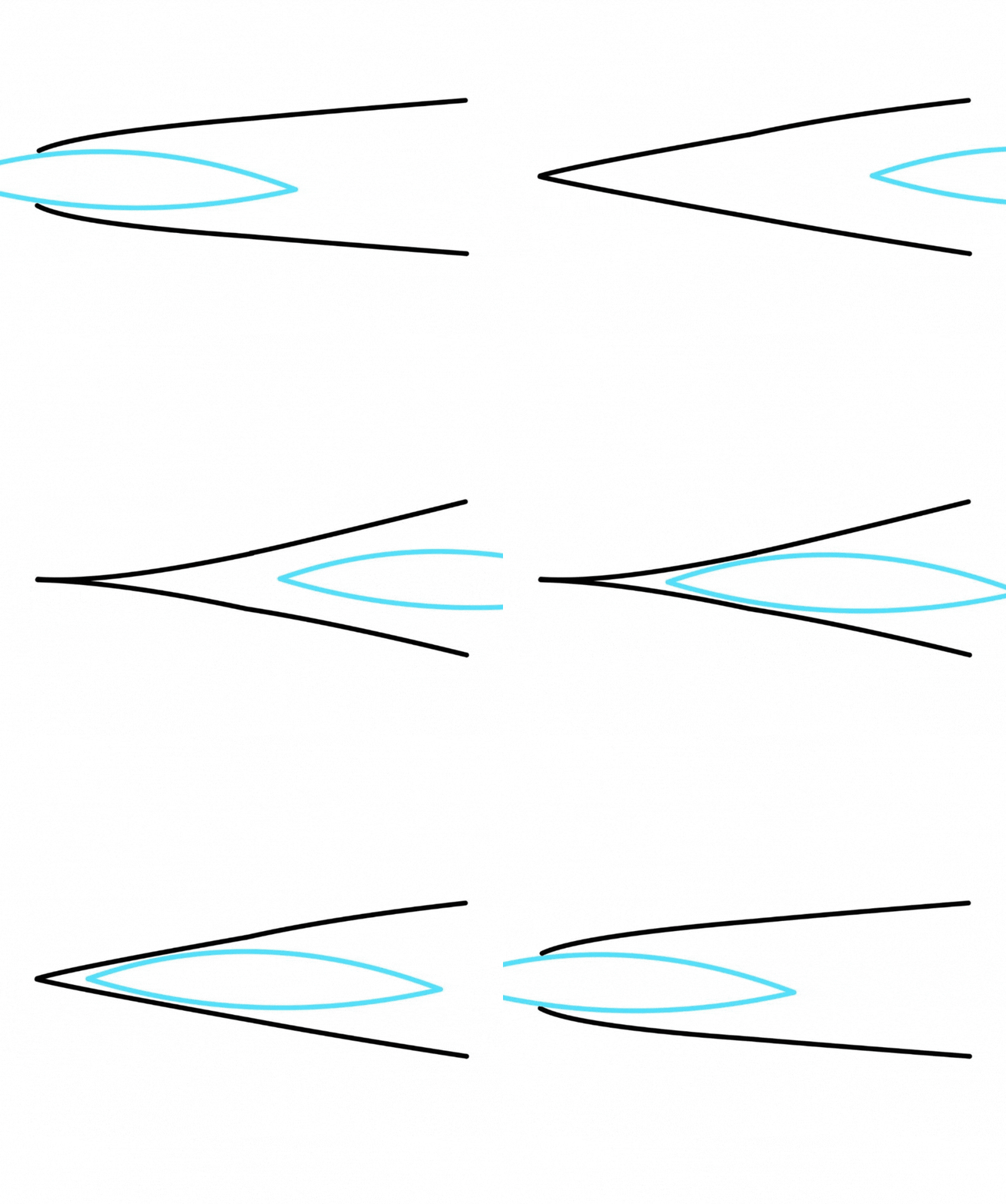
Its job is to repeatedly open and close, hundreds of times every second. Each time it opens, a small pulse of air enters the instrument. Each time it closes, that pulse ends. The instrument then takes this rapid series of air pulses and shapes them into the sound that we hear.
So How Does It Open and Close?
When we blow into the reed, the air speeds up as it passes through the small opening between the blades. This rapid airflow, combined with the pressure difference across the reed, causes the blades to move toward each other. Eventually the blades close.
Once they close, the airflow is interrupted. The natural stiffness of the cane, together with the pressure inside the instrument, allows the blades to spring back open. Then it happens again, and again – hundreds of times every second.
Although we're blowing what feels like a steady stream of air, the instrument is actually receiving hundreds of tiny pulses every second.
Every Part of the Reed is a Spring
This is where reed making starts to become much more intuitive.
Every part of the reed behaves like a tiny spring.
Thicker cane forms a stronger spring.
Thinner cane forms a weaker spring.
When we scrape a reed, we aren't simply making it thinner – we're changing the strength of those springs.
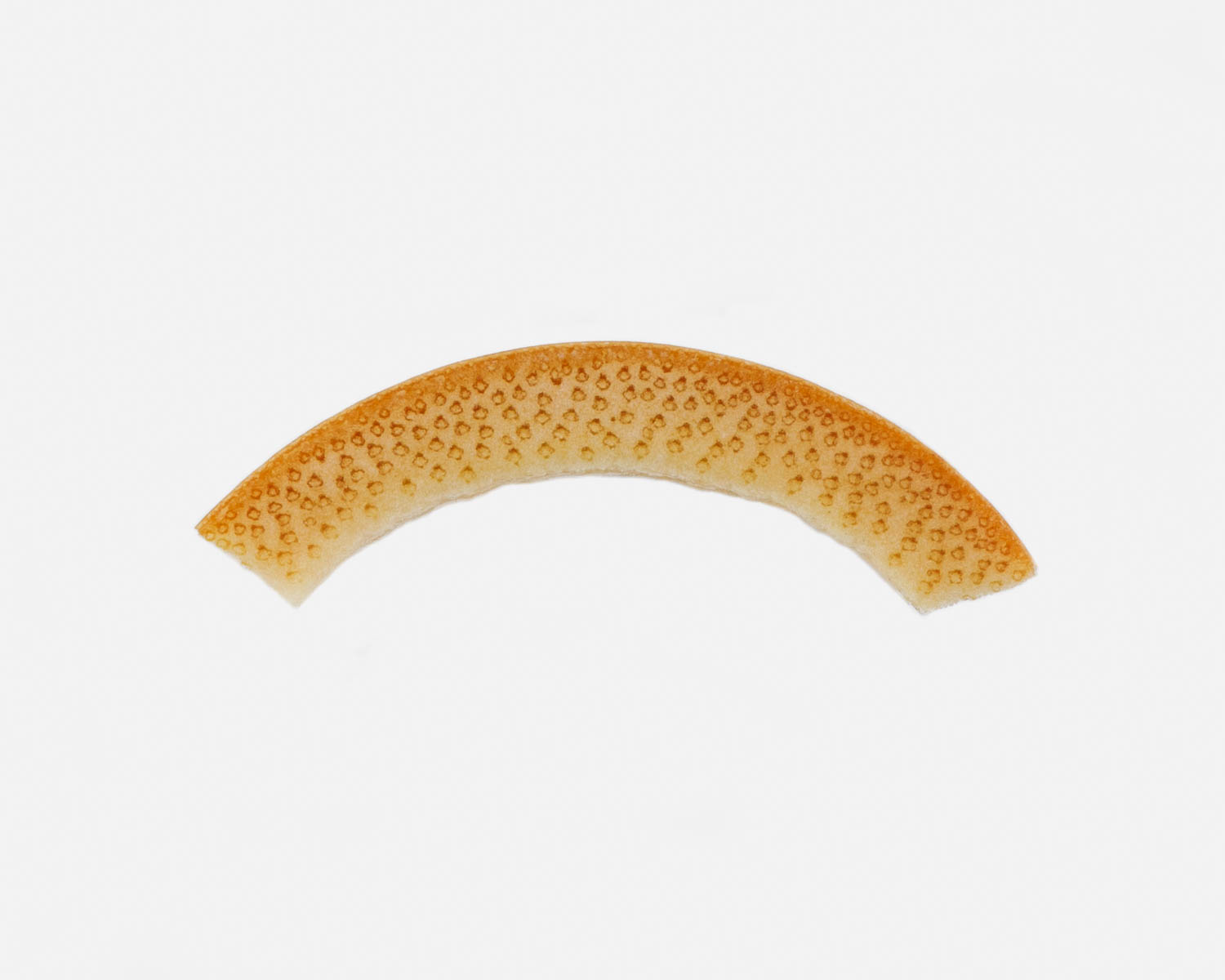
Imagine bending a bundle of sticks compared to bending a single stick. The bundle resists movement much more strongly. Cane behaves in much the same way. The outer layers are denser and contain more fibers. As we remove those layers, the remaining cane becomes more flexible.
That means the weakened area begins to bend earlier during each vibration. Every scrape changes when that part of the reed moves during each vibration.
Symmetry Matters
Ideally, both blades of the reed should move together. Not only that, but each side of each blade should move similarly.
If one side closes before the other, different parts of the reed are moving at different times. Instead of producing one clean air pulse, the reed produces an uneven one, resulting in a less focused sound.
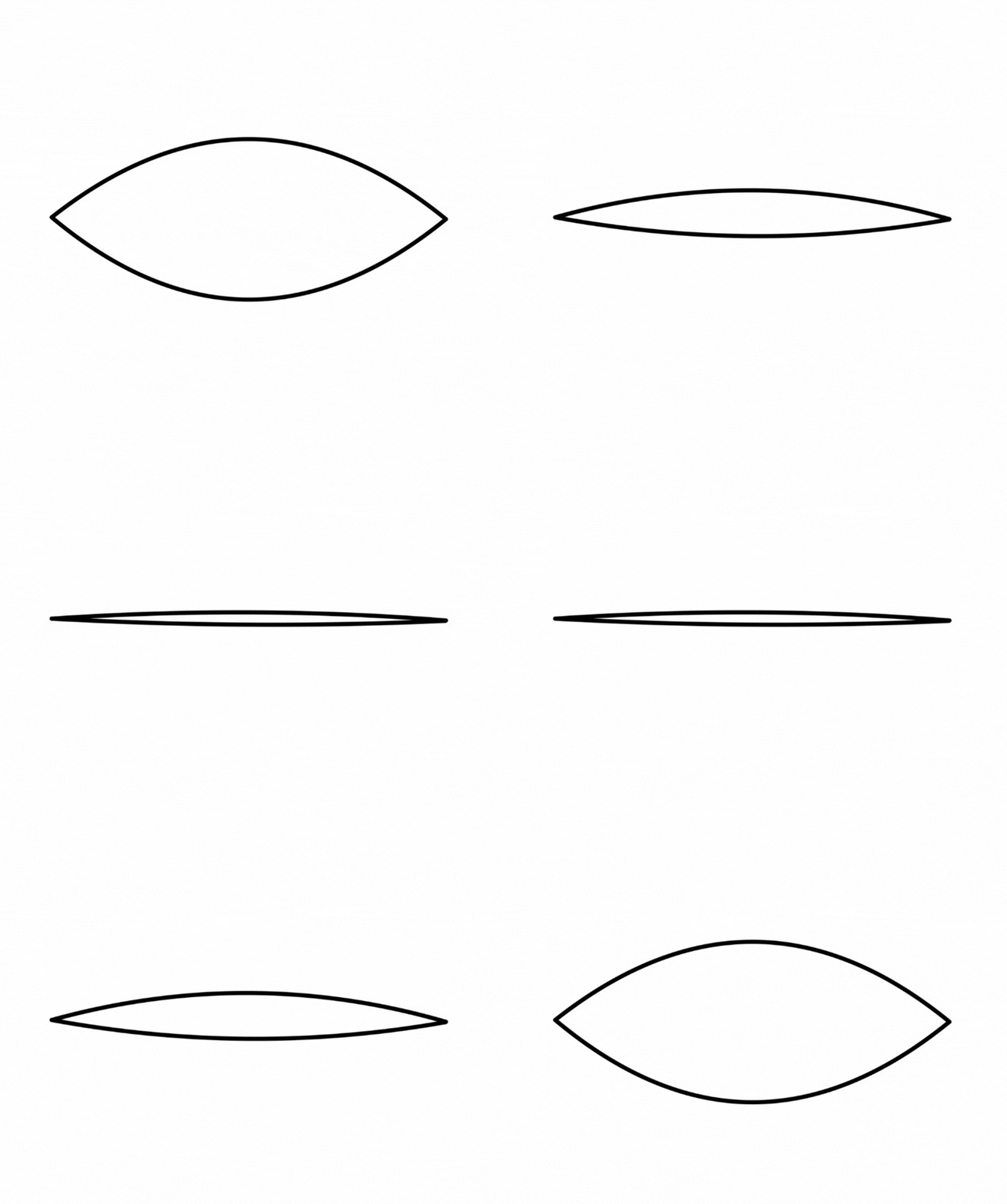
A simple demonstration is slowly opening and closing your mouth completely while saying "Ah."
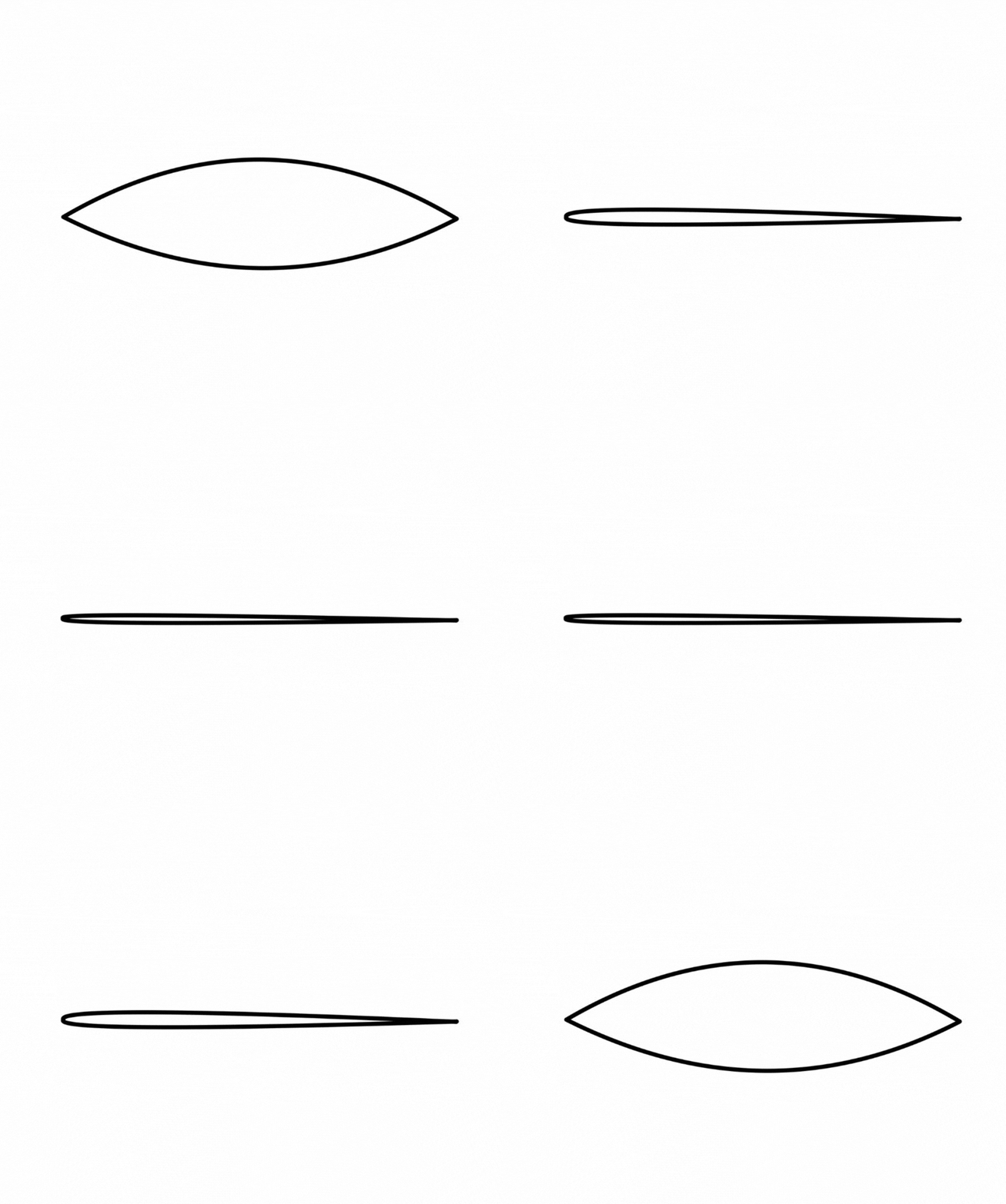
Now repeat the exercise, but close the right side of your mouth before the left. Notice how the sound becomes less clear?
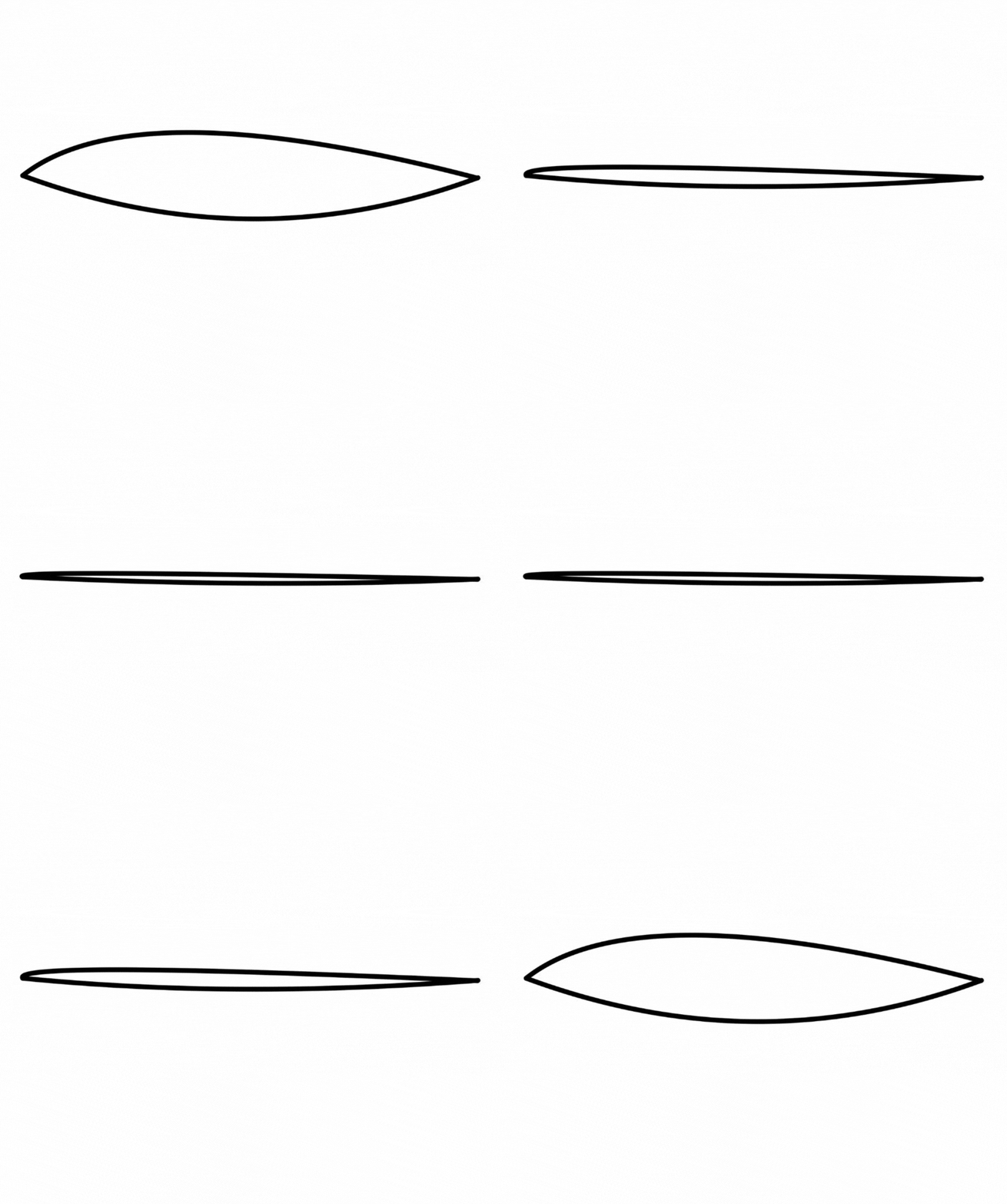
The same thing happens with a reed. When one part of the reed consistently moves differently than the rest, the vibration becomes less efficient and the sound suffers.
Note: Because the blades of the reed are not connected, the edge of the reed actually ends up opening completely on the stronger side/blade in misbalanced reeds.
Applying This Understanding
Understanding how the reed vibrates is interesting – but it's only useful if it changes the way we think about reeds. Whether we're choosing a gouge, selecting a shape, or making a final adjustment, we're always doing the same thing: changing how the reed moves during each vibration.
Instead of asking, "Where should I scrape?" it's often more useful to ask:
"What is the reed doing, and how can I change it?"
For example, if a reed only plays comfortably when you squeeze it with your lips, your embouchure is doing work that the reed should be doing itself. Some part of the reed is resisting closure for too long. The goal isn't to squeeze harder, but to reduce that resistance so the reed can complete its vibration naturally.
Likewise, if one side of the reed is stronger than the other, different parts of the reed are moving at different times. The vibration becomes uneven, often affecting both the response and the sound.
Most reed problems can be thought of as questions of timing.
Is one area moving too soon?
Is another moving too late?
Are both sides moving together?
Thinking this way changes the questions we ask. Instead of searching for the nearest recipe, we begin asking what the reed is actually doing during its vibration. Once we understand that, our adjustments become logical responses to what the reed is telling us.
There are countless successful ways to design and adjust reeds. This way of thinking won't replace experience, but it will help you learn from every reed you make.
A double reed is, at its heart, a beautifully balanced system of springs controlling a rapidly opening and closing valve. The better we understand that motion, the better equipped we are to shape it.
2026年09月14日
Oboe Bassoon