

Choosing a Template with José Andrés

Oboist, Reed Maker
José Andrés Valero is co-founder, together with María D. Espinosa, of Valero Reeds, a company specializing in oboe products. José Andrés studied in Spain, the Netherlands, Germany, and Switzerland, won first prize at the 2007 Paris International Competition (Ville d’Avray) and is principal oboist in the Banda Sinfónica de Alicante.
Founded in 2013 and based in San Miguel de Salinas, Spain, Valero Reeds was created with the aim of providing high-quality reeds and cane for oboe players, teachers, and students. Its catalogue also includes accessories and machines for reed making, and the company is present in more than 60 countries. Its clients include musicians from leading international orchestras.
Crafting Your Style
Crafting a reed is an inherently personal process. Every oboist works with a unique combination of instrument, climate, staples, cane, gouging style, and countless other variables. This guide offers clear, practical insights to help you choose the template that best supports your playing.
Each template brings its own strengths and characteristics, and understanding these differences will help you make informed choices. There is no universal solution – and that’s exactly why reed‑making remains so adaptable and individual.
By recognizing how elements such as the tip shape and angle, the spine, the step, and the scrape limiter interact, you’ll be better equipped to craft reeds that match your style and the sound you aim to achieve.
The Tip Shape
For many oboists, the shape of the tip is the single most important feature. Broadly speaking, two primary factors interact to create four distinct tip profiles:
Rounded tip vs. angled tip
Obtuse angle vs. acute angle
Combining these gives us four principal tip types: half-moon, elliptical, obtuse‑angle, and acute‑angle.
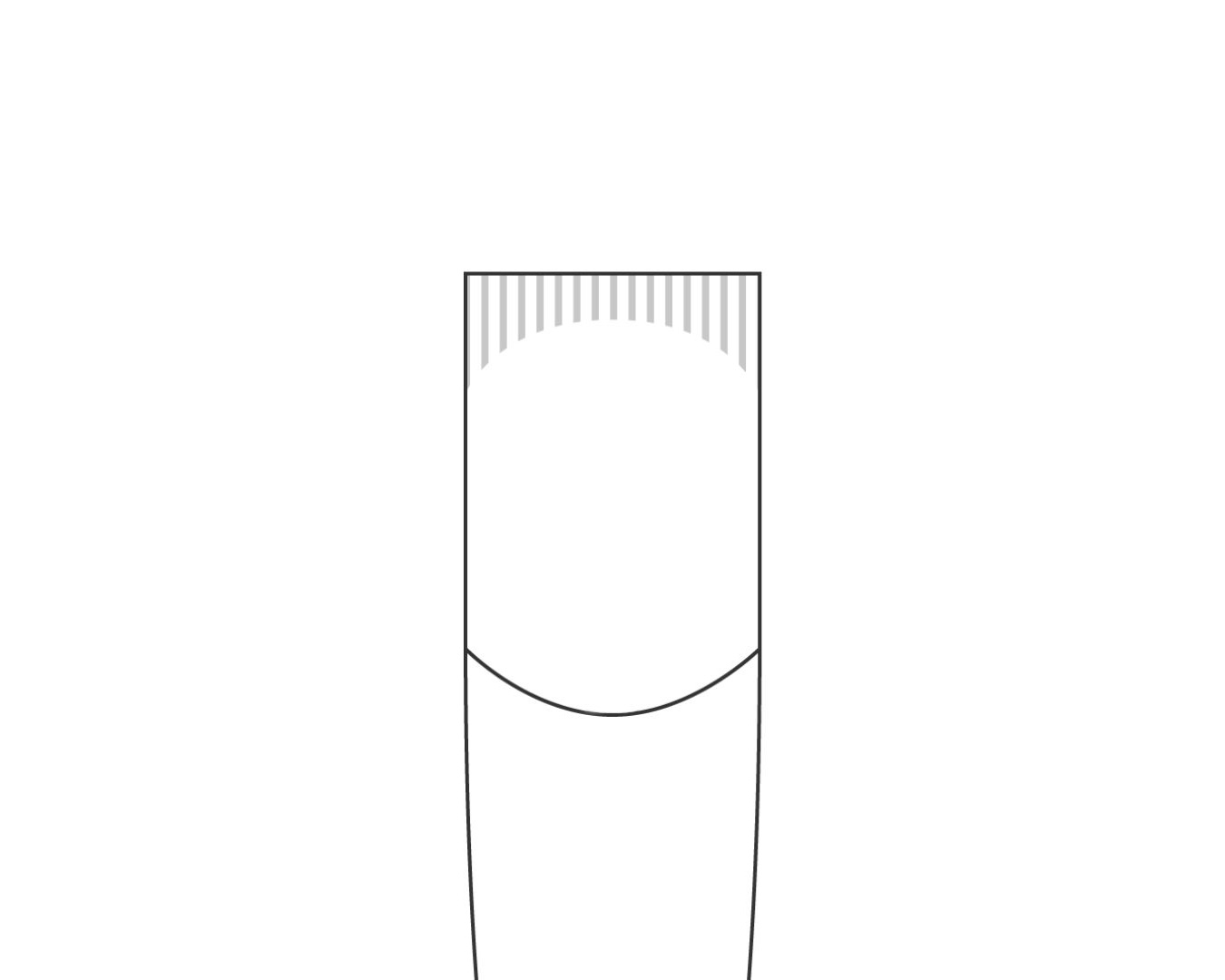
Half-moon
Traditionally associated with many German oboists, this profile offers a classic balance between warmth and control.
These reeds have a warm, round sound and offer slight resistance in the articulation. They offer excellent stability, particularly in the second octave.
Tip: this shape is best suited for 47 mm staples combined with moderately wide shapes. For wider shapes use shorter staples (45–46 mm).
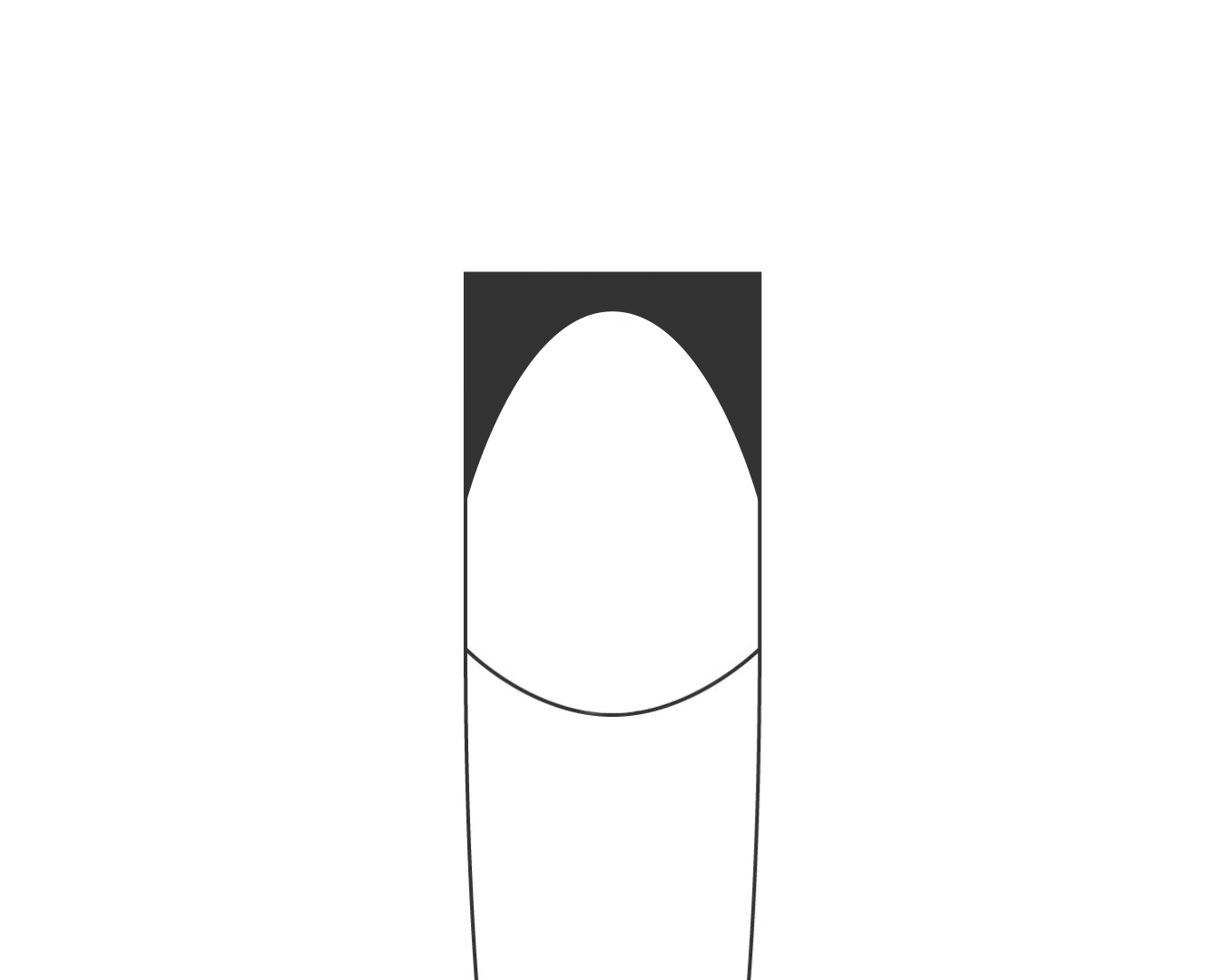
Elliptical
These reeds have a warm, round sound. They tend to leave the sides very thin and are therefore less well suited to wide shapes.
Tip: this shape is best suited for narrow shapes used in conjunction with the U5 scrape limiter.
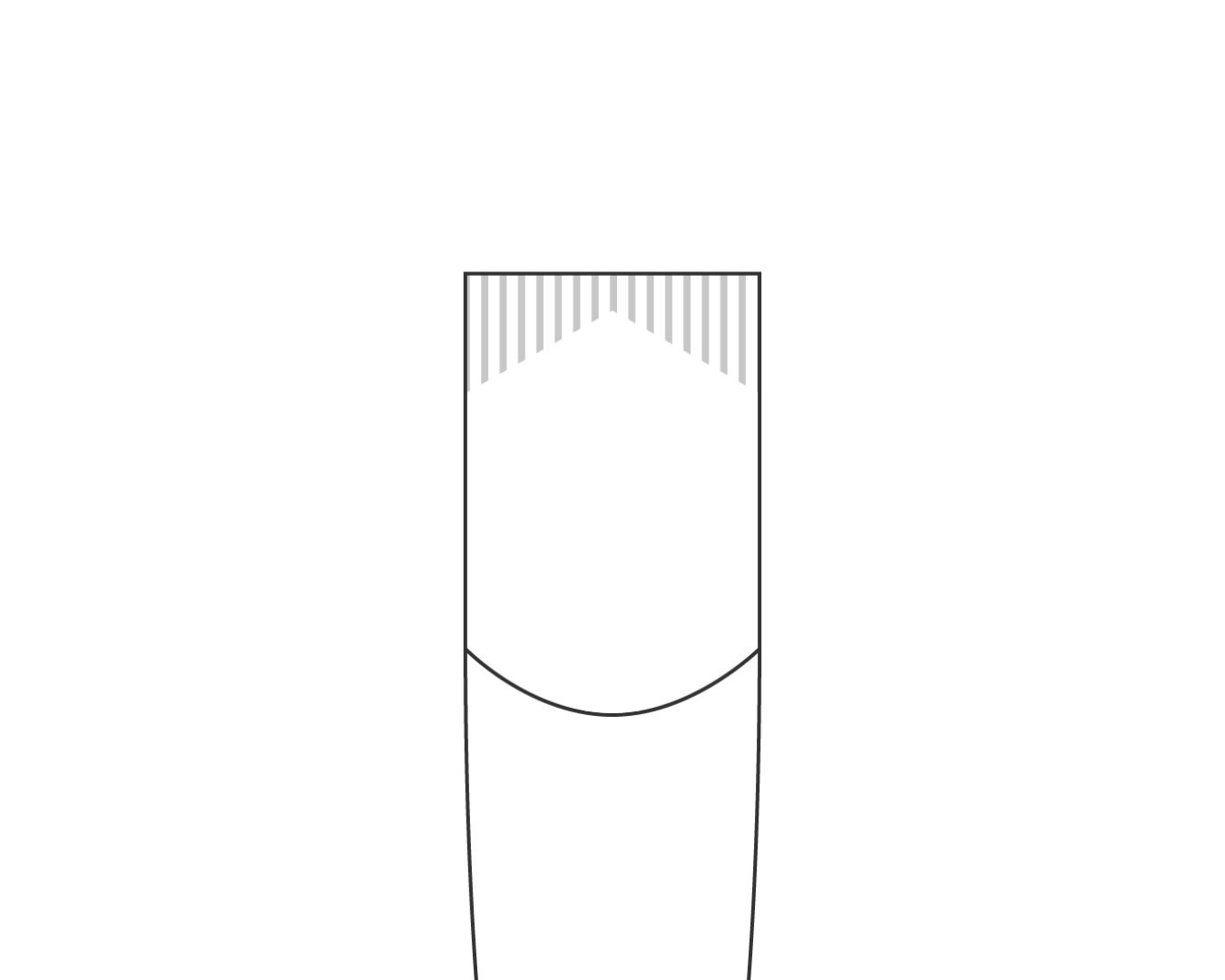
Obtuse Angle
Traditionally associated with the French reed making tradition.
These reeds speak quite easily and are known for having a rich color with abundant overtones in the sound. They are very stable across the entire register, especially on instruments tuned slightly lower.
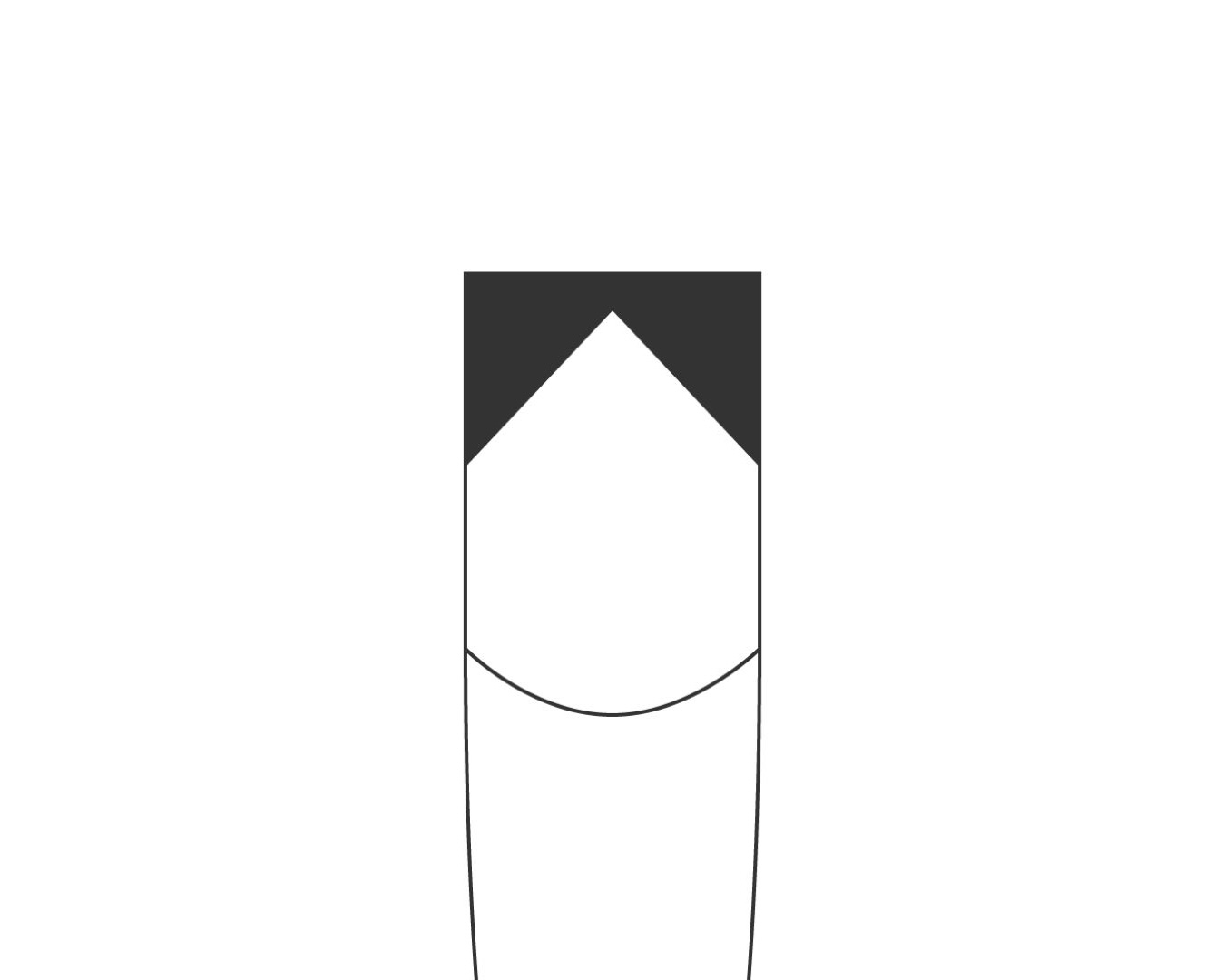
Acute Angle
These reeds speak easily, as well, and offer a slightly darker sound than the obtuse angle tips.
Tip: this shape leaves the edges quite thin, therefore it pairs best with narrow shapes, harder cane, and cane of smaller diameters.
The Spine
The spine can be seen as the central pillar of your reed, providing strength and structure where needed.
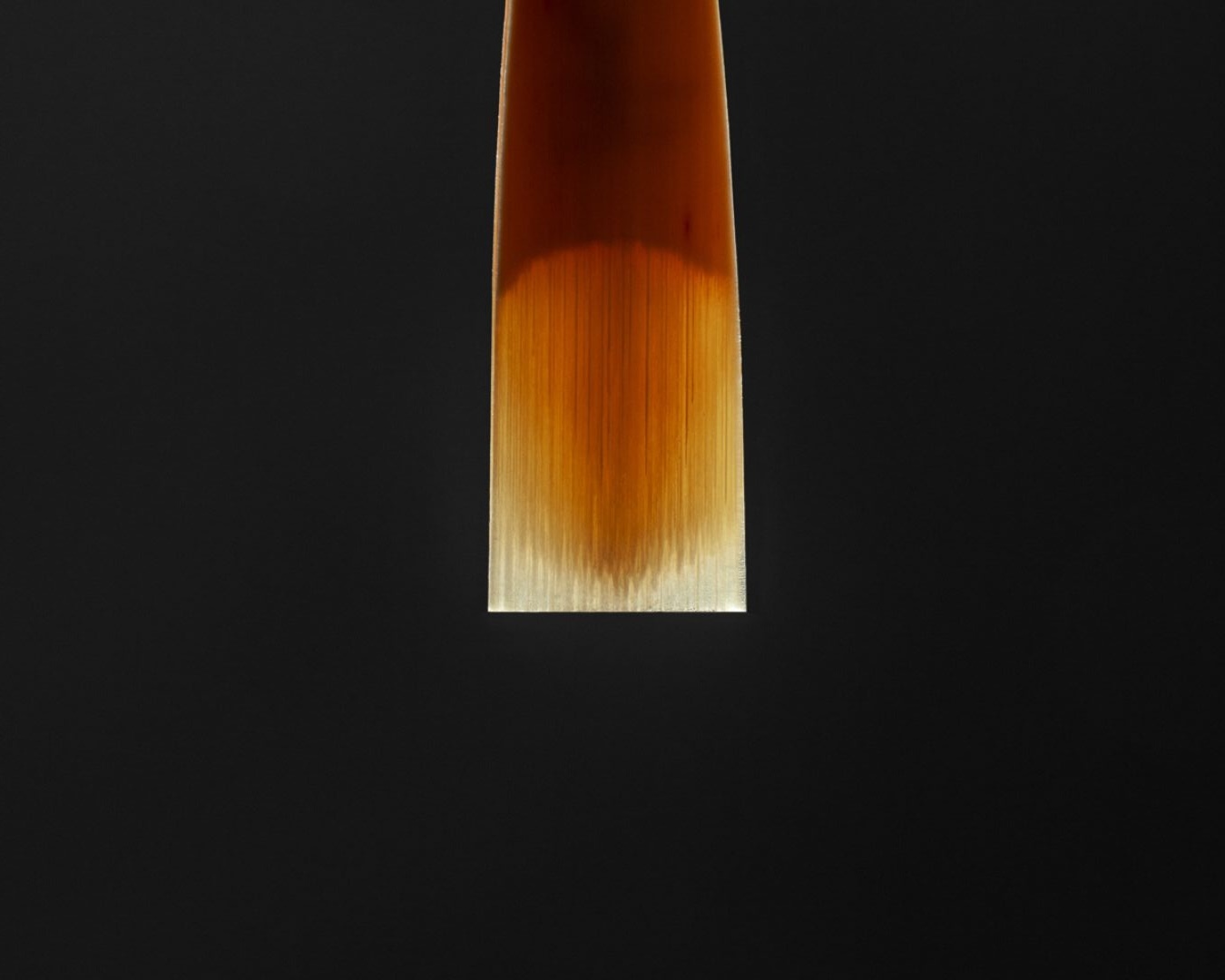
More Spine
A well‑defined spine allows the template to leave the sides of the reed thinner, which provides greater comfort in the embouchure, and more control over reed opening.
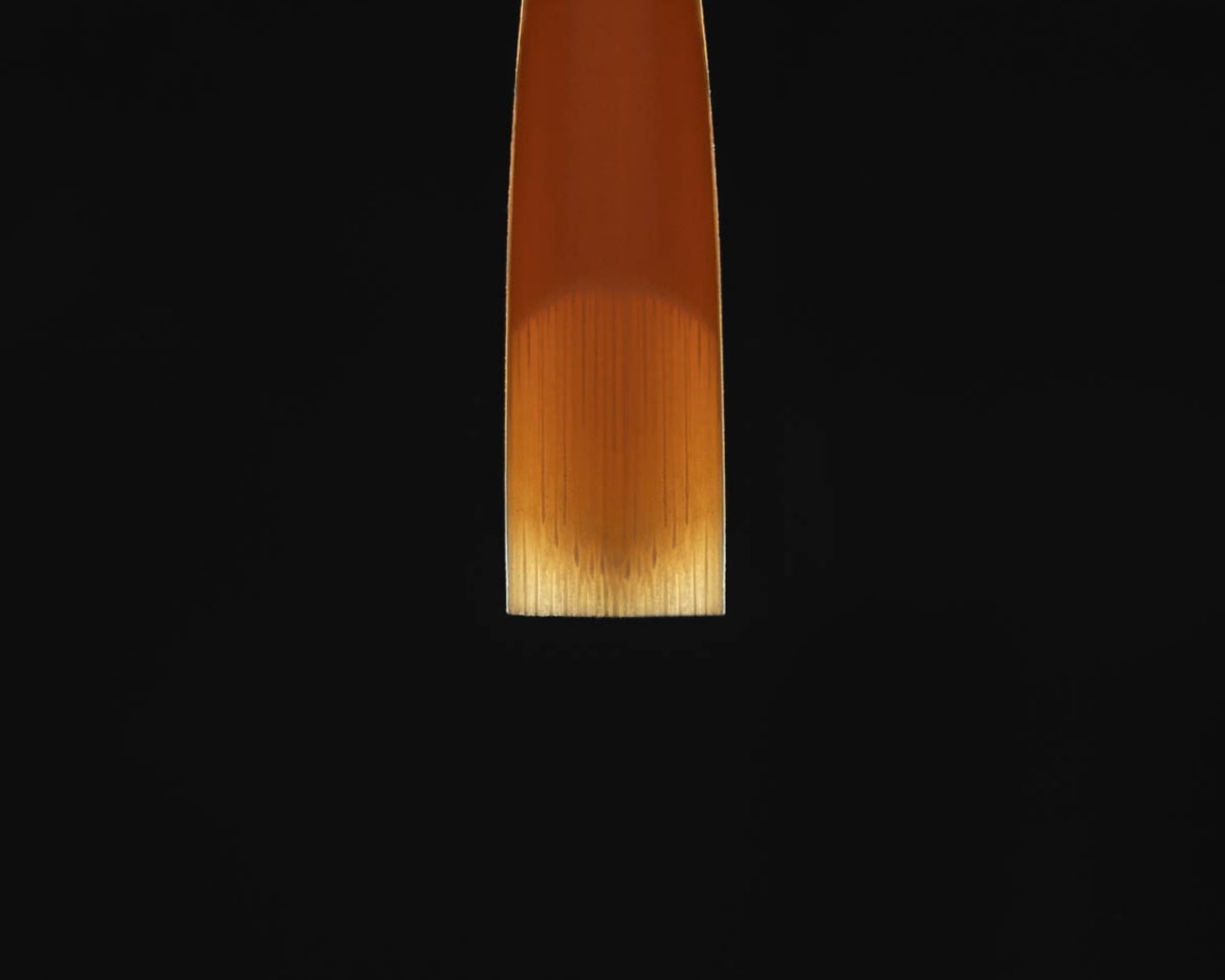
Less Spine
A less pronounced spine, more proportionate to the sides, tends to offer more projection and enhanced color to the sound, but generally requires greater embouchure control.
The Step
The transition from the tip to the heart directly influences how the tip vibrates, and therefore how we build our reeds.
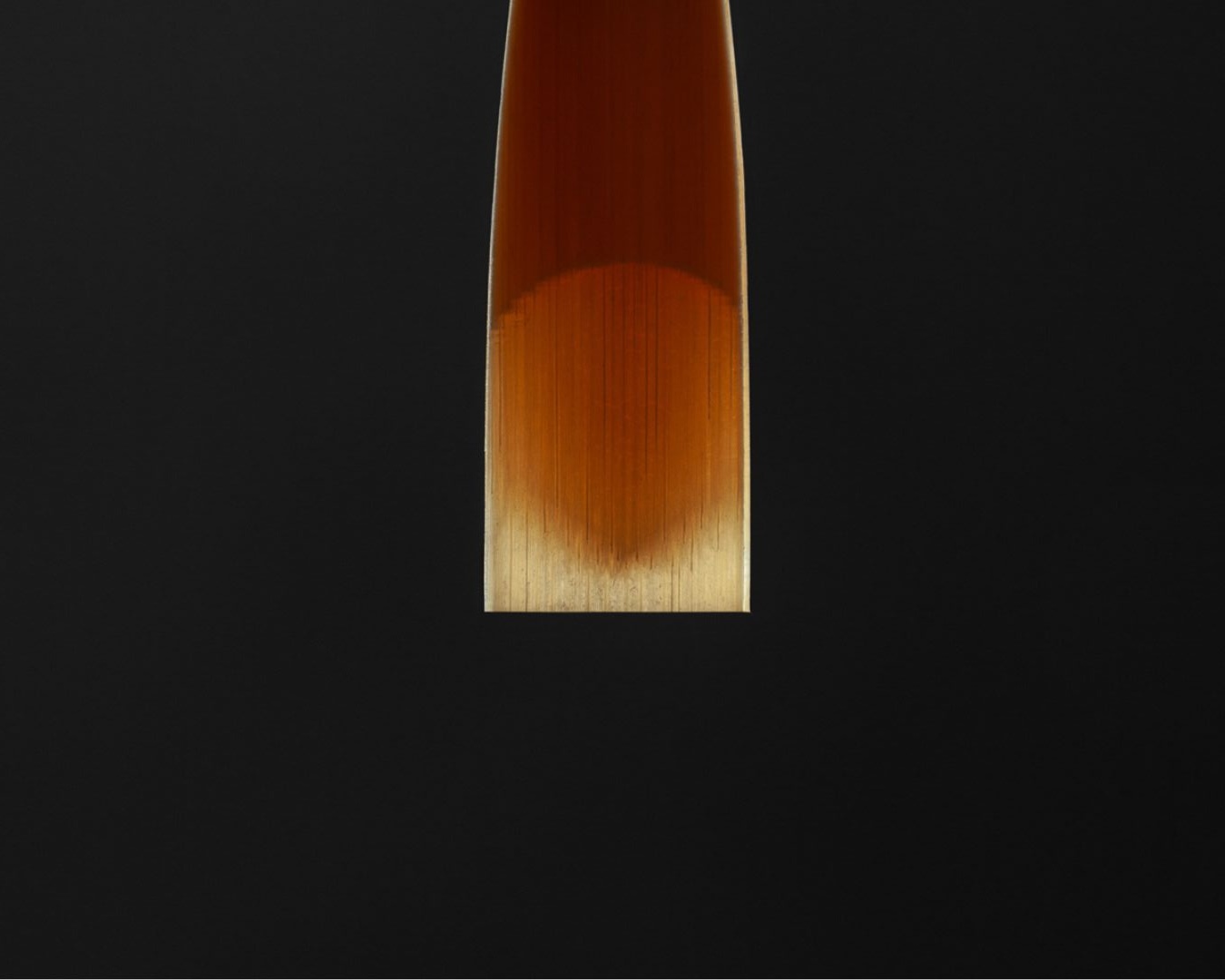
Hard Step
A harder step will dampen the vibration of the reed more, which requires a slightly longer tip in order to balance this control.
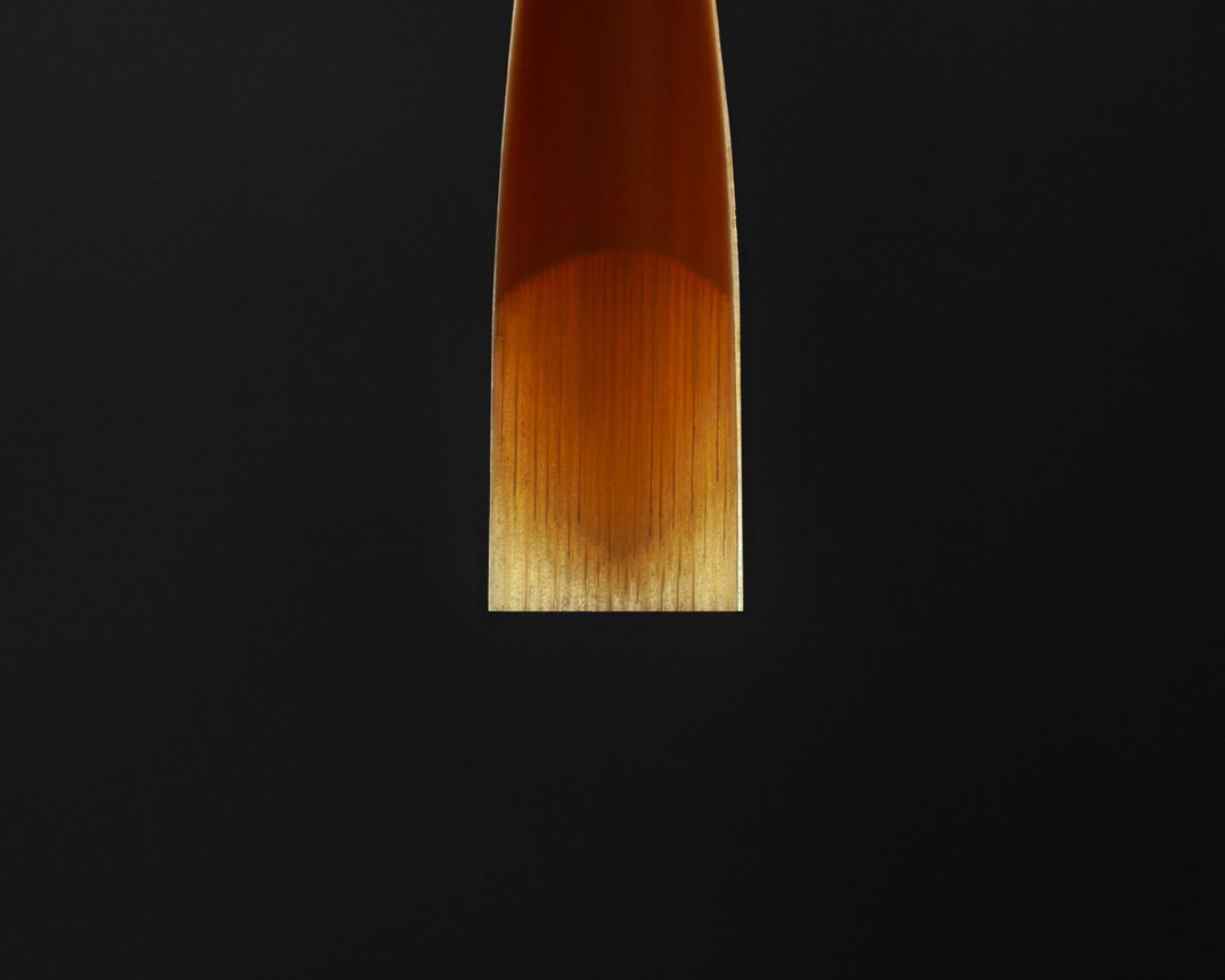
Soft Step
A smoother step allows for a more immediate articulation and will benefit from a slightly shorter tip.
The Scrape Limiter
Beyond determining the length of the central scrape, the scrape limiter also affects the thickness and consistency of the sides.

Standard
This will provide thinner sides to the reed, providing more comfort for the embouchure. This is ideal for more humid climates.

U5
This will provide thicker sides, leading to increased stability in the second octave. They are well-suited to dry climates, as the stronger sides help to keep the tip open.
There is no single "correct" template – only the one that best serves your instrument, your setup, and your musical voice. Understanding these design elements gives you the tools to make informed choices and refine your reeds with confidence.
2026年08月21日
Interview Oboe Guide